Students at Laurus Ryecroft Sixth Form were given a hands-on introduction to the future of sustainable construction and environmental design this week. Industry professionals joined the school to support the innovative Design Engineer Construct! (DEC) programme.
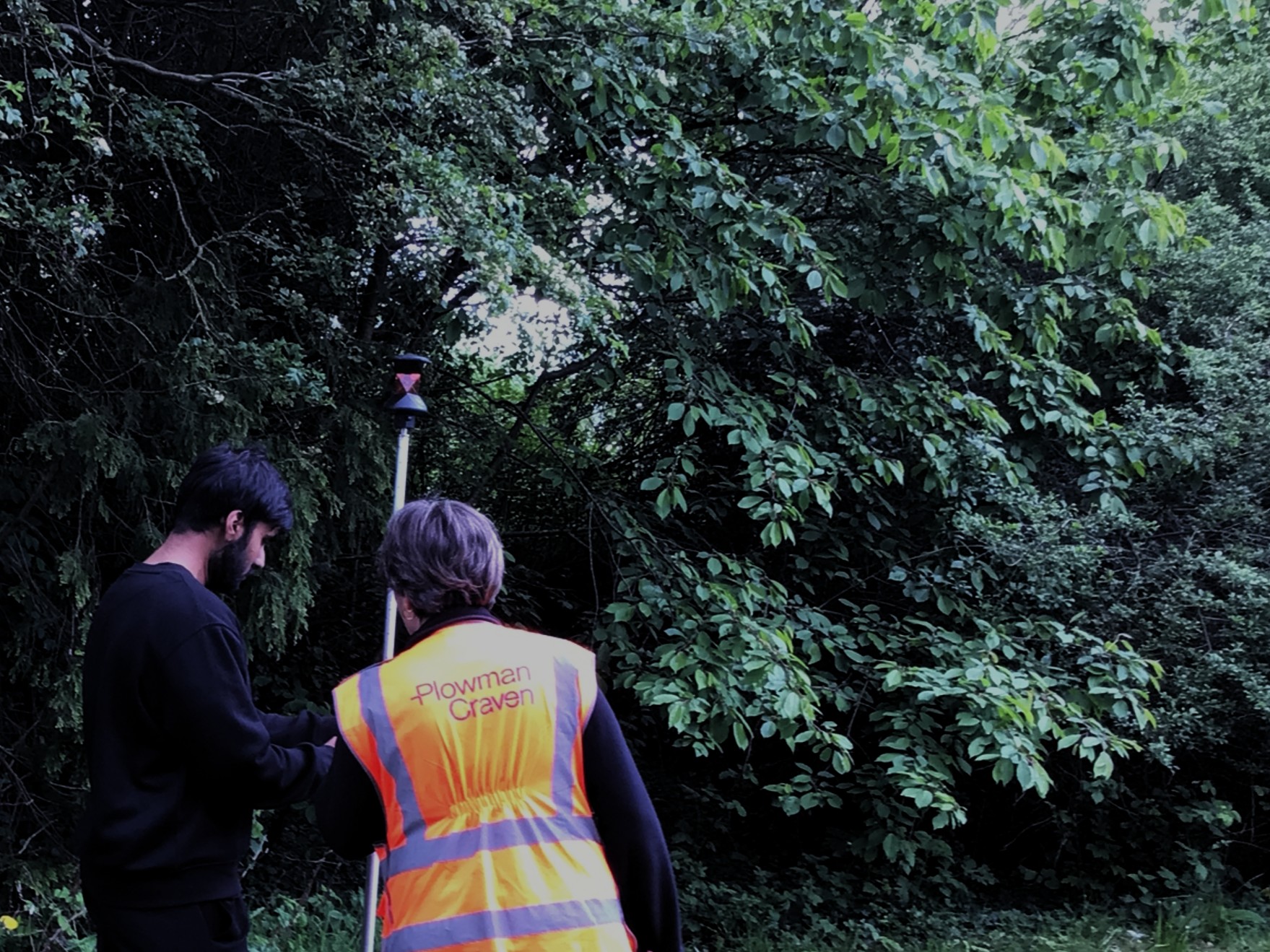
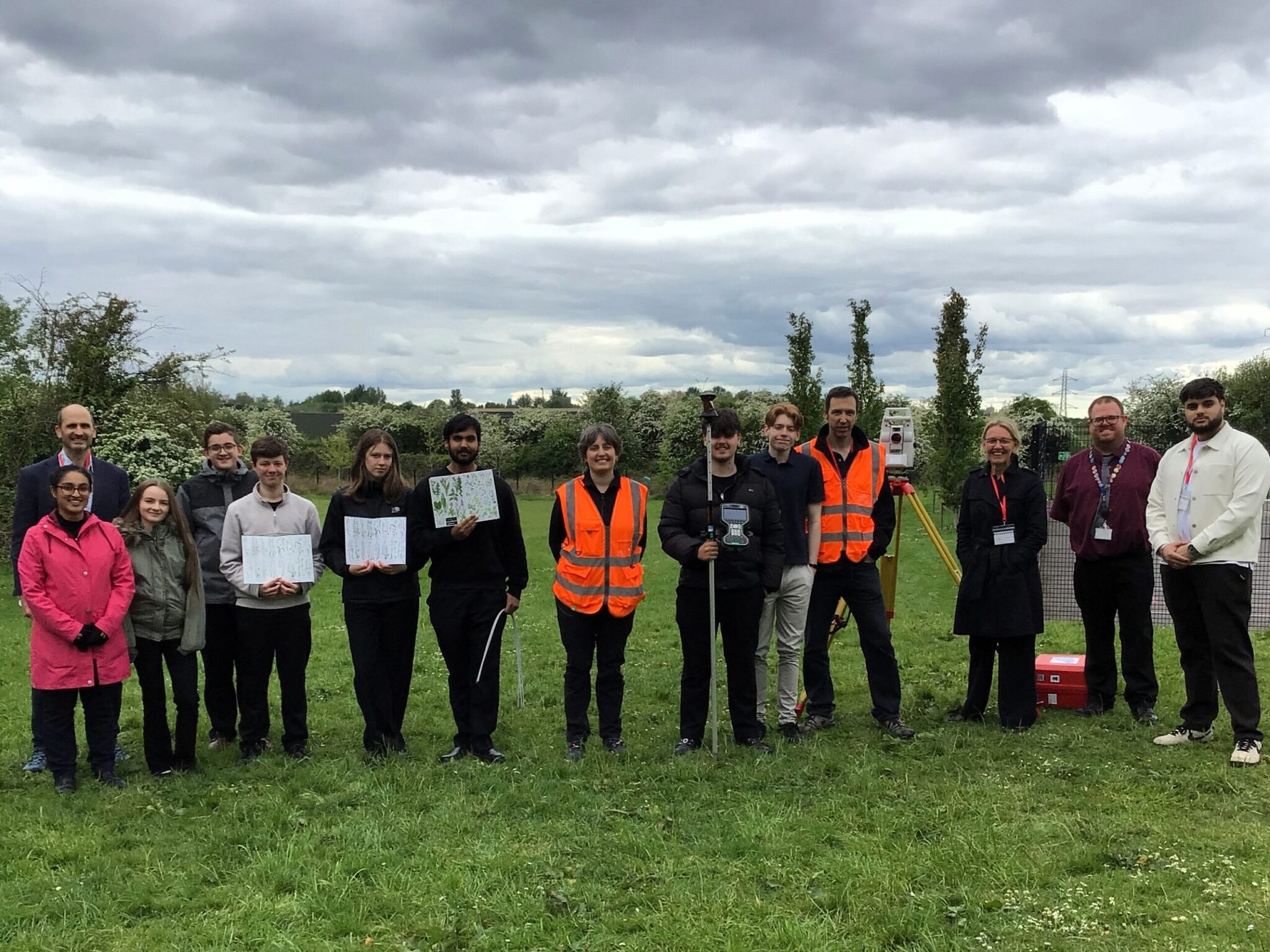
Representatives from Plowman Craven travelled to Manchester to work alongside students on a live topographical and ecology survey project. In doing so, they helped demonstrate how geospatial technology, biodiversity and environmental data can shape the future of the built environment.
Working with DEC founder Alison Watson MBE, Ross Macaulay, Head of Survey and Marianna Carcano, Learning & Development Specialist from Plowman Craven, joined ecology specialist Bob Edmonds of UKHab Ltd. Together, they guided Year 12 students through a detailed site survey across the school grounds.
The survey forms part of an ambitious student-led project to design a solar-powered Design Technology block. Here, sustainability and biodiversity are placed at the heart of the process.
Rather than simply learning theory in the classroom, students were immersed in the same real-world challenges faced by surveyors, environmental consultants and construction professionals every day. These challenges ranged from gathering accurate topographical data to understanding habitats, assessing biodiversity and considering carbon impact within the design process.
The project reflects the growing importance of geospatial surveying within sustainable development. In this field, accurate data collection plays a critical role in informing planning, design and environmental decision-making.
For Plowman Craven, supporting initiatives such as DEC is about more than education outreach. Instead, it is about helping young people understand the breadth of opportunities available within the modern built environment sector.
As technology continues to transform surveying and construction, careers increasingly sit at the intersection of digital innovation, environmental awareness and collaborative problem-solving. Moreover, by introducing students to geospatial surveying and ecological assessment at an early stage, programmes such as DEC help bridge the gap between education and industry. At the same time, they inspire the next generation of talent.
The students at Laurus Ryecroft explored how topographical surveys provide the baseline information needed to support future design and construction decisions. Meanwhile, ecology surveys help identify opportunities to protect and enhance biodiversity across a site.
Over the coming weeks, students will begin processing the data gathered during the visit. They will learn how digital survey information can be integrated into design workflows and visualisation software including Cesium. Additionally, they will also explore how sustainable solutions can improve biodiversity and environmental performance across the proposed development.
The collaborative nature of the project highlights the value of industry professionals working directly alongside educators to bring learning to life. Through partnerships like these, students gain practical experience, exposure to emerging technologies and a clearer understanding of the careers shaping the future of construction, surveying and environmental services.

The visit also reflected the wider ethos of the DEC programme, created by Alison Watson MBE through Class Of Your Own. This ethos encourages young people to develop skills in critical thinking, collaboration, communication and sustainability through project-based learning.
For the team from Plowman Craven, the day was made even more memorable by the enthusiasm and engagement shown by both students and staff at Laurus Ryecroft.
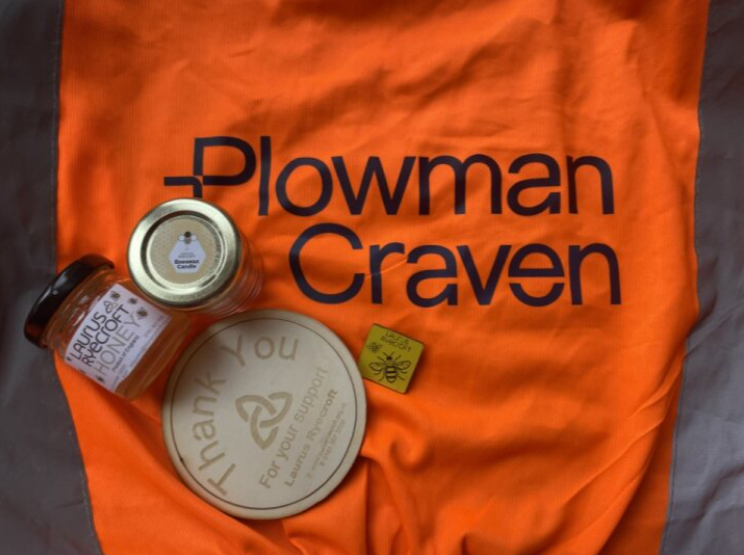
And in a thoughtful touch that perfectly reflected the project’s environmental focus, the team were gifted honey produced from the school’s own beehives. This was a small but meaningful reminder of the importance of protecting and nurturing the natural world alongside future development.
As the construction and surveying sectors continue evolving towards more sustainable and data-driven approaches, projects like this demonstrate the vital role education and industry partnerships play in preparing future generations for the challenges ahead.
The future of the built environment is increasingly digital, collaborative and environmentally conscious, and at Laurus Ryecroft, students are already beginning to shape it.