Insight article by Anna Tyrna-Lacorte, Senior Project Manager in Digital Construction
Developments related to the Metro Line:
Few cities present the engineering challenge of Rome, especially when it comes to constructing a new Metro Line.
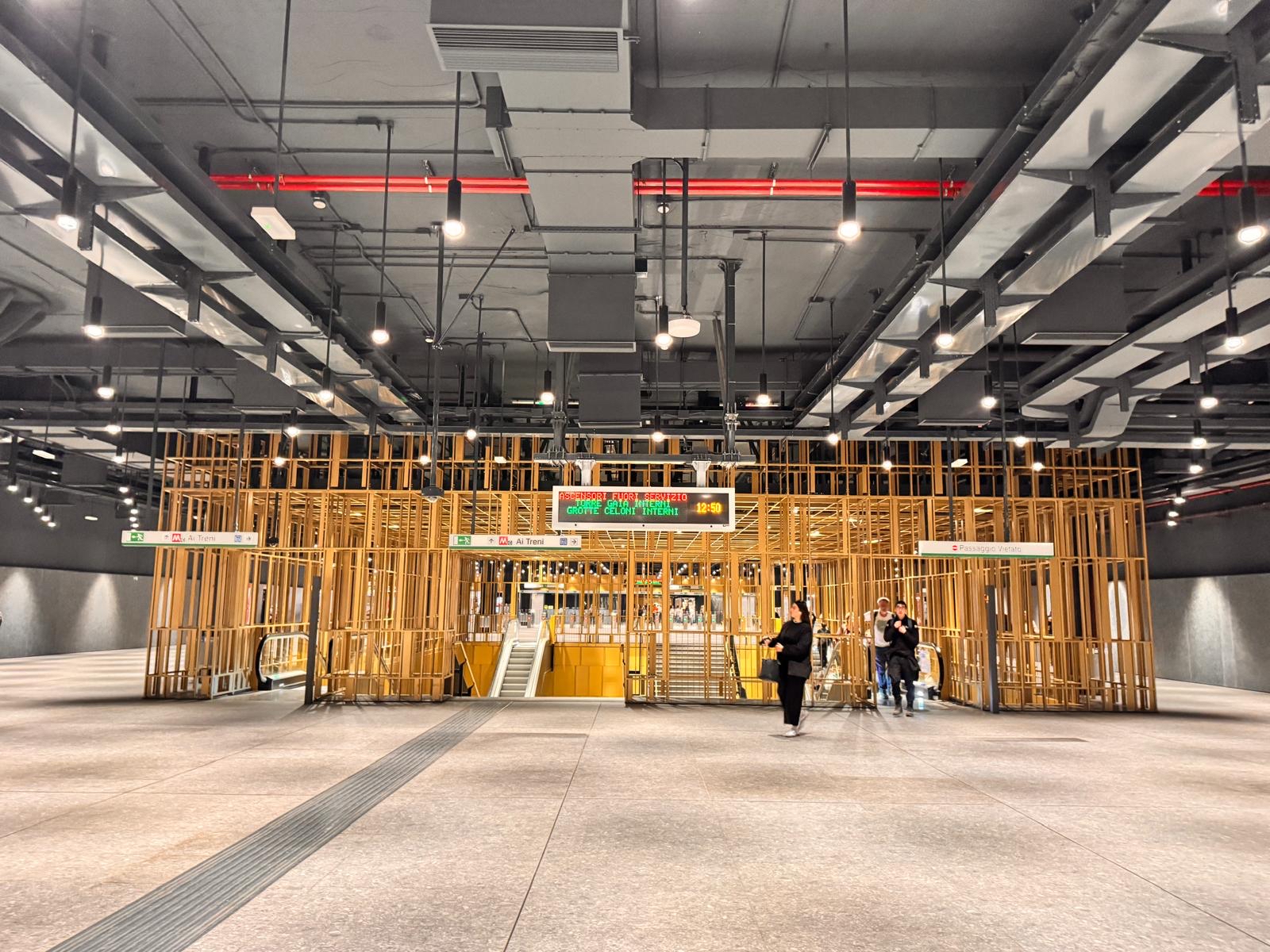
Every excavation has the potential to uncover another layer of history, and nowhere is that more evident than the newly opened Metro Line C extension at Colosseo–Fori Imperiali Station, beside the world-famous Colosseum.
Opened to the public in December 2025, the new station is far more than a transport hub. It is a remarkable example of how innovative design, digital construction and modern infrastructure can successfully integrate with one of the world’s most significant archaeological landscapes. The station officially opened on 16 December 2025, alongside Porta Metronia, extending Rome’s first fully driverless metro line into the historic heart of the city.
Twenty Years of Construction – and Discovery
Metro Line C has been in development for more than two decades, with progress slowed not by engineering capability, but by the extraordinary archaeology lying beneath the surface.
As tunnelling advanced, construction teams uncovered ancient wells, Roman homes, thermal baths, military barracks, frescoes and countless everyday artefacts dating back thousands of years, all while working on the Metro Line project. Near the Colosseum station alone, excavations revealed 28 ancient wells and the remains of first-century Roman dwellings. At nearby Porta Metronia, a second-century military barracks and richly decorated interiors were discovered and preserved.
Rather than treating these discoveries as obstacles, the project embraced them as part of the unique Metro Line experience in Rome.
The result is what many are now calling a “museum station” a public transport space where commuters and visitors move through layers of Roman history as part of their daily journey.
Infrastructure Meets Cultural Heritage
For those of us working in digital construction, surveying and rail delivery, this project is a powerful example of what can be achieved when precision engineering and heritage preservation work together on something as ambitious as a Metro Line.
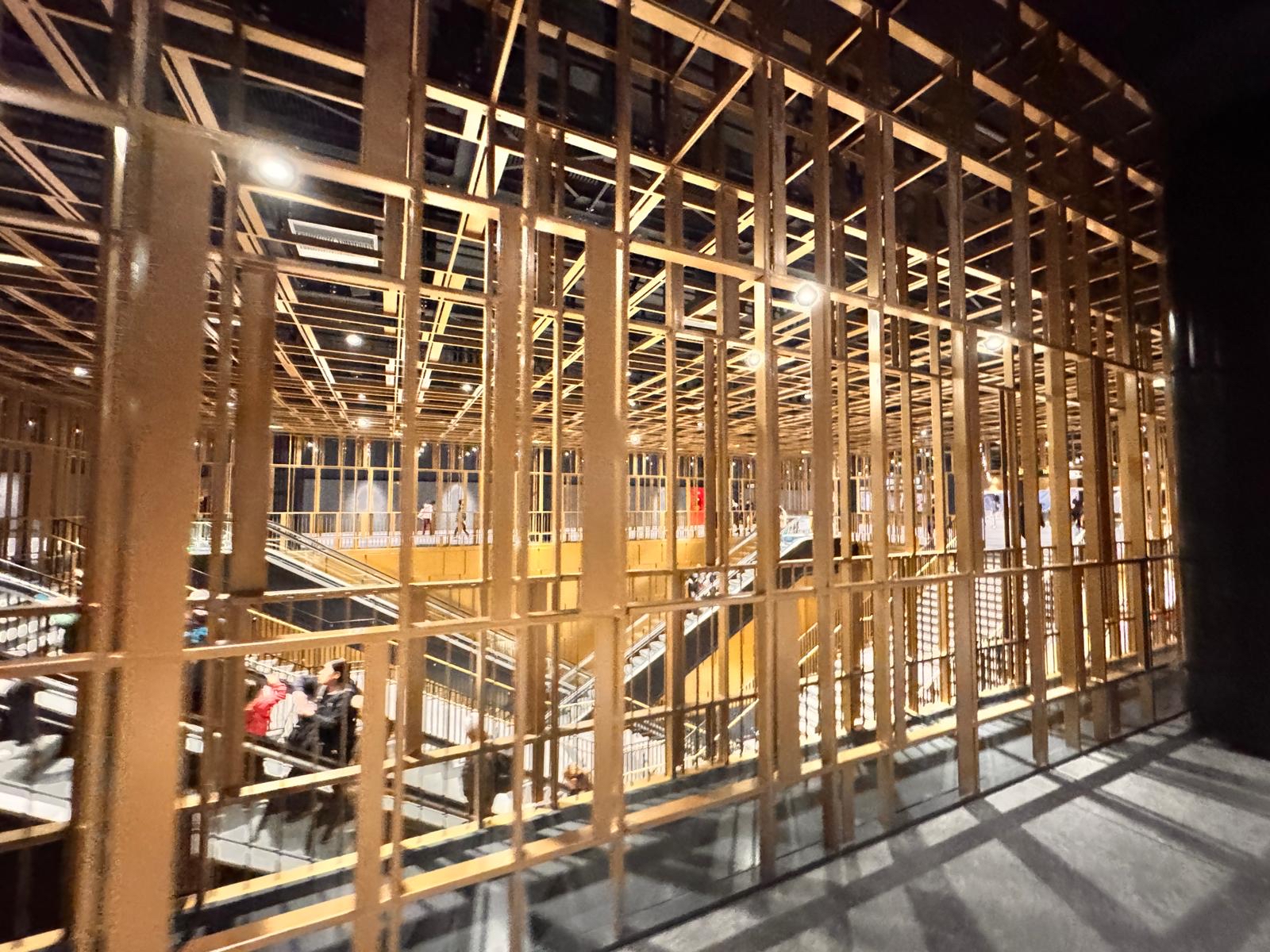
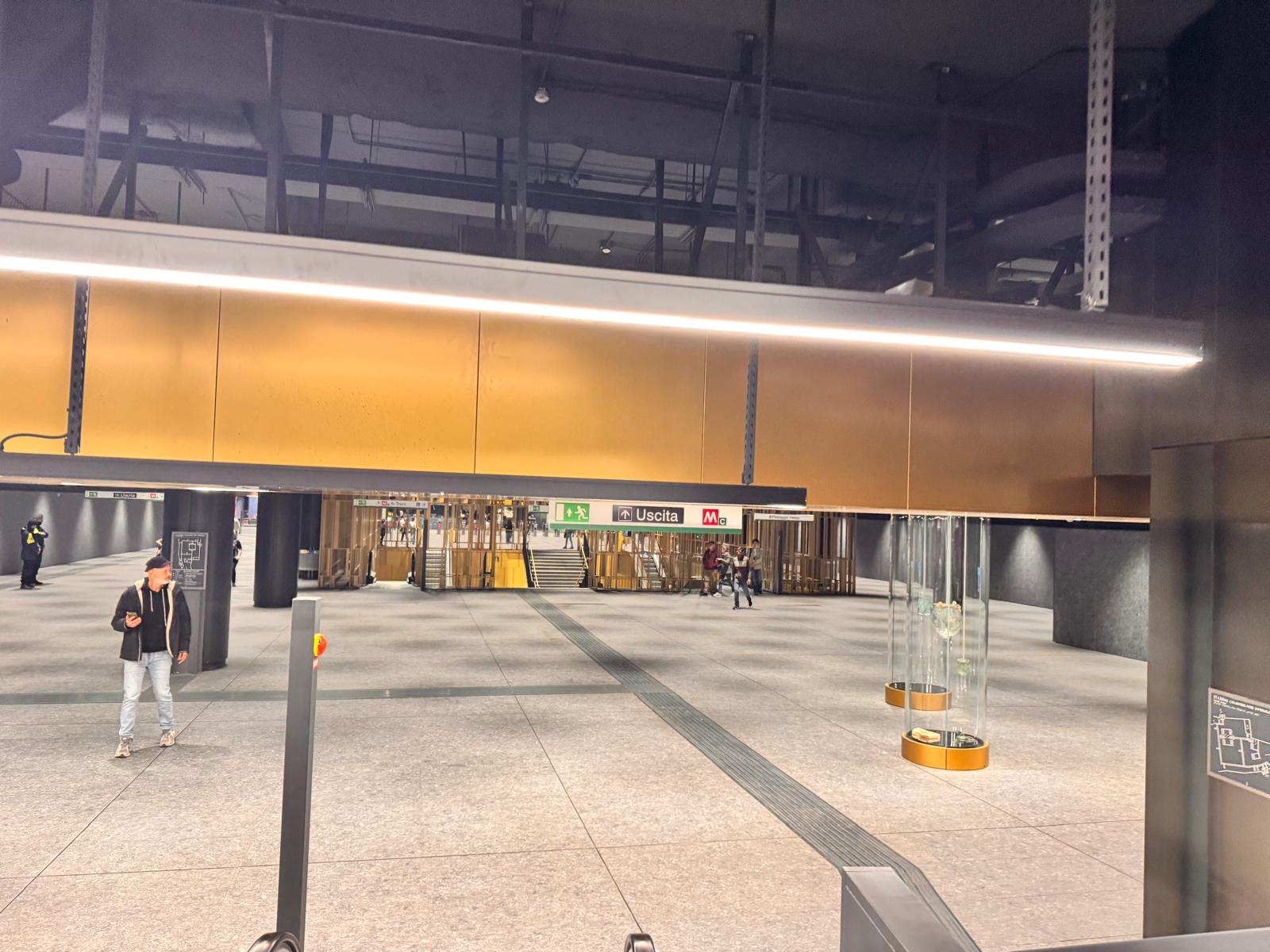
The Colosseo–Fori Imperiali station demonstrates how infrastructure can enhance, rather than compromise, the built environment around it. Advanced driverless transport technology now operates beneath some of the most sensitive and historically important ground in the world, while the station itself showcases the archaeological discoveries made during construction of Rome’s Metro Line.
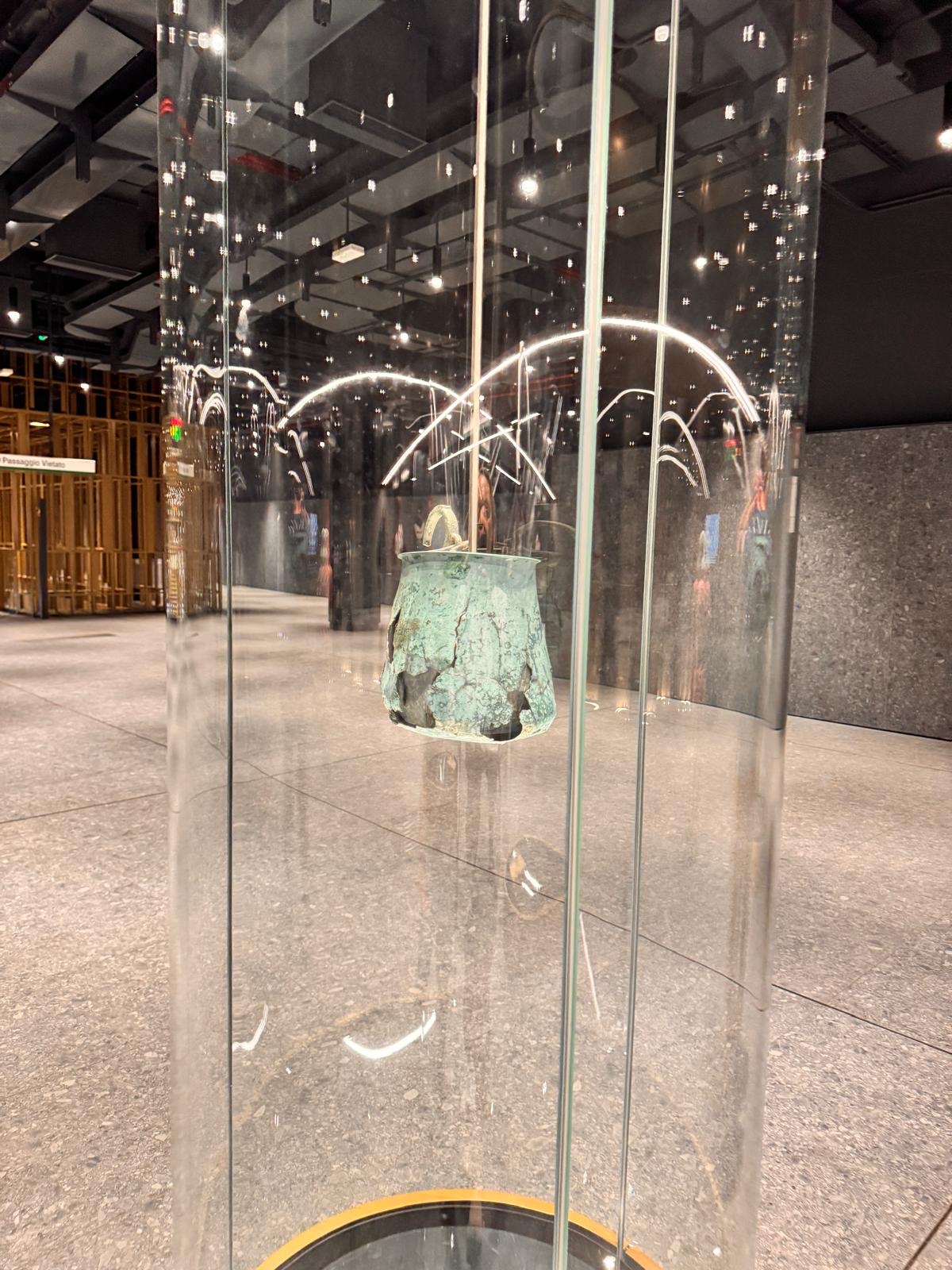
Screens display the excavation process, artefacts are presented throughout the station, and the architecture has been carefully designed to preserve the surrounding monumental landscape. It is both a metro station and a public museum and that balance is what makes it exceptional, especially in Metro Line developments.
Why This Matters for the Industry
Projects like this reflect the future of infrastructure delivery, especially for anyone involved in metro line construction.
At Plowman Craven, we understand that successful rail and infrastructure projects are not only about speed and efficiency, they are about accuracy, context and long-term value. Whether working in active rail environments, complex urban sites or heritage-sensitive locations, digital surveying and construction intelligence are critical to reducing risk and enabling informed decisions on any Metro Line.
Rome’s Metro Line C is a perfect demonstration of that principle: modern transport designed around the reality of place, not imposed upon it.
It proves that progress does not have to come at the expense of heritage.
In fact, when delivered well, it can reveal and celebrate it. Rome’s Metro Line achieves that balance beautifully.
A Station Worth Visiting
Visiting the site is a reminder that infrastructure can inspire, particularly when it transforms an ordinary metro line into an extraordinary journey through history.
Standing inside the station, surrounded by artefacts uncovered during the works, it becomes clear that this is not simply another metro stop. It is a living example of engineering respecting history and using design to tell that story along the Metro Line.
For surveyors, project managers and rail professionals alike, it is a fascinating case study in how digital construction can support some of the most challenging environments on earth, especially those encountered on a Metro Line project.
Rome has not just built a metro station; it has completed another milestone in the city’s Metro Line evolution. It has built a connection between past and future, made possible through the expansion of the Metro Line.