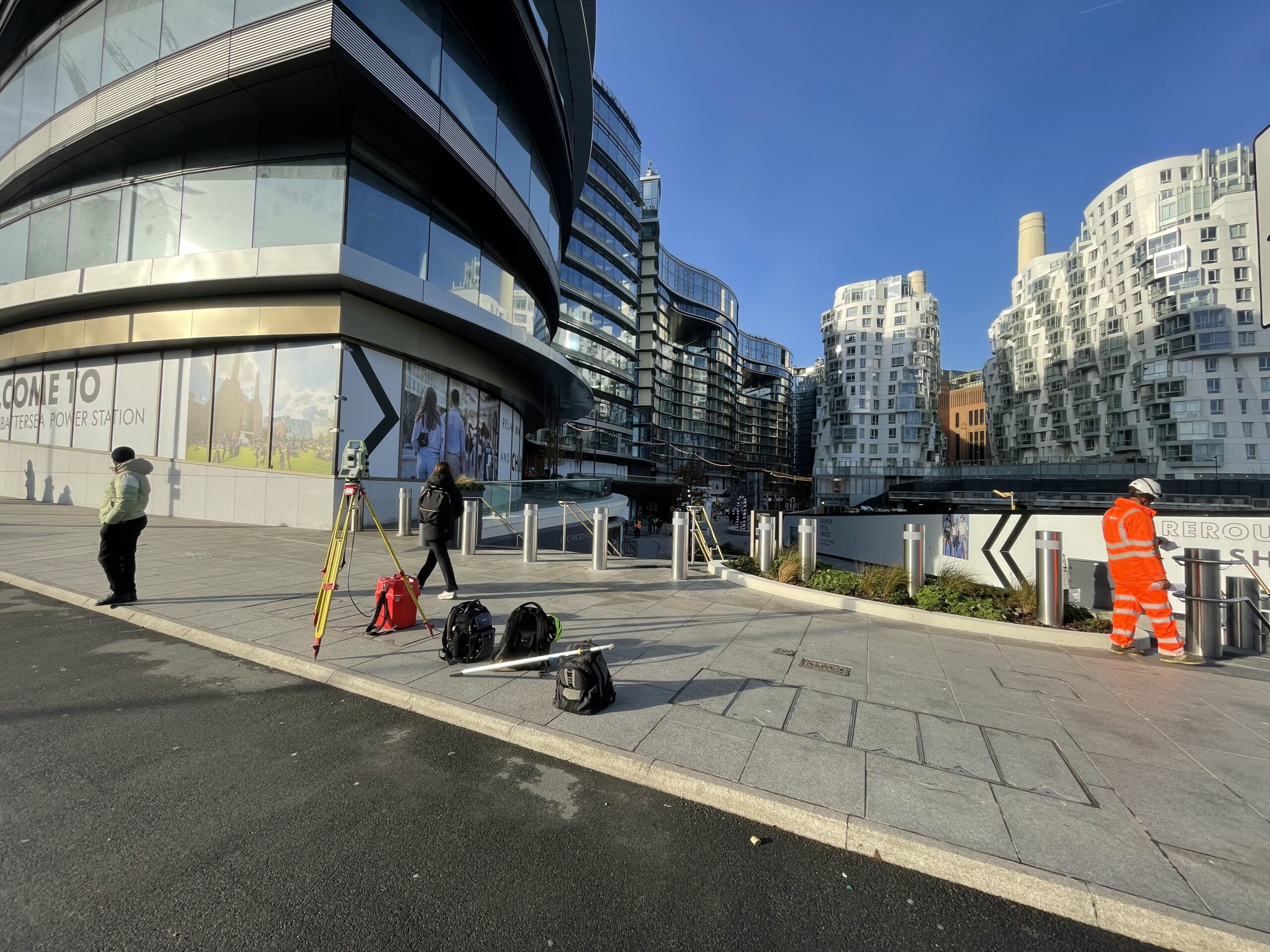
A landmark surveying project supporting the restoration of the Grade II* listed Battersea Power Station and the regeneration of its surrounding 42-acre riverside site. Combining digital precision with heritage conservation, the project is transforming an iconic London landmark into a vibrant mixed-use destination, creating thousands of jobs and long-term economic growth.
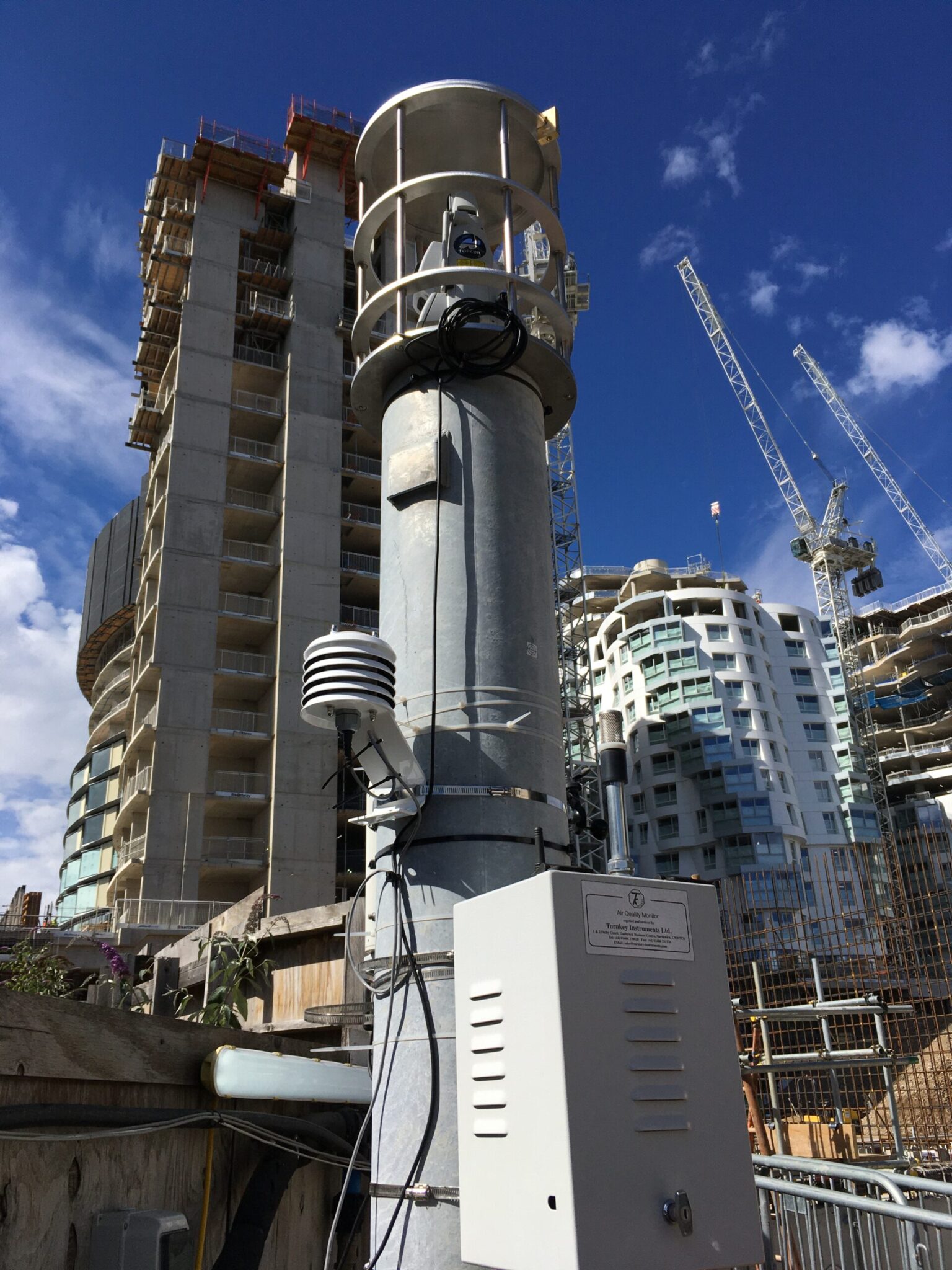
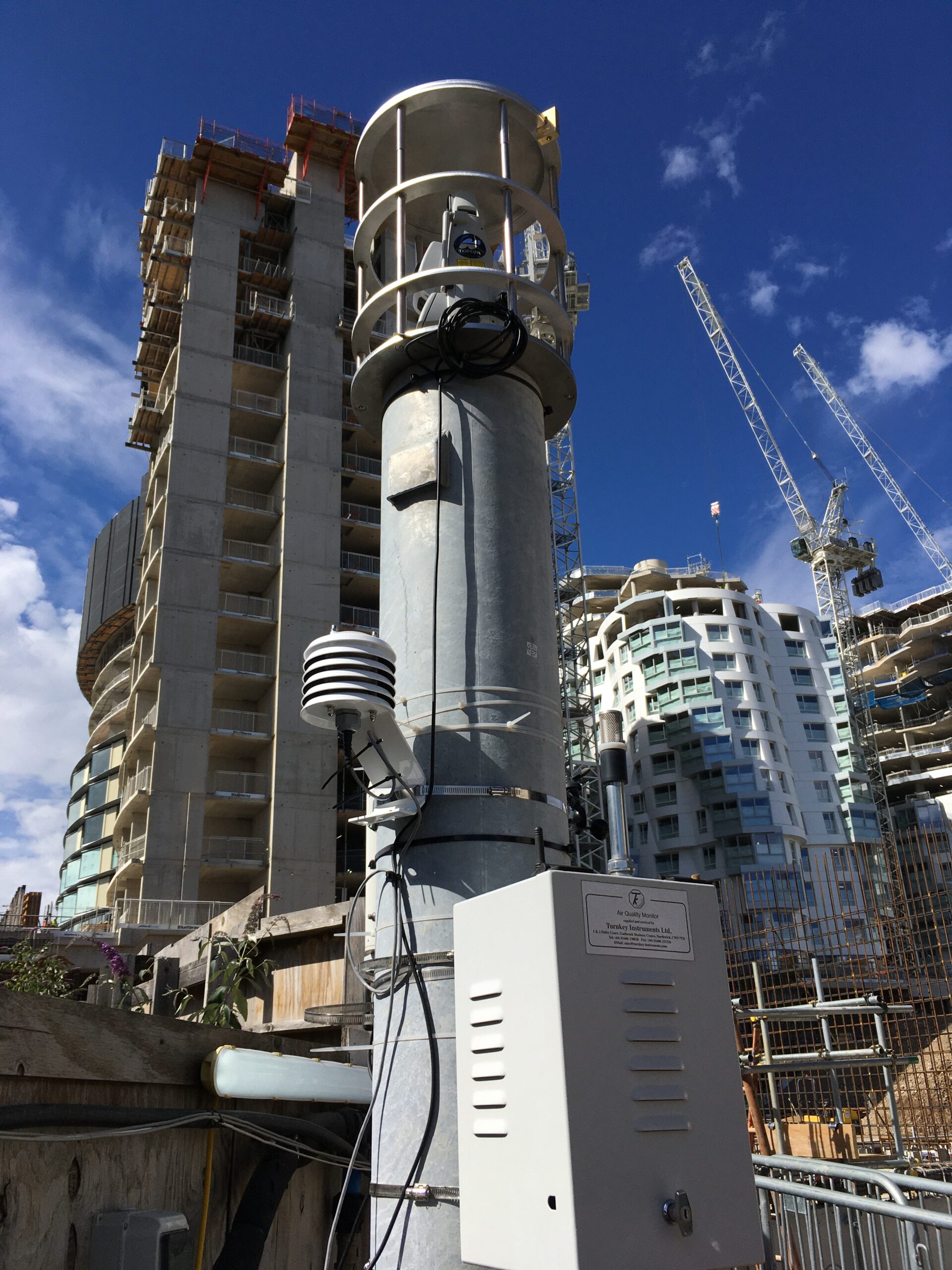
The project is surrounded by infrastructure serving southwest London, with the River Thames to the north, Network Rail assets to the west and the newly constructed TfL station beneath Phases 3B and 3C to the south. Complex monitoring systems, often automated, were required to detect movement caused by the works early and support timely mitigation, allowing adjacent infrastructure to continue operating throughout the development. We worked closely with Robert Bird Group to ensure a comprehensive monitoring scheme was installed that protected all parties involved.
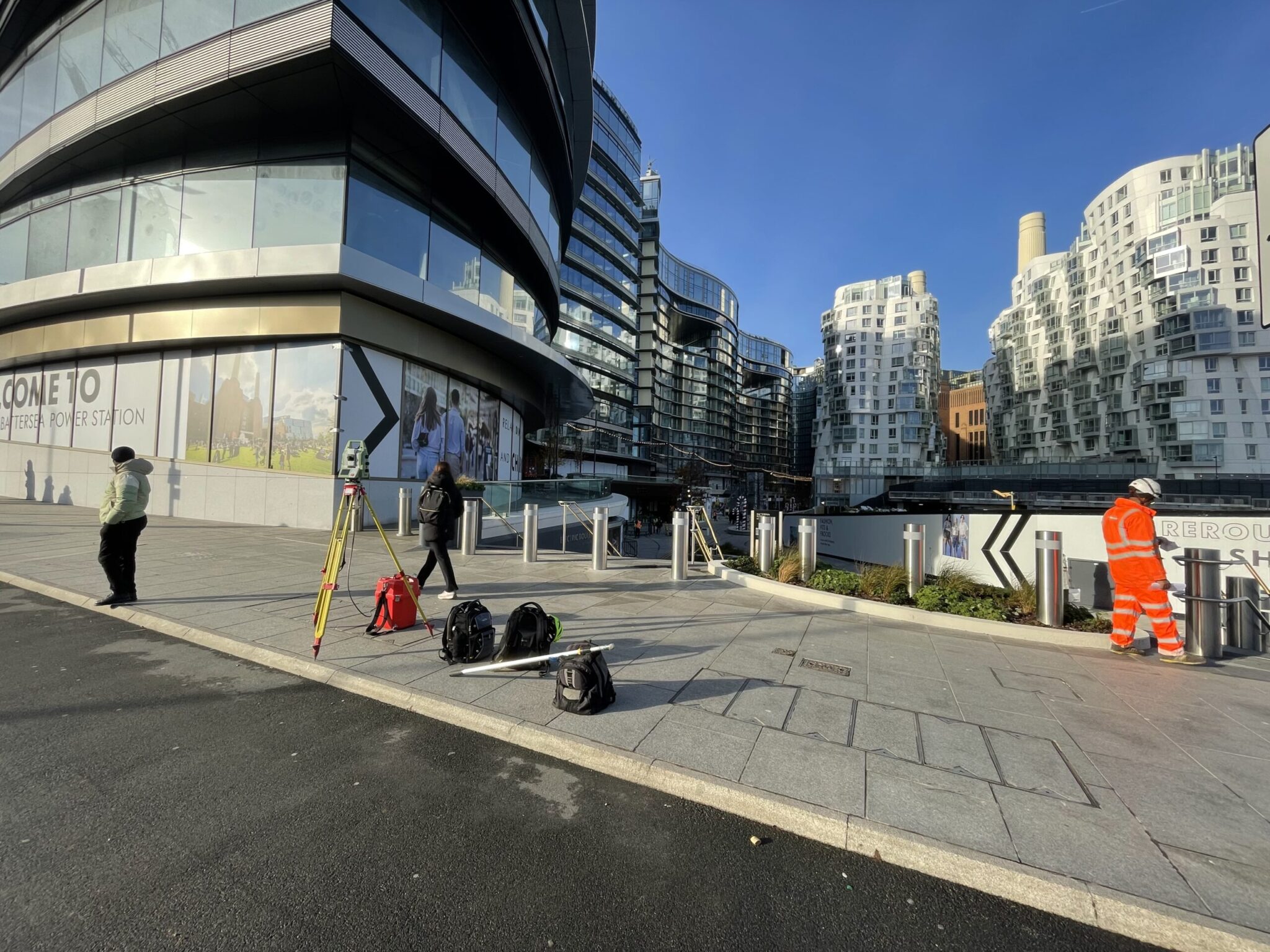
Plowman Craven’s Smart monitoring division have been on site since 2017 and have provided a wide range of services to the project. Initially on Phase 3A, the team provided Automated 3D track and infrastructure monitoring to the Network Rail assets to the west of the site. This provided near real-time assessment of any movements and their likely causes.
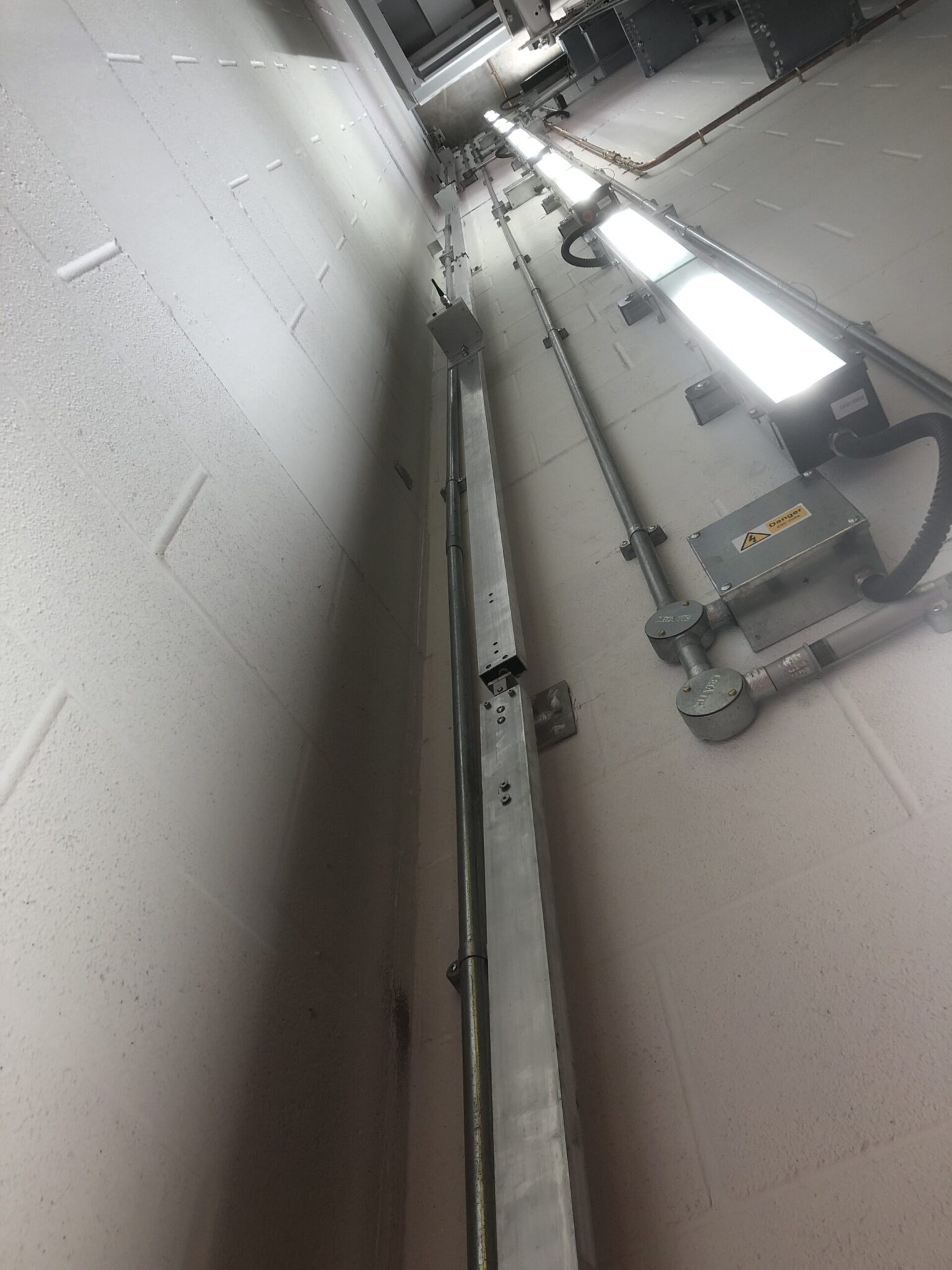
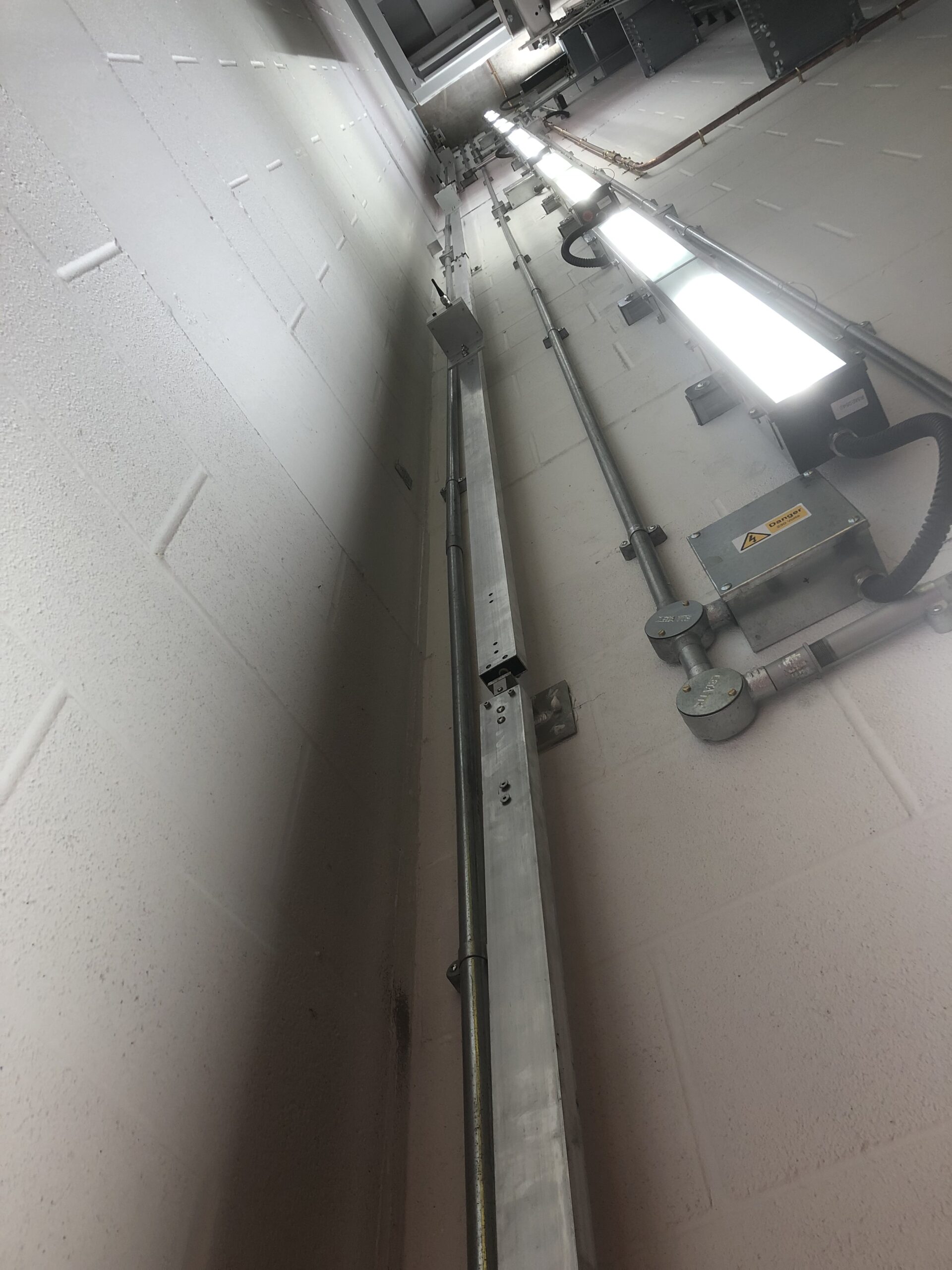
Over the years as our strong relationship with Battersea grew, the teams remit has expanded, with automated and manual monitoring solutions provided for Phase 3B, Phase 3C and Prospect Park South. This included the following services in the new Underground station
In addition to the above, team also provided following services to the construction sites
Despite the project experiencing movement both within site and on the adjacent sensitive assets, due to the combination of automated and manual monitoring and the proactive approach of the team the site was able to continue working through any movement. This allowed the projects to stay on programme and hit the necessary milestones.
Continuous monitoring safeguarded against both viaduct and the new underground station experiencing track or structure failure.
The team brought a large amount of experience to the project and would regularly attend key stakeholder meetings. This ensured that data could be interrogated in a meaningful way, at regular intervals, with the people who mattered.
Since 2017, the monitoring has remained fully operational in various guises and has supported key phases of the development.
This has included multiple periods of piling and excavation, including excavation immediately adjacent to the new underground station box. This has ensured that the project has hit key milestones over the years and will continue to do so for many years to come.