UAS Rail Corridor Survey

Delivering a survey-grade, high-resolution 3D dataset using UAS photogrammetry and LiDAR to safely capture a complex, live rail corridor on the TFL network.

Reducing on-track risk while delivering high-resolution corridor data

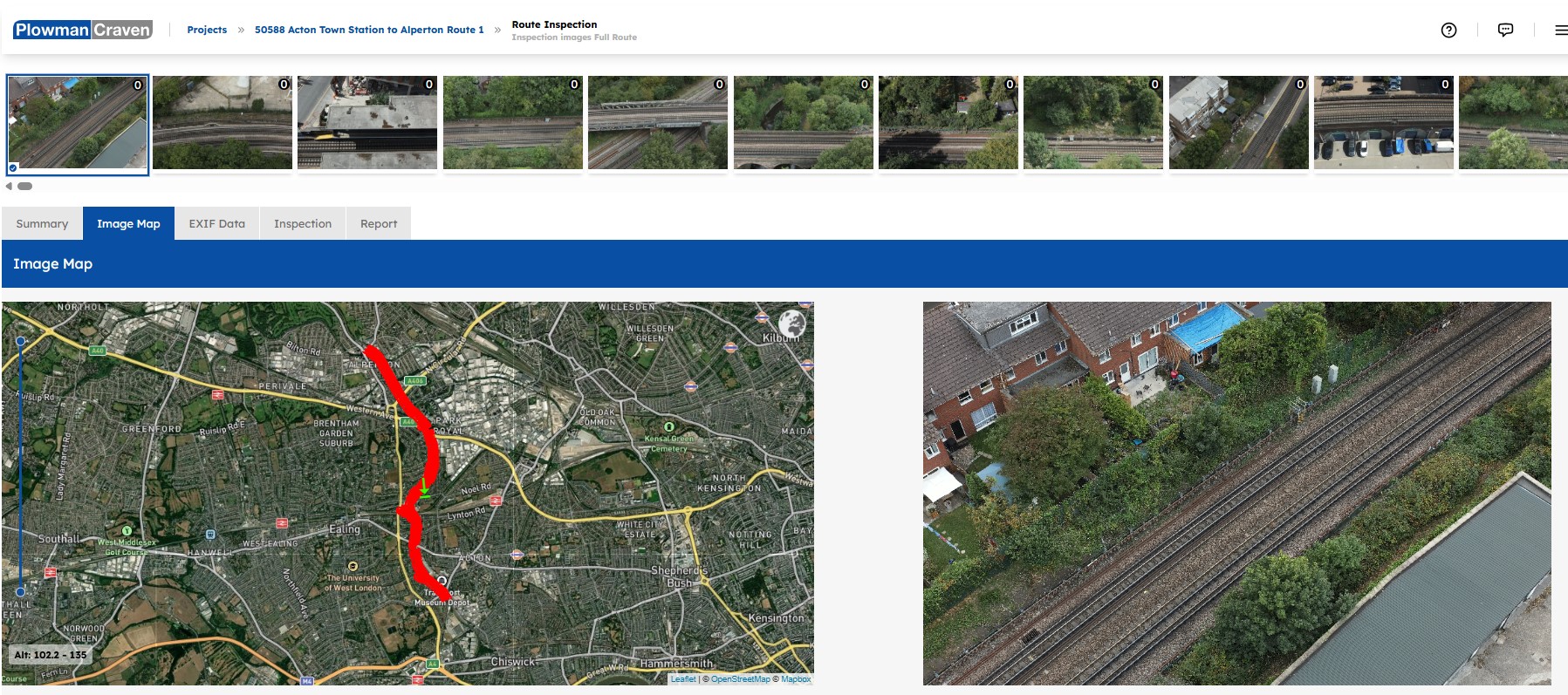
A UAS corridor survey was commissioned to capture a 4 km section of operational rail infrastructure on the TFL Network. The route runs through a dense urban environment and includes stations, platforms, bridges, trackside assets, retaining structures and constrained interfaces with surrounding infrastructure.

The requirement was for a corridor-wide, survey-grade 3D dataset that would enable confident engineering assessment and digital design, while keeping on-track access and operational disruption to an absolute minimum.

Client challenge.

Surveying an active rail corridor presented a combination of technical, safety and logistical constraints:

  • Live railway operations with strict access, safety and possession controls
  • Limited opportunity for prolonged boots-on-ballast working
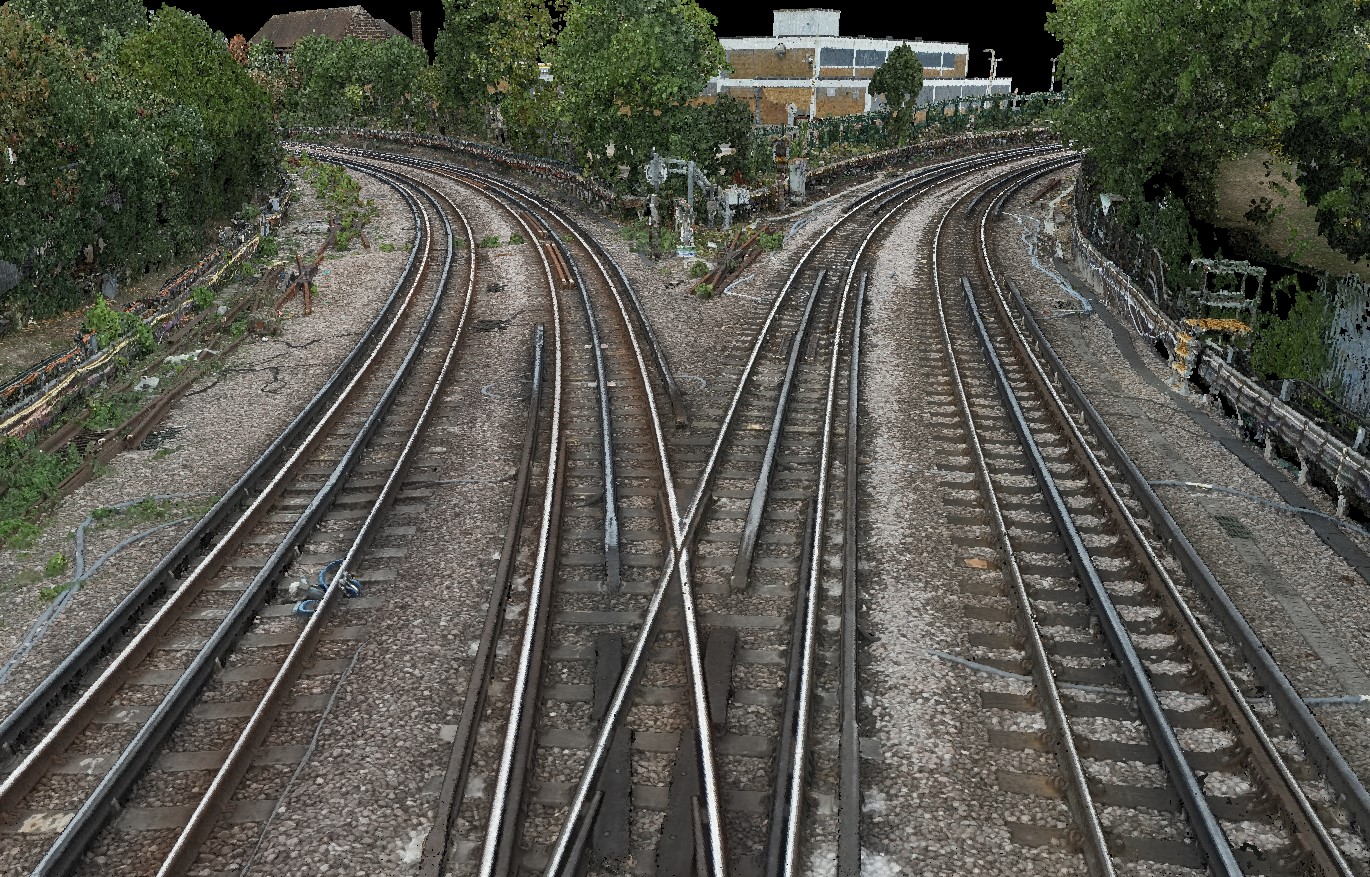
  • Complex geometry including platforms, canopies, bridges, switches and crossings
  • Constrained and complex urban airspace
  • Requirement for consistent accuracy across a linear asset
  • Need for data suitable for digital engineering and visual inspection


A conventional ground-based approach would have required multiple possessions, extended access planning and increased safety risk.

Our
solution.

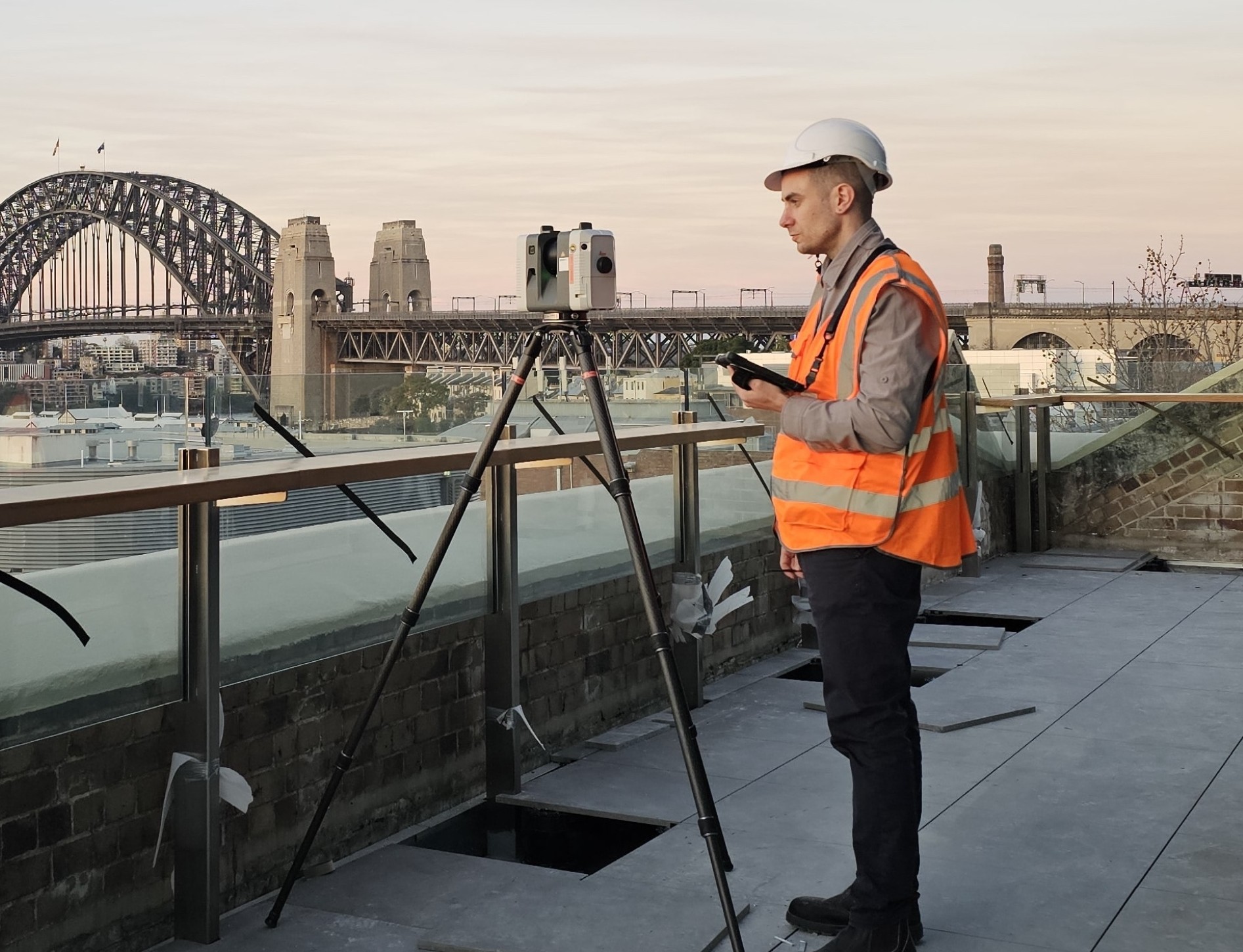
A UAS photogrammetry and LiDAR survey was delivered using a fully integrated, survey-grade workflow tailored for live rail environments.

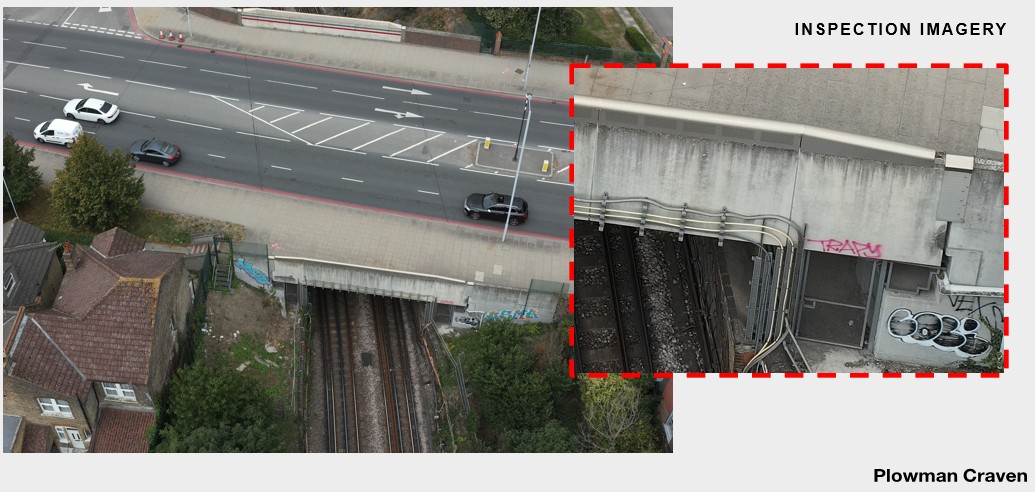
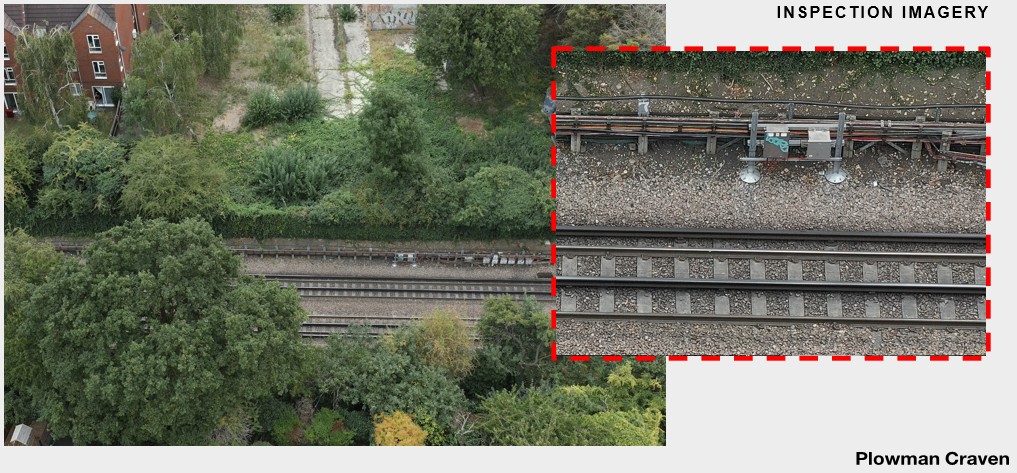
Using the TFL ‘Plant Approved’ operational status that Plowman Craven has gained through detailed safety analysis and documentation, our survey team conducted controlled flight operations alongside the operational railway. High-resolution nadir and oblique imagery was captured to enable continuous corridor coverage without the need for extended possessions or service disruption.

The approach combined aerial capture, survey control and processing within a single methodology:

  • Client-led inspection routines focused on defined areas of interest
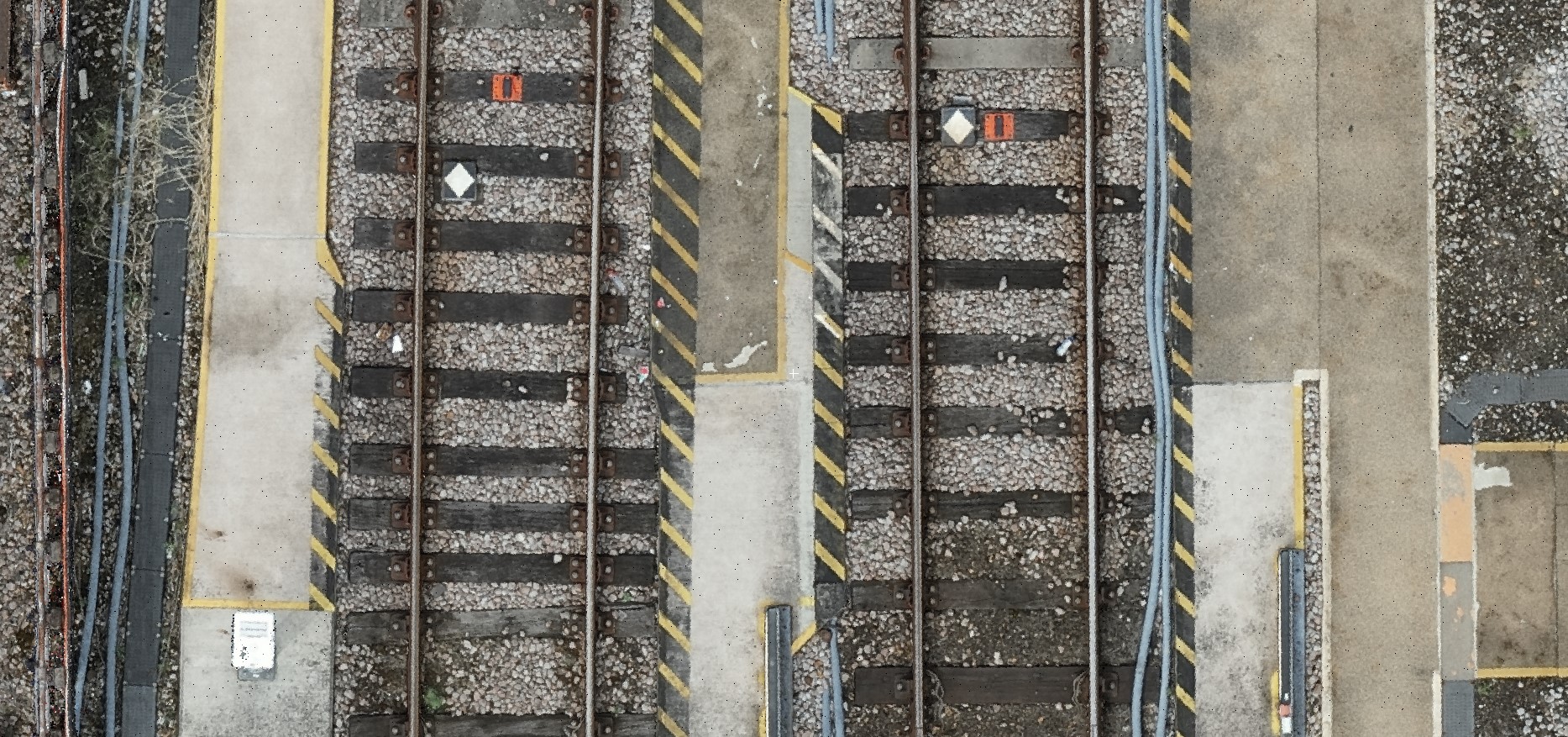
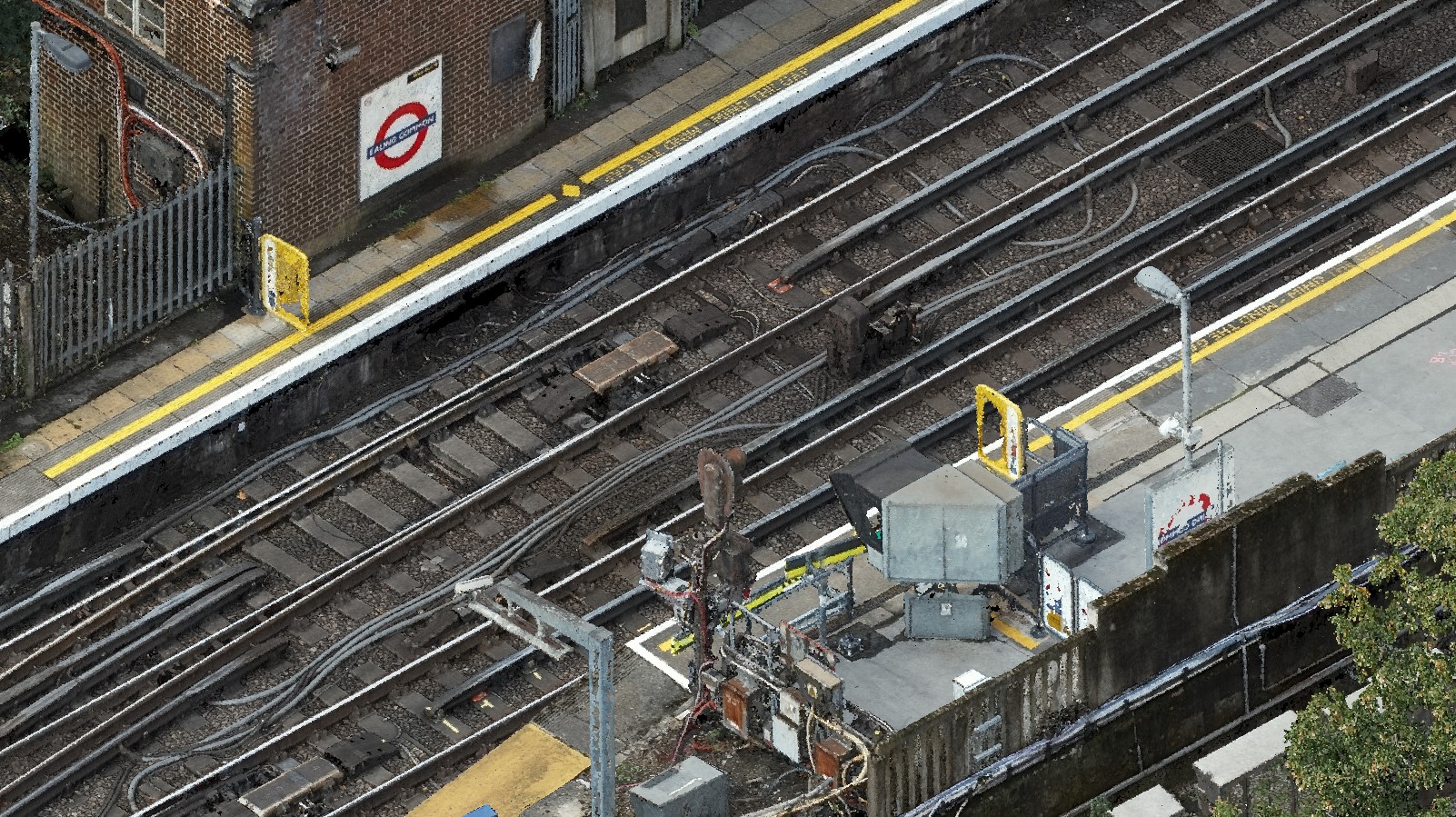
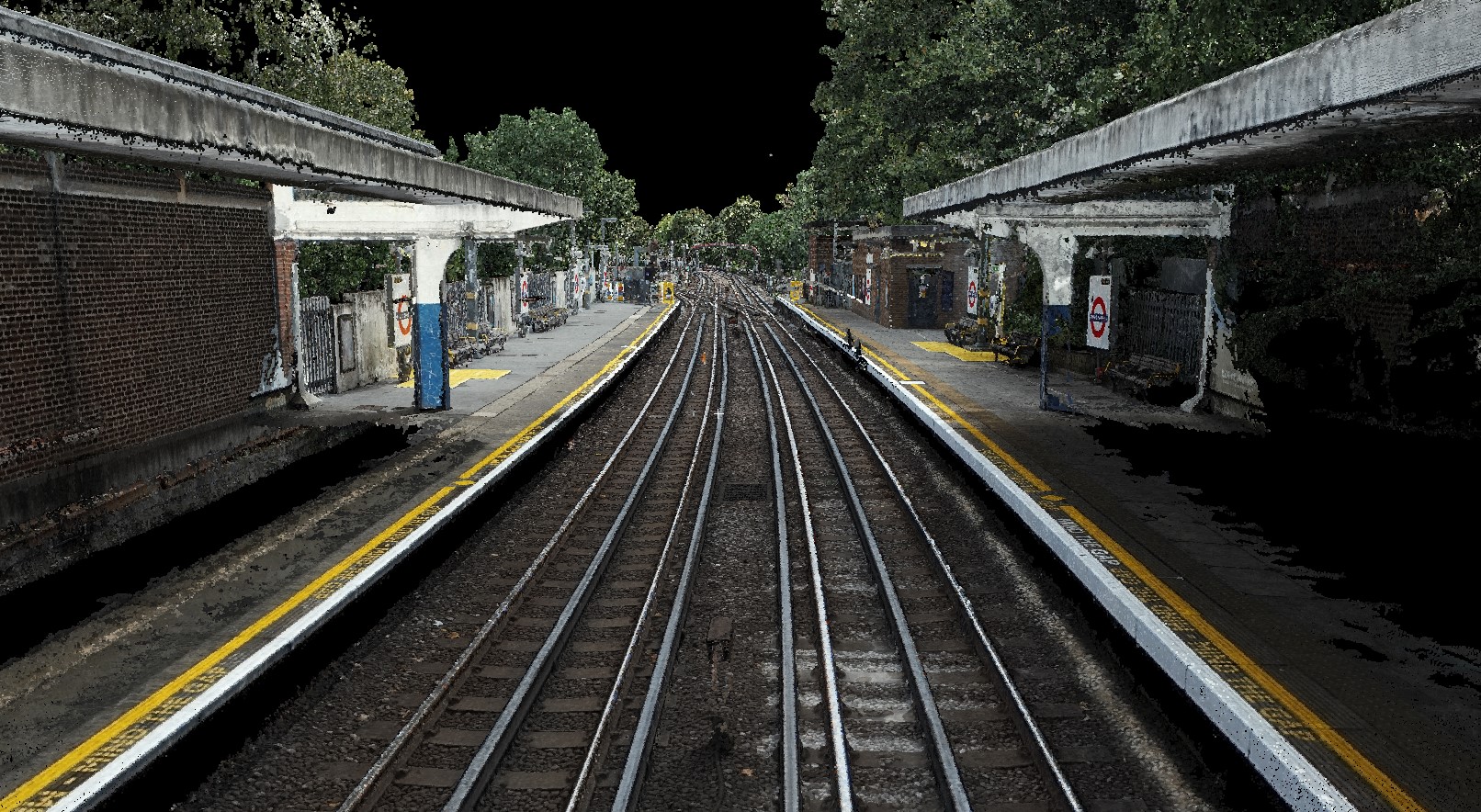
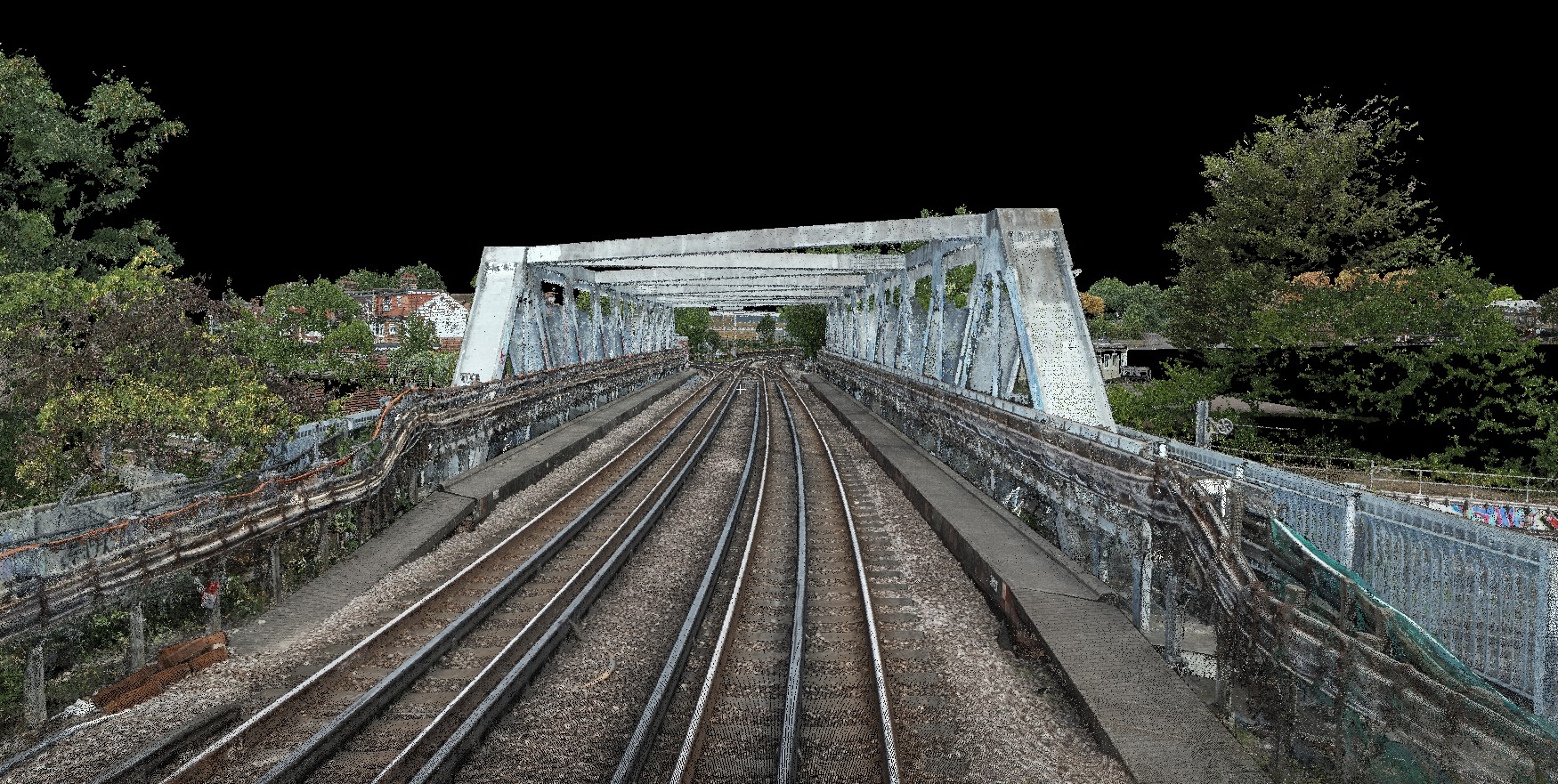
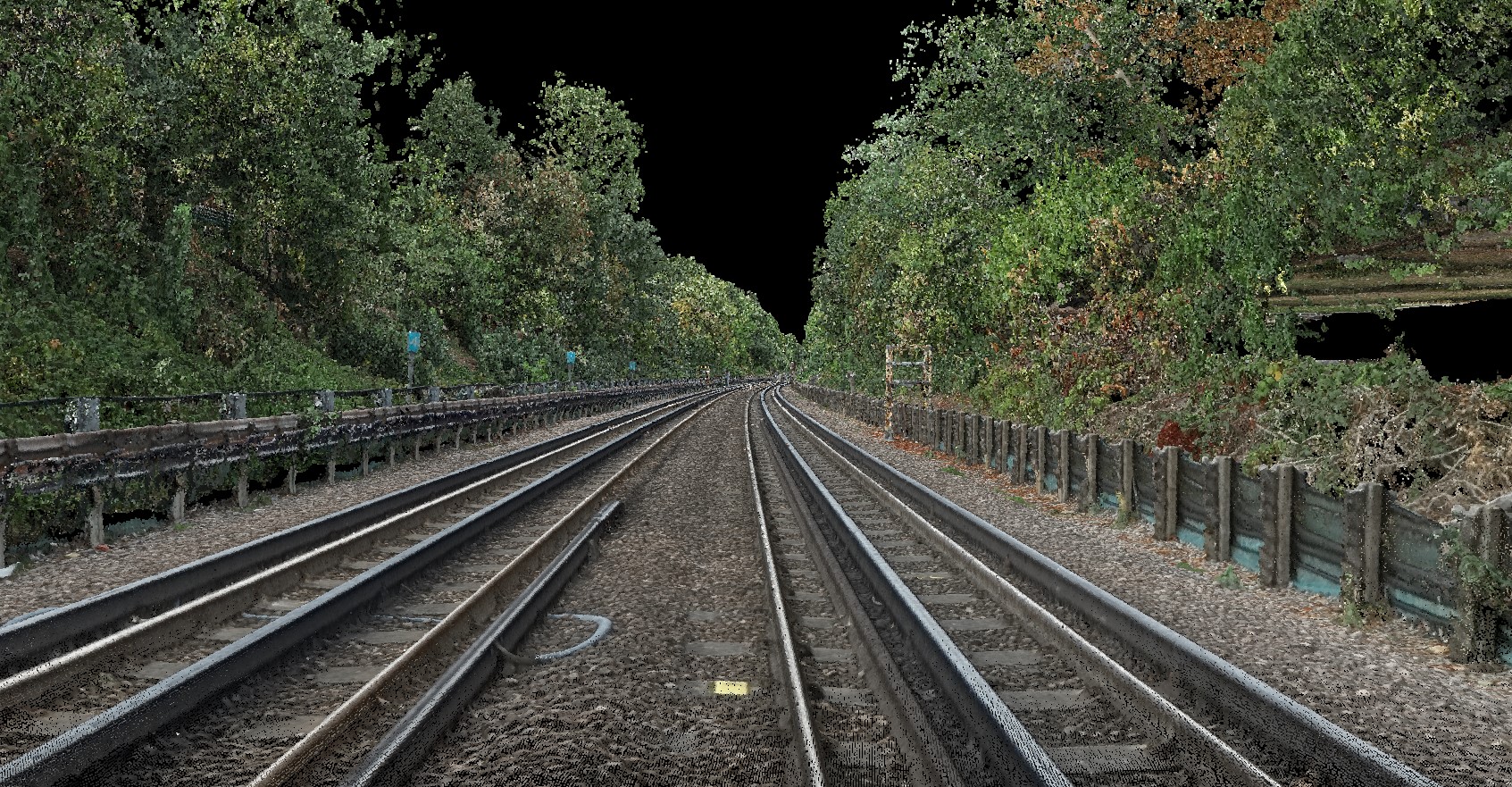
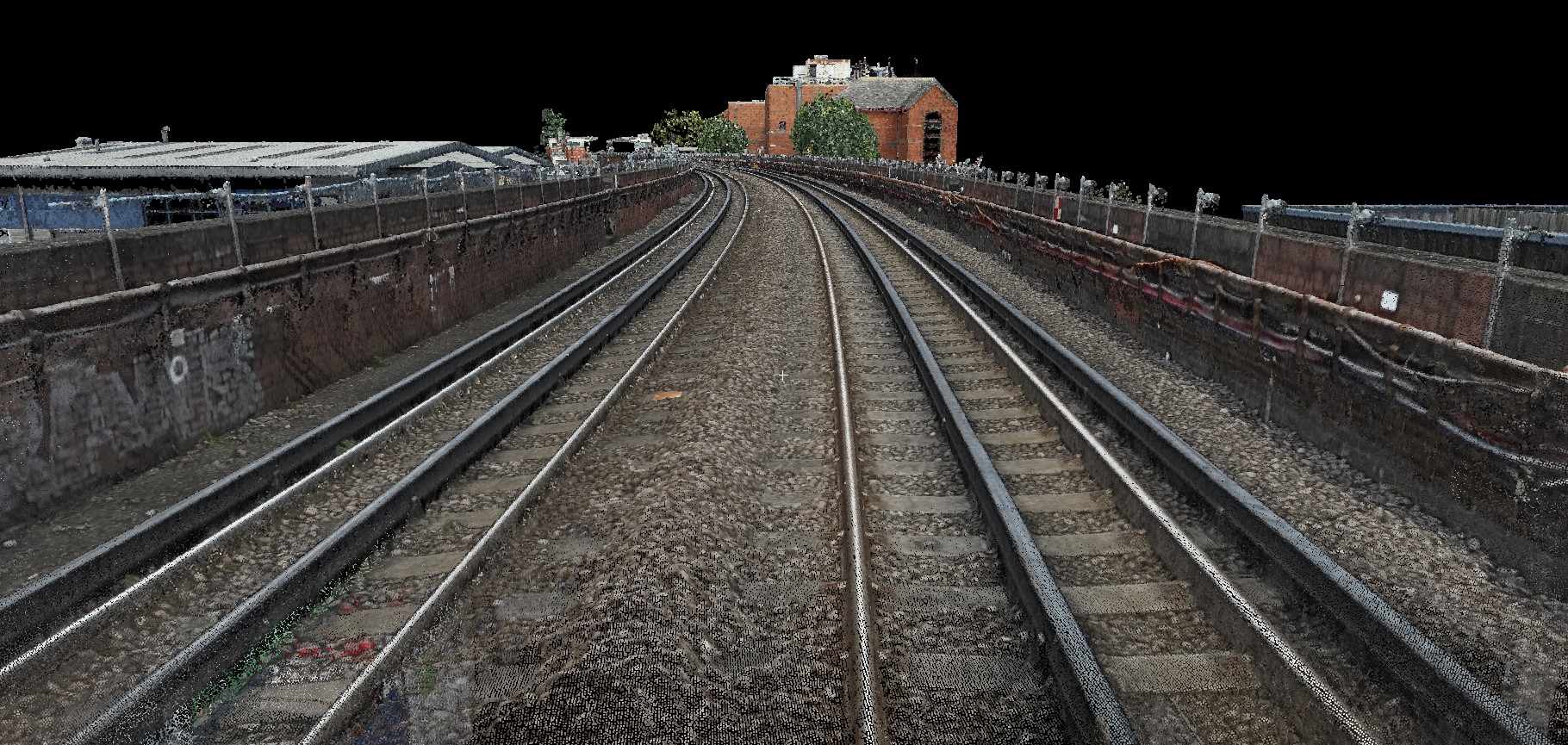
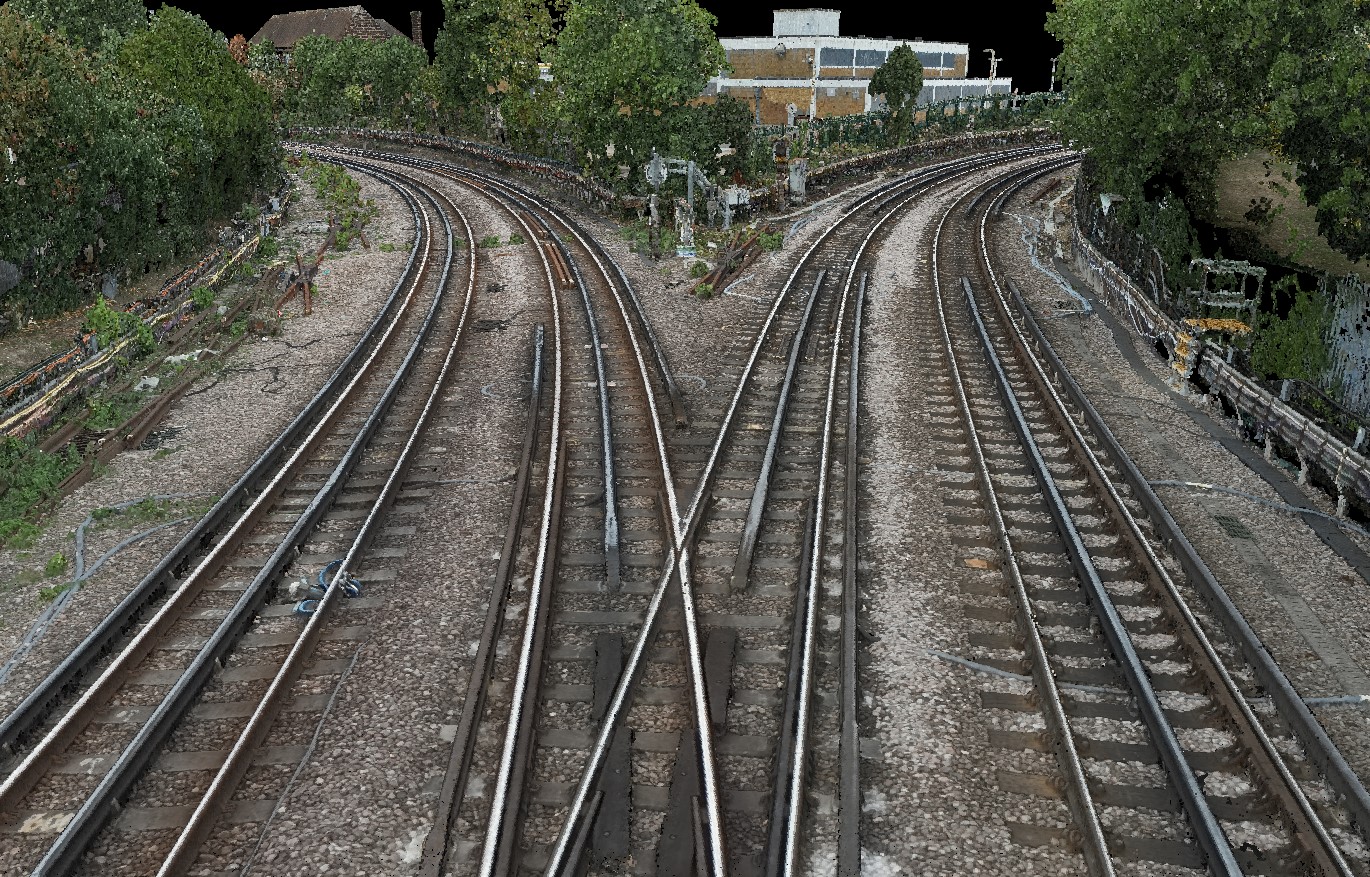
  • UAS photogrammetry generating dense, colourised 3D point clouds
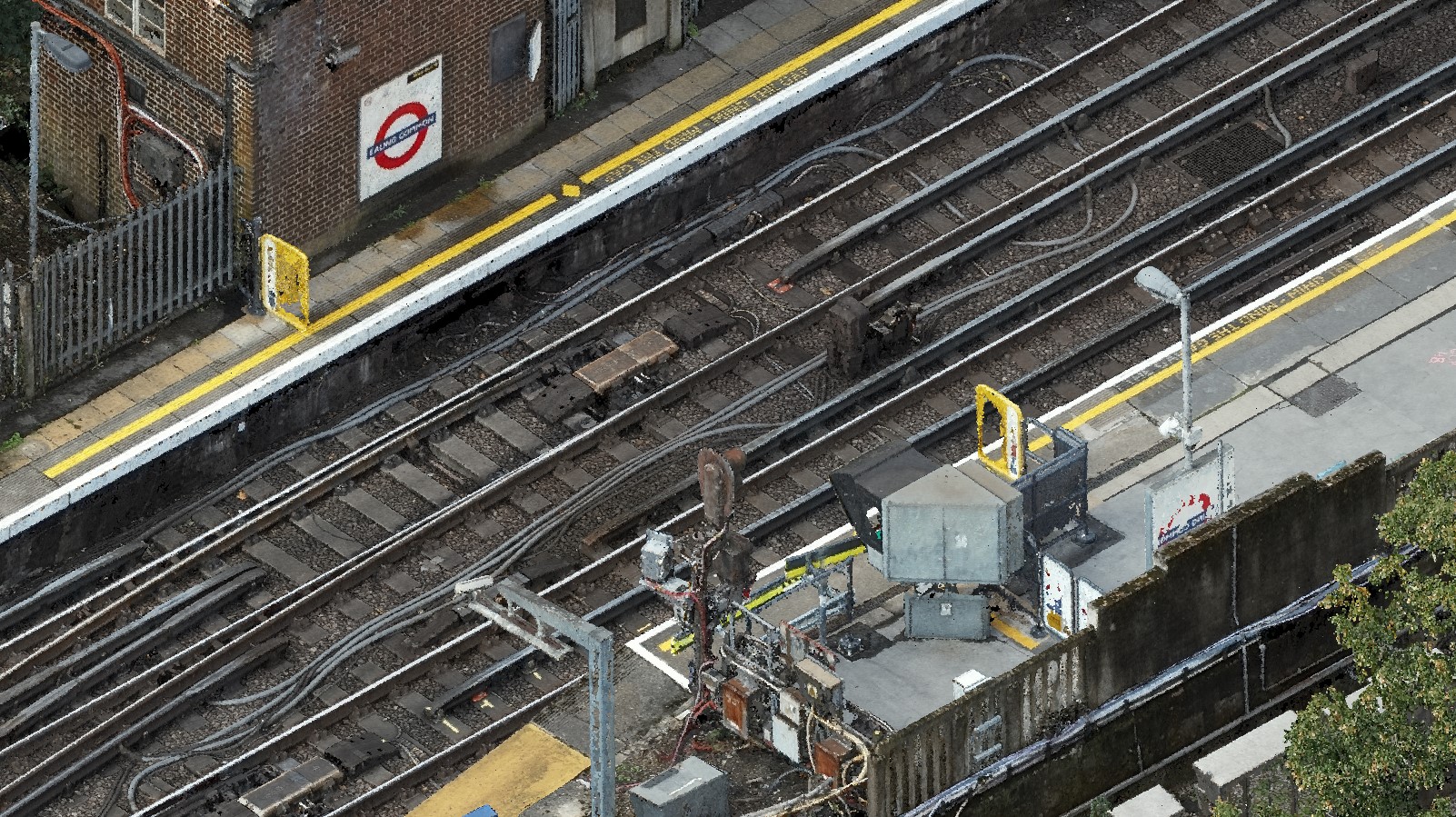
  • Targeted nadir and oblique imagery to achieve full asset and structural resolution
  • Detailed capture of platforms, track, drainage, bridges and retaining structures
  • RTK GNSS survey control to OS Grid and Datum, later transformed to London Survey Grid
  • Independent accuracy verification across the full corridor
  • Processing workflows delivering high-resolution point clouds and orthomosaic outputs
  • Comprehensive RAMS, aviation approvals and rail interface planning


This approach delivered a continuous, corridor-wide 3D dataset suitable for engineering assessment and digital design, while maintaining safe separation from live rail operations.


Project benefits.

The UAS corridor survey delivered clear safety, programme and data-quality advantages.

01

Improved safety performance

Remote capture significantly reduced the need for surveyors to access the track environment, lowering exposure to live rail hazards

02

Operational continuity

Parallel flight operations removed the requirement for extended possessions, allowing surveys to proceed without disrupting services.

03

Efficient capture of a complex linear asset

Large sections of the corridor were surveyed rapidly, reducing programme risk and the need for repeat site visits.

04

Design-ready digital outputs

High-resolution 3D datasets supported design development, clearance assessment and asset review.


05

Enhanced stakeholder understanding

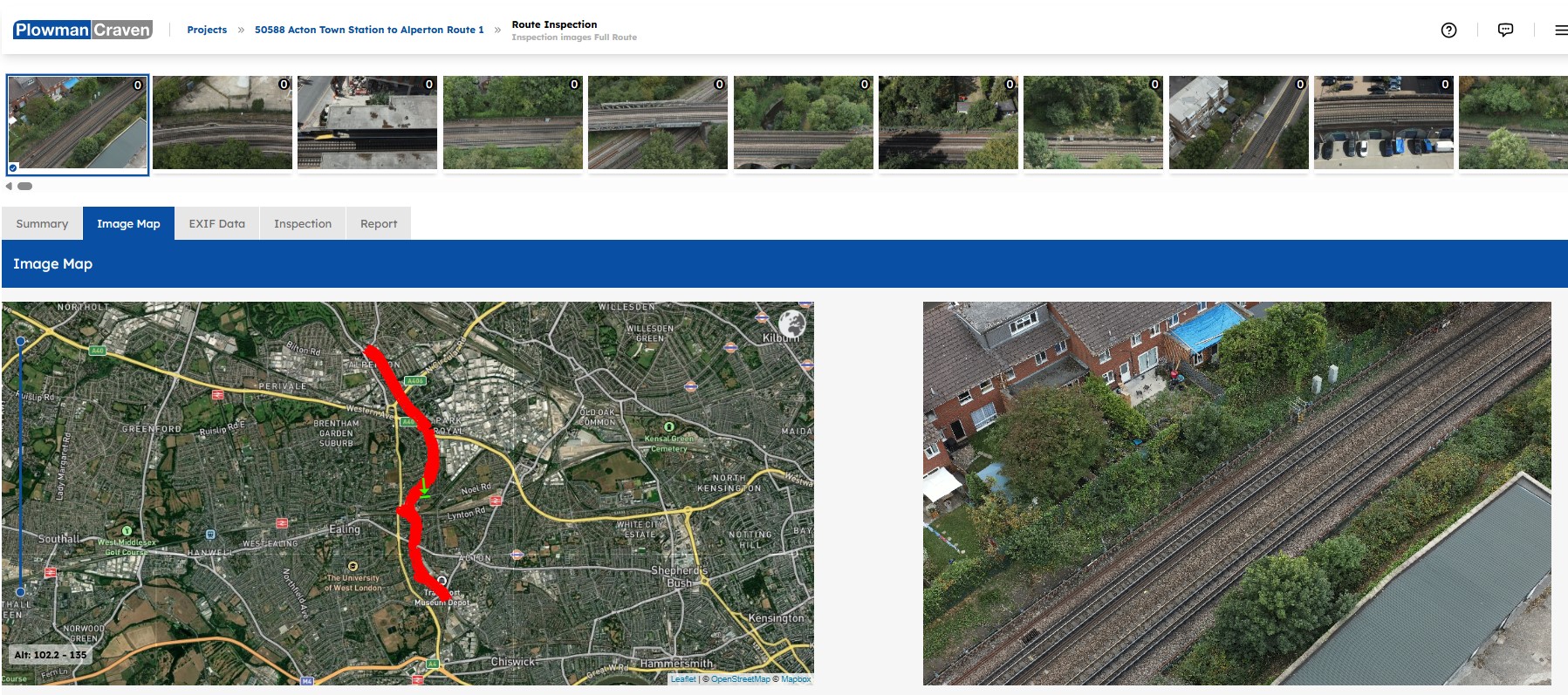
Interactive 3D data delivered through Plowman Craven’s Easl platform supported clearer communication and collaboration.


Project outcome.

The Acton Town to Alperton corridor survey demonstrates how UAS-enabled survey methodologies can transform the capture of complex, live rail environments.

By combining drone technology with rigorous survey control and rail-specific safety planning, a high-fidelity corridor-wide dataset was delivered with accuracy to ±15 mm. The data is suitable for engineering assessment, design development and visual inspection, while reducing programme risk and the need for repeat site access.

The project highlights how digitally enabled inspection and survey approaches can reduce on-track risk, protect live operations and provide reliable, design-ready data to support smarter infrastructure decisions.

Want to see more of our work?

Know more. Risk less. At every stage.

With 60 years' experience providing clarity for complex, high stakes projects, we'll deliver the insight you need to build better.