A Tier 1 UK construction and infrastructure contractor is delivering the refurbishment of the historic roof at a major London railway terminus, one of the busiest and most operationally sensitive stations in the UK.

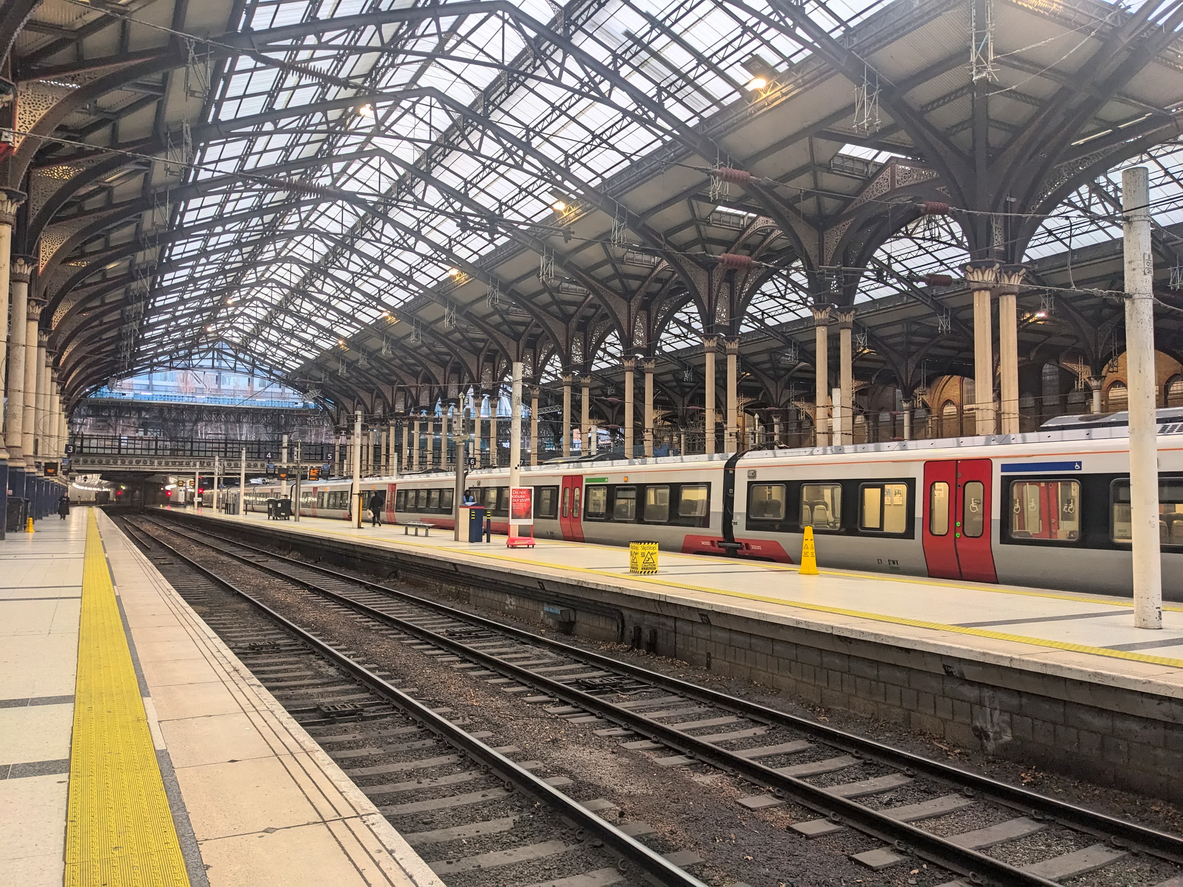
The station’s vast Victorian ironwork roof, a listed heritage structure, is undergoing a major renewal programme as part of a long-term improvement scheme. The scale of the roof structure, combined with its listed status and the need to maintain uninterrupted rail services and public access, makes this a technically demanding and logistically complex project.
We were appointed to provide continuous, high-precision structural monitoring throughout the refurbishment works. Our role is to ensure that the roof replacement activities do not introduce unintended structural movement, safeguarding both the historic fabric and public safety within a live operational environment.
The monitoring programme commenced in 2025 and remains ongoing, supporting works scheduled through to 2026.
The project presented a unique combination of engineering, heritage, safety and operational constraints.
Key Challenges
The station roof structure is listed and constructed from historic ironwork columns and trusses. No intrusive fixings, drilling, bonding or damage to original paintwork were permitted. All monitoring installations had to fully protect the integrity of the existing fabric.
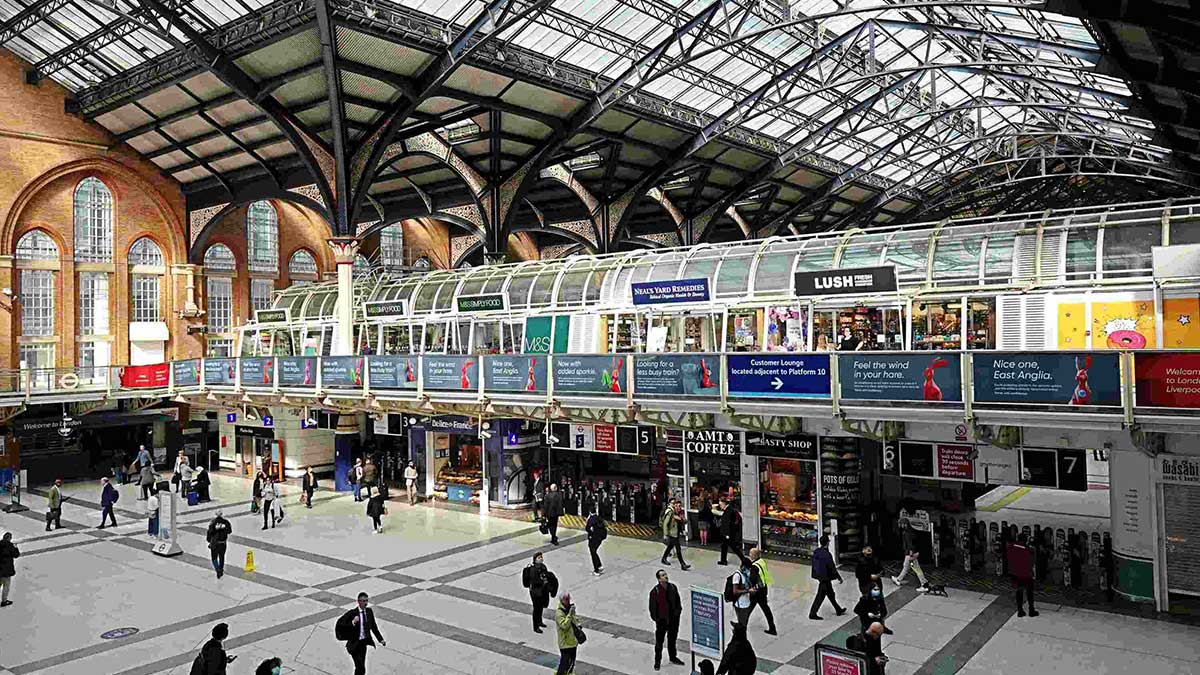
The station experiences extremely high daily footfall and continuous rail operations. Monitoring equipment had to be installed and maintained without disrupting passengers, train services or station functionality.
The roof is expansive and complex, requiring multiple prism monitoring locations to maintain full coverage across the structure.
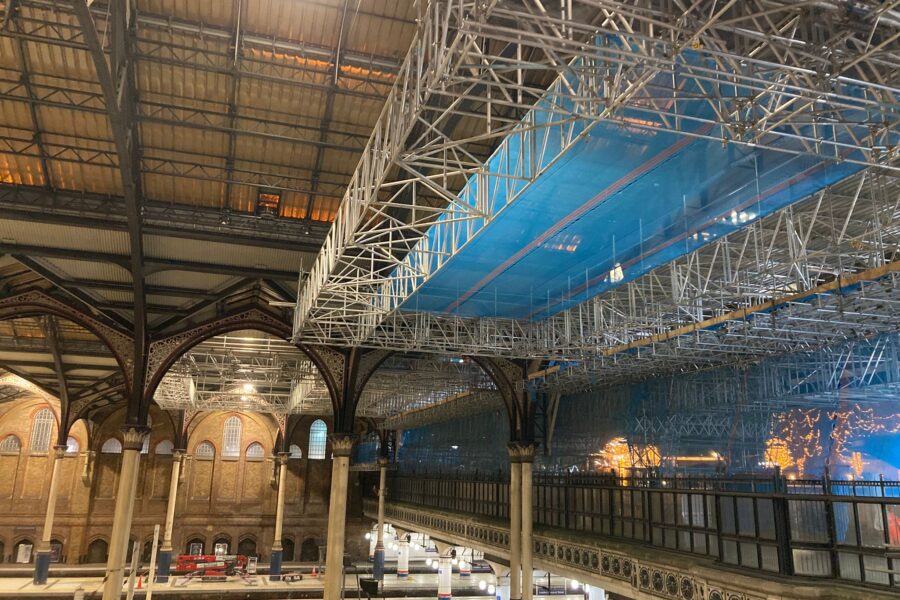
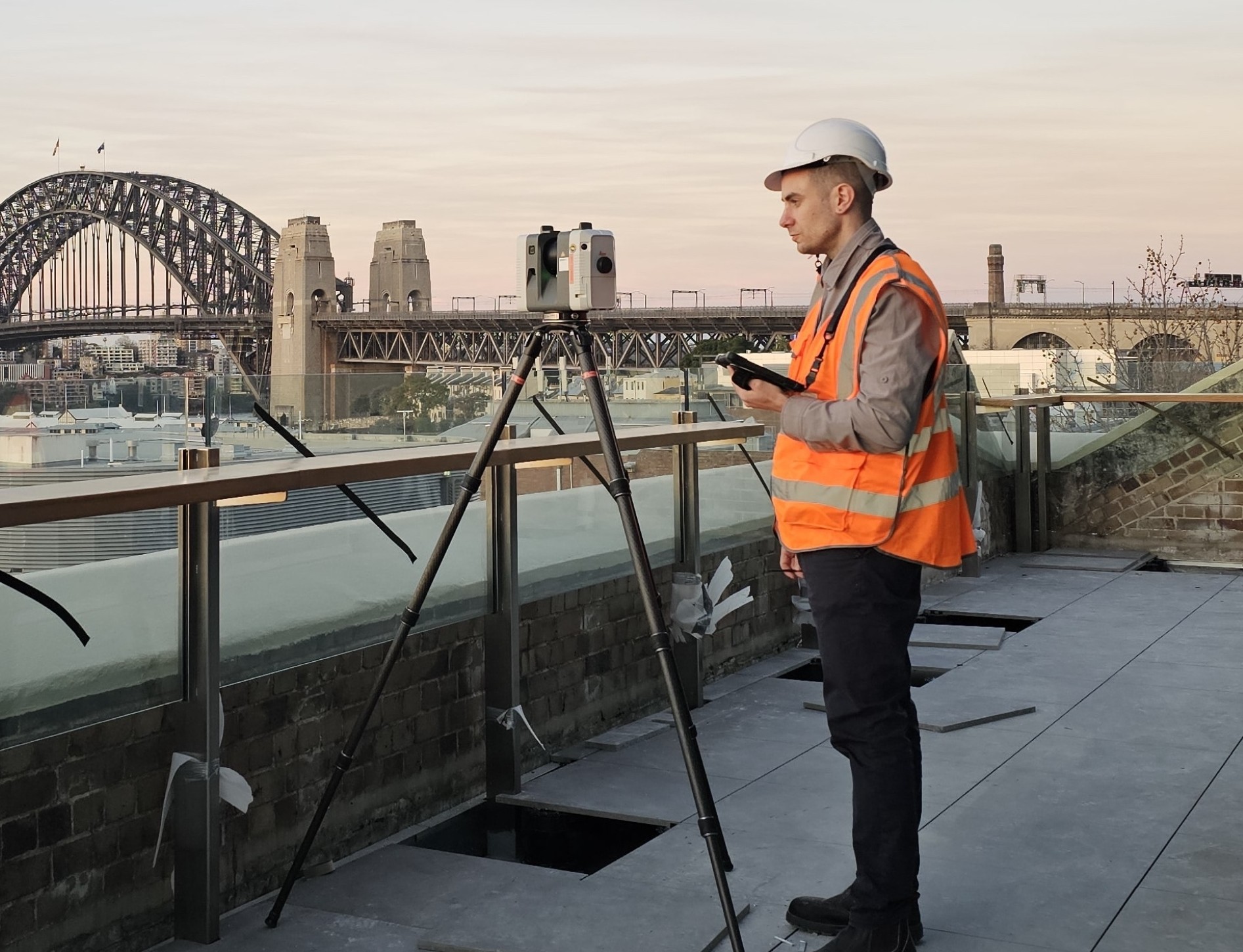
We delivered a fully automated structural monitoring system using six automatic total stations strategically positioned throughout the station.
Bespoke Heritage-Compliant Mounting Design
A critical innovation on this project was the design and installation of bespoke compression-mounted brackets.
Because intrusive fixings were prohibited, our technical team engineered specialist wrap-around compression brackets that securely mounted the automatic total stations to existing iron columns without damaging historic paintwork or compromising structural integrity.
Brackets were designed in-house, approved prior to installation, and fabricated specifically for this environment. This solution enabled monitoring to proceed while fully complying with heritage constraints.
Continuous Automated Monitoring
Automated total stations monitor a large network of prisms installed across the roof structure. The system:
The system ensures that roof refurbishment works do not introduce structural instability during replacement activities.
Operationally Sensitive Delivery
Our team:
Our ability to operate safely and efficiently within such a constrained, high-footfall public environment was key to successful deployment.
The bespoke compression bracket design allowed monitoring equipment to be installed without any damage to the listed ironwork. This preserved the historic fabric of the station while meeting all conservation requirements.
Continuous automated monitoring provides the contractor with real-time assurance that refurbishment works are not adversely affecting the structure. This significantly reduces risk during roof replacement activities.
Remote automated monitoring reduces the need for repeated manual survey access within a live rail environment. This minimises disruption to passengers and rail operations while maintaining full data visibility.
The system supports proactive decision-making by:
The monitoring programme began in 2025 and is scheduled to continue through 2026, aligned with the roof renewal works.
The project demonstrates our capability to:
The strong collaborative relationship developed throughout the scheme positions us for further opportunities across multiple divisions, reinforcing our role as a trusted technical partner.