This heritage project required a detailed and unobtrusive digital survey to inform complex refurbishment and extension works. Key drivers included:
The aim was to provide a unified dataset capable of supporting precise design development, accurate visualisation and long-term heritage protection.
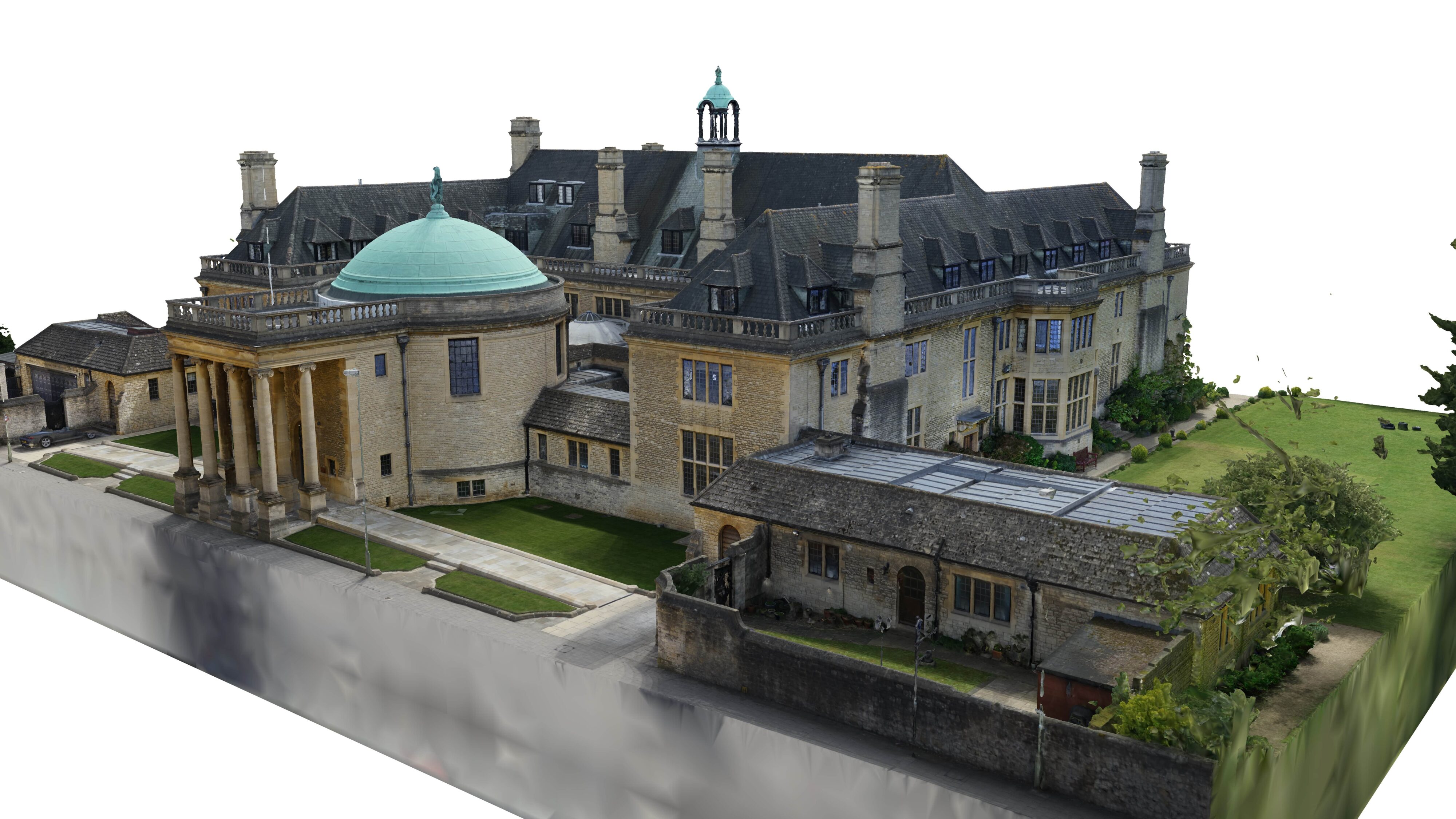
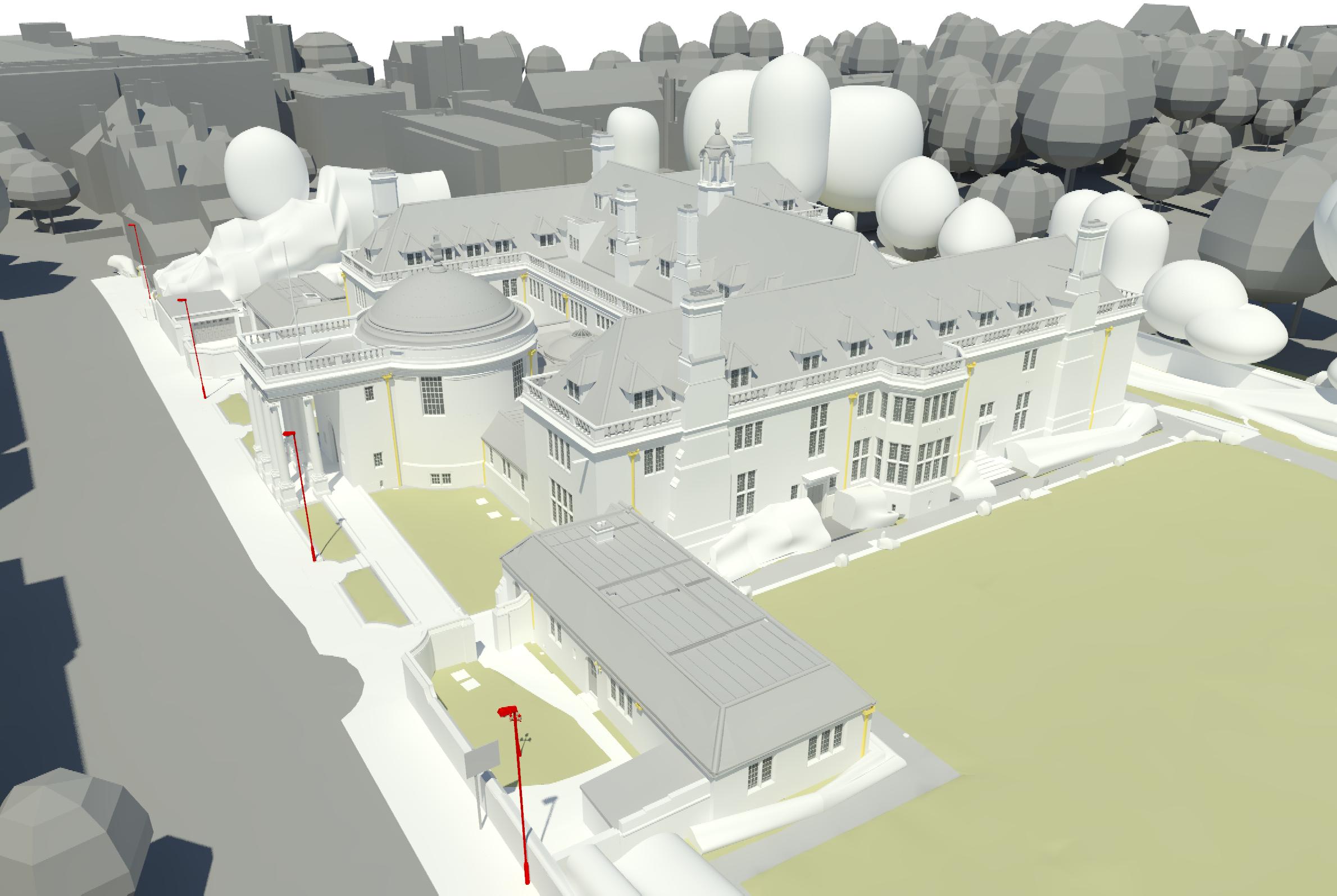
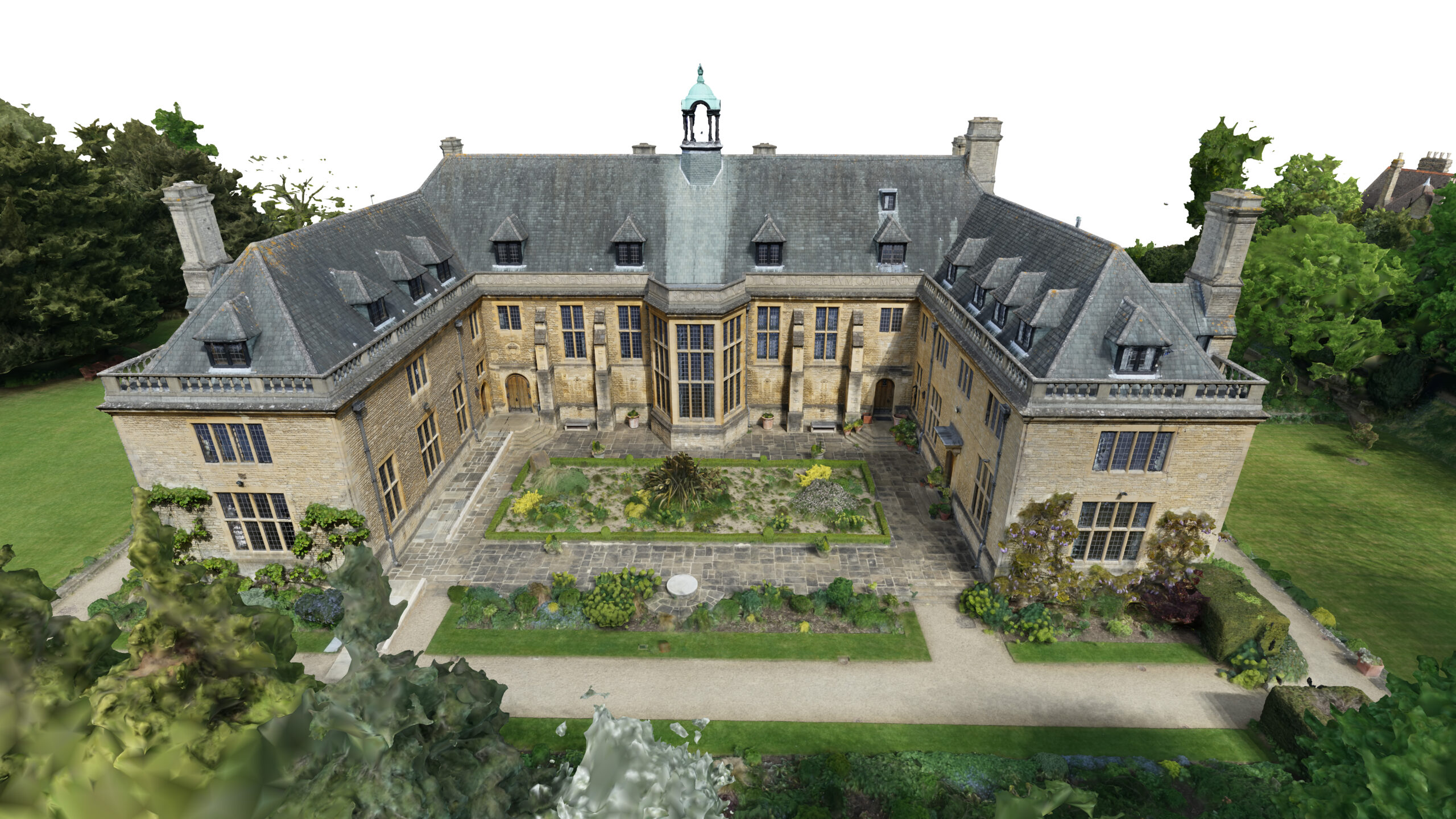
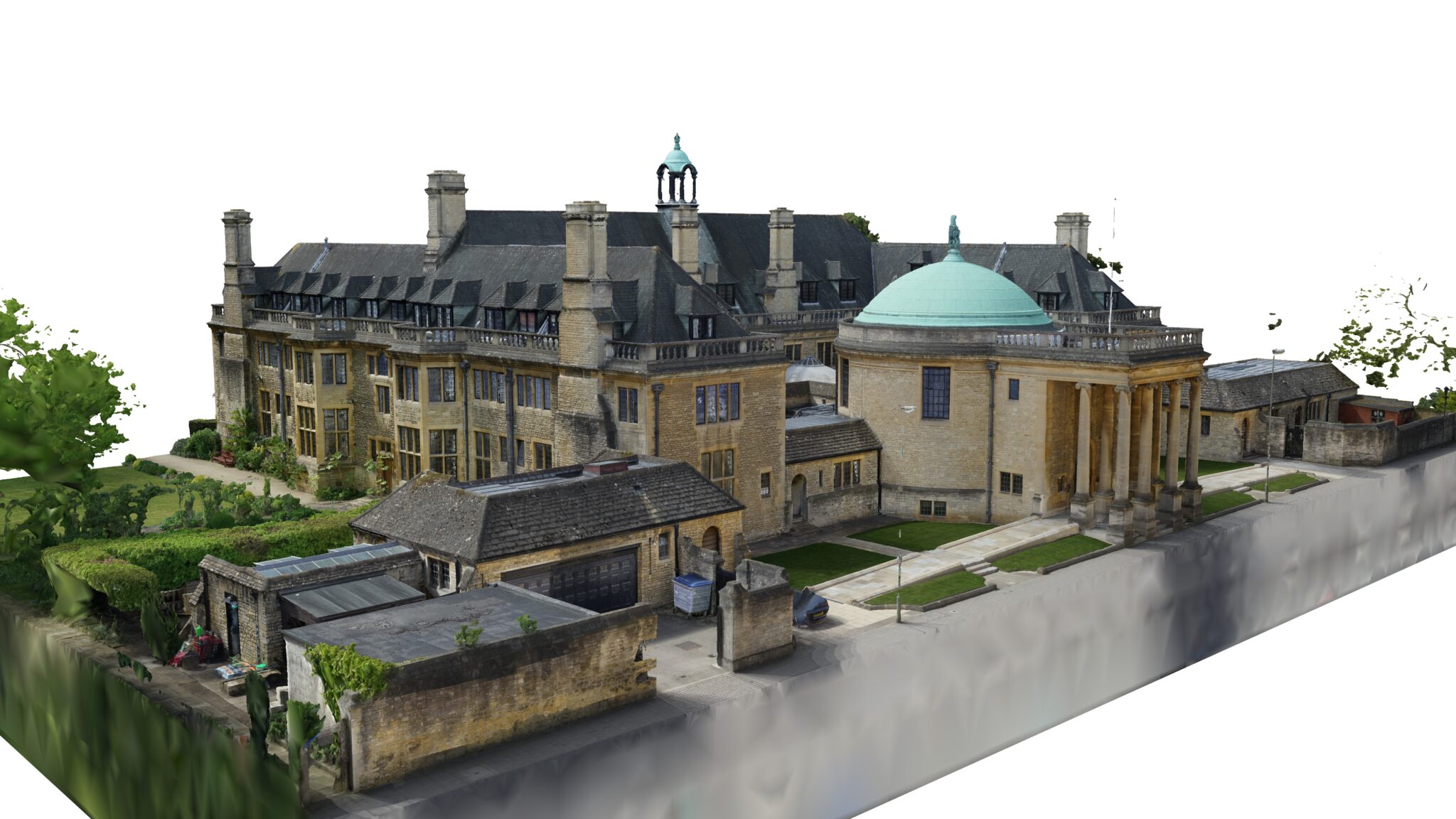
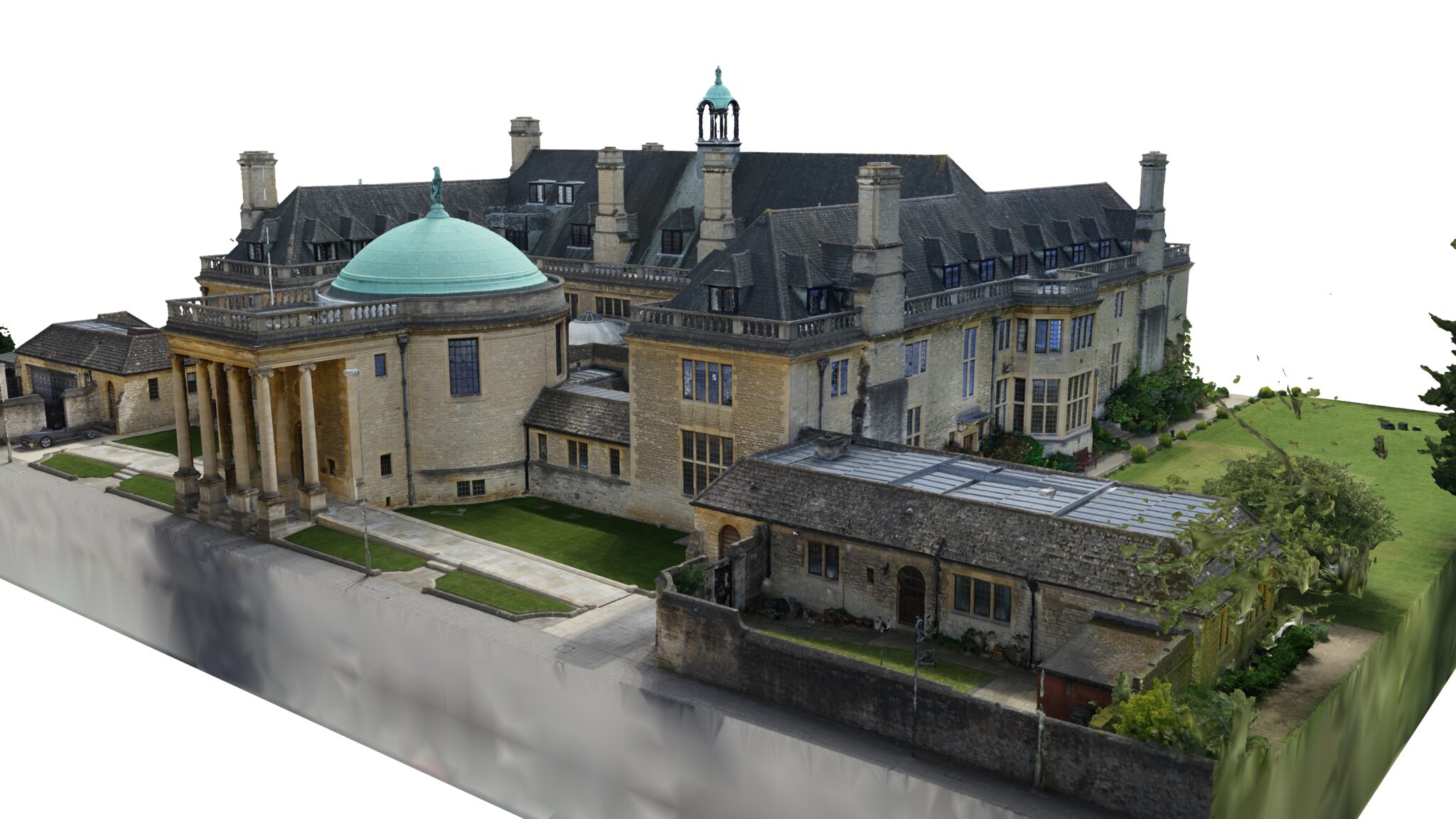
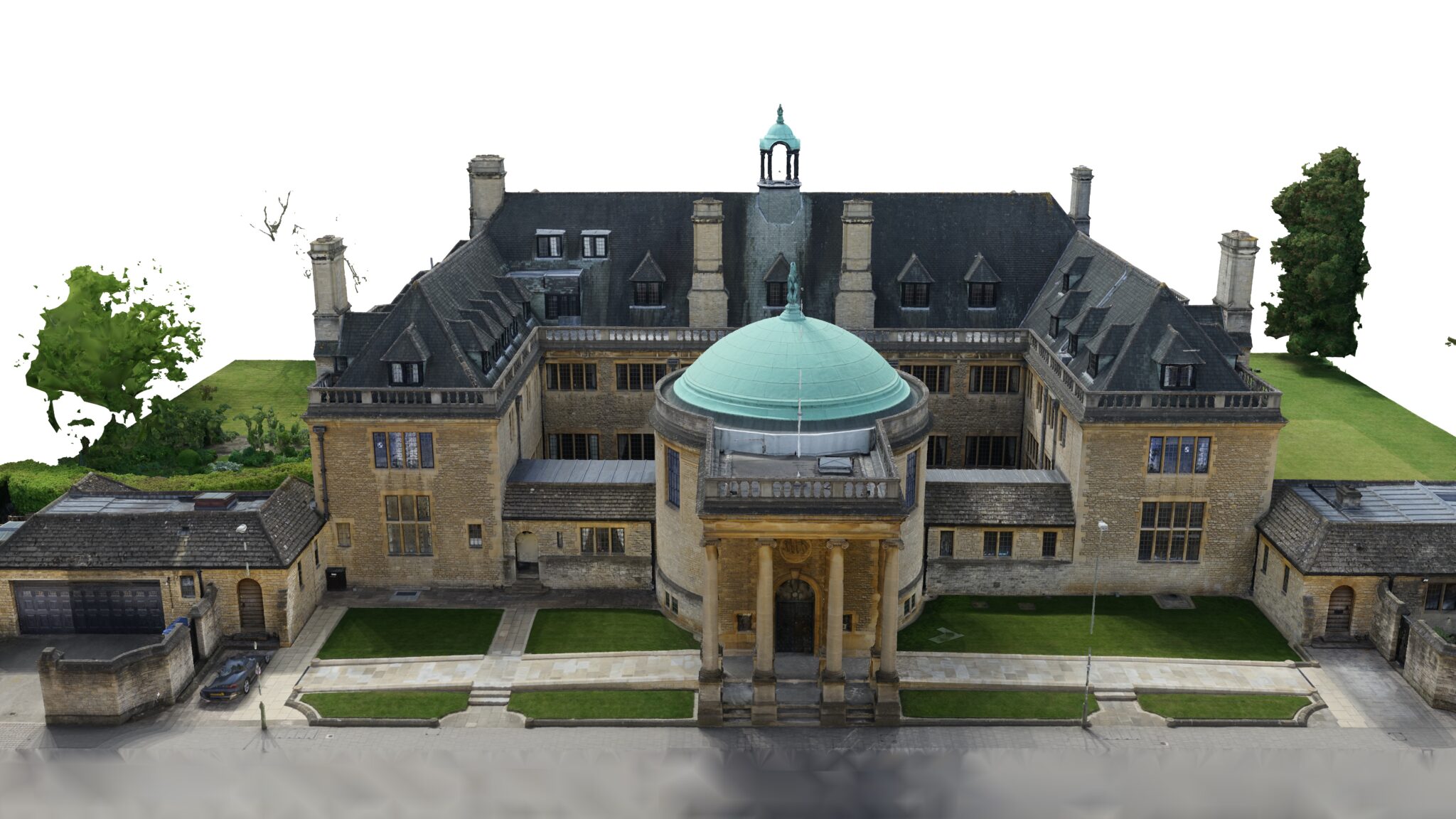
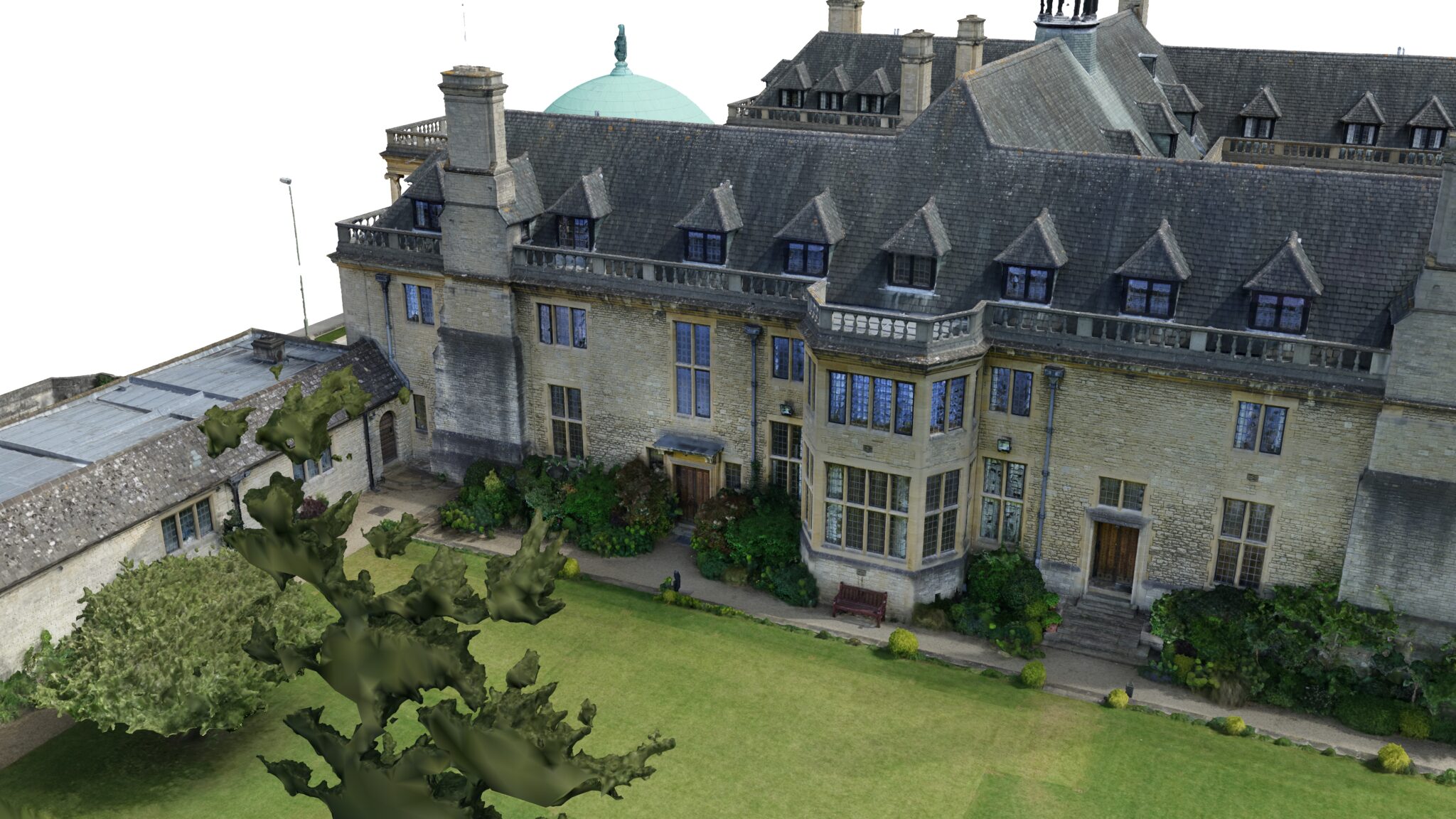
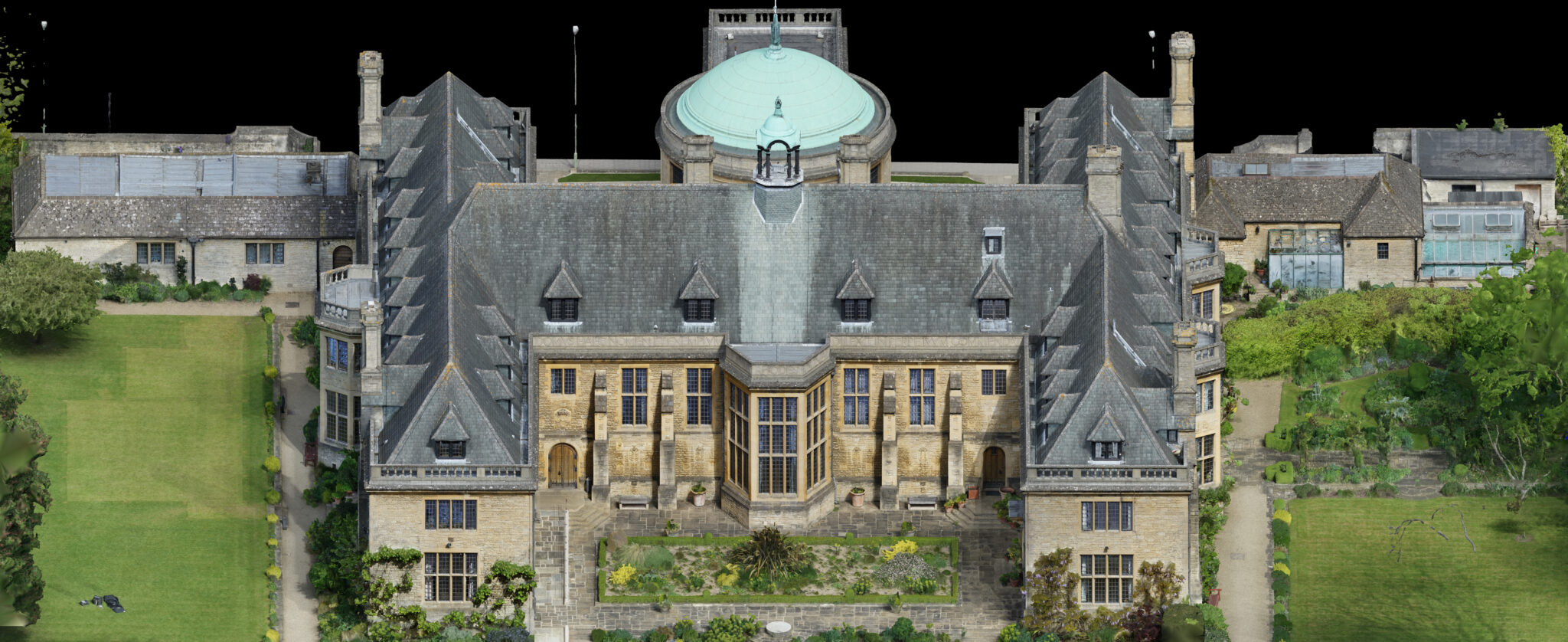
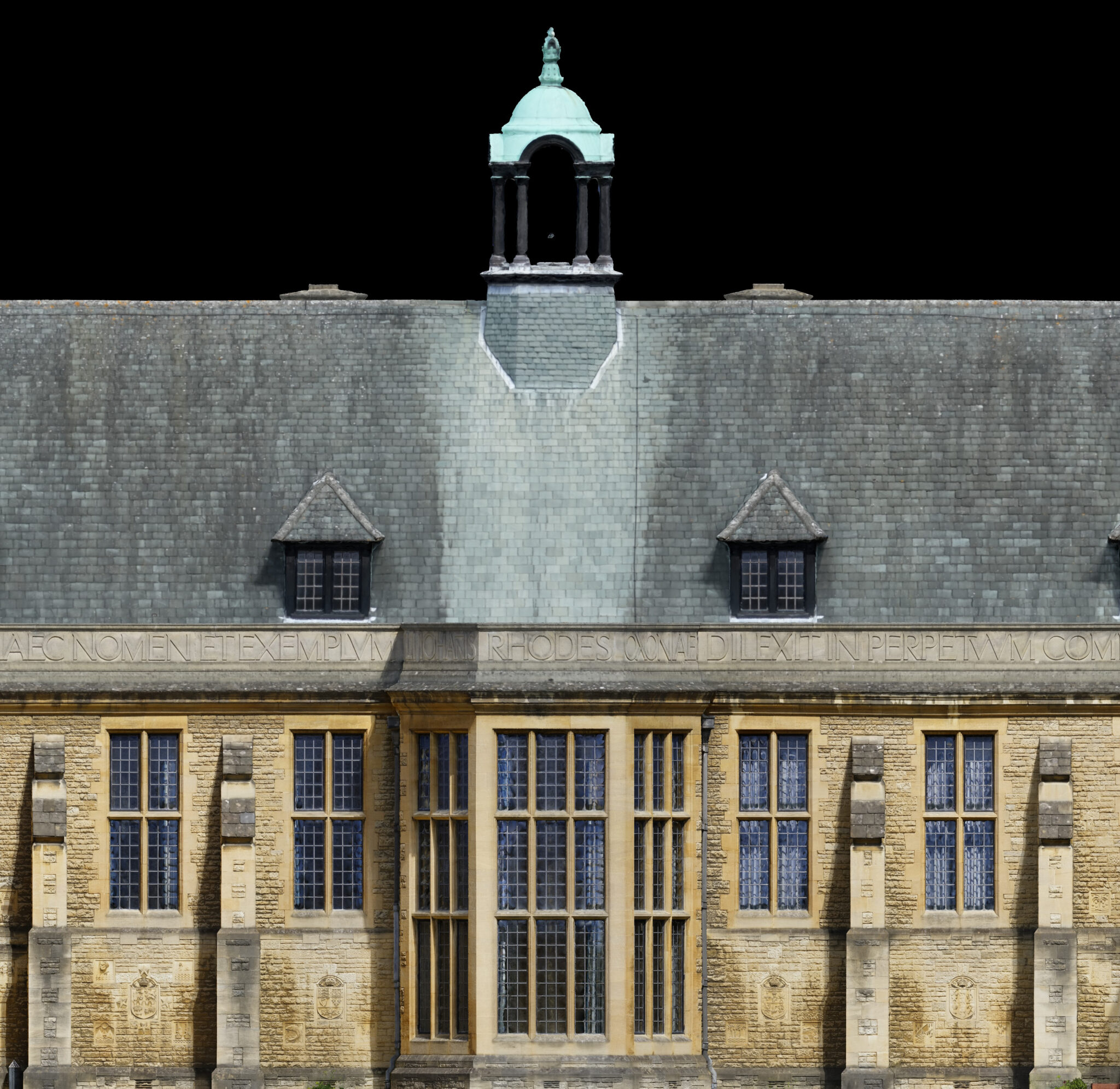
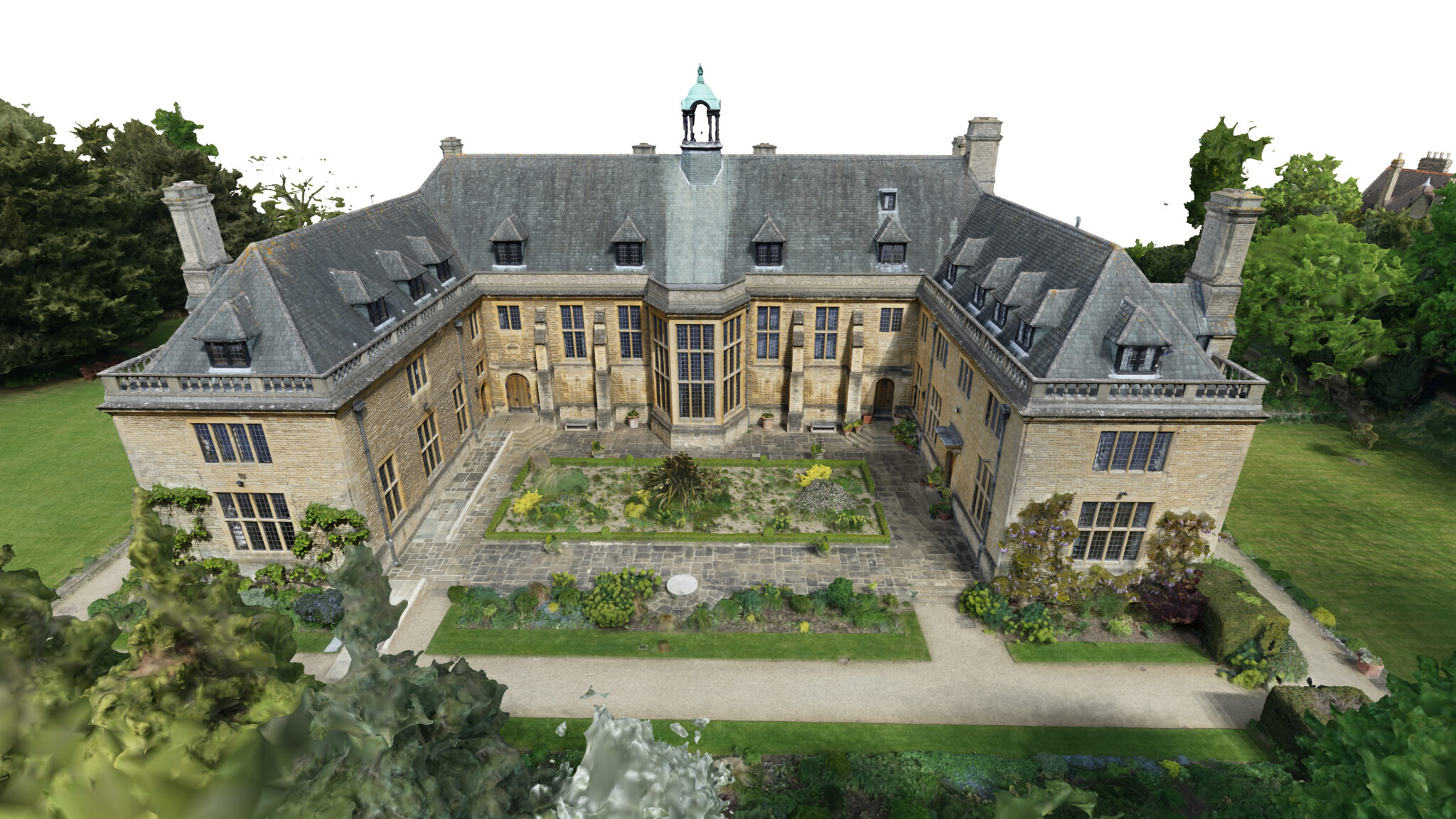
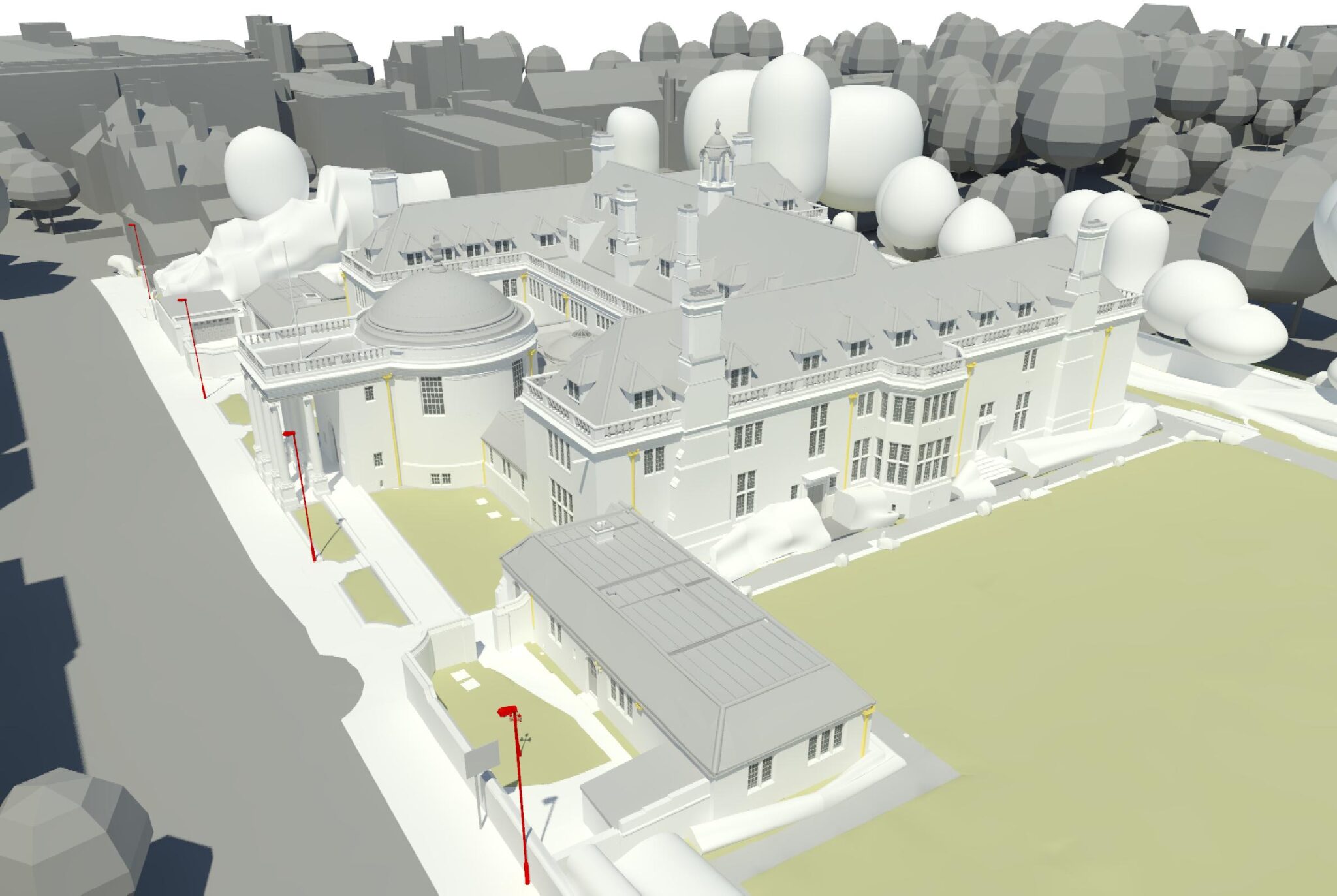
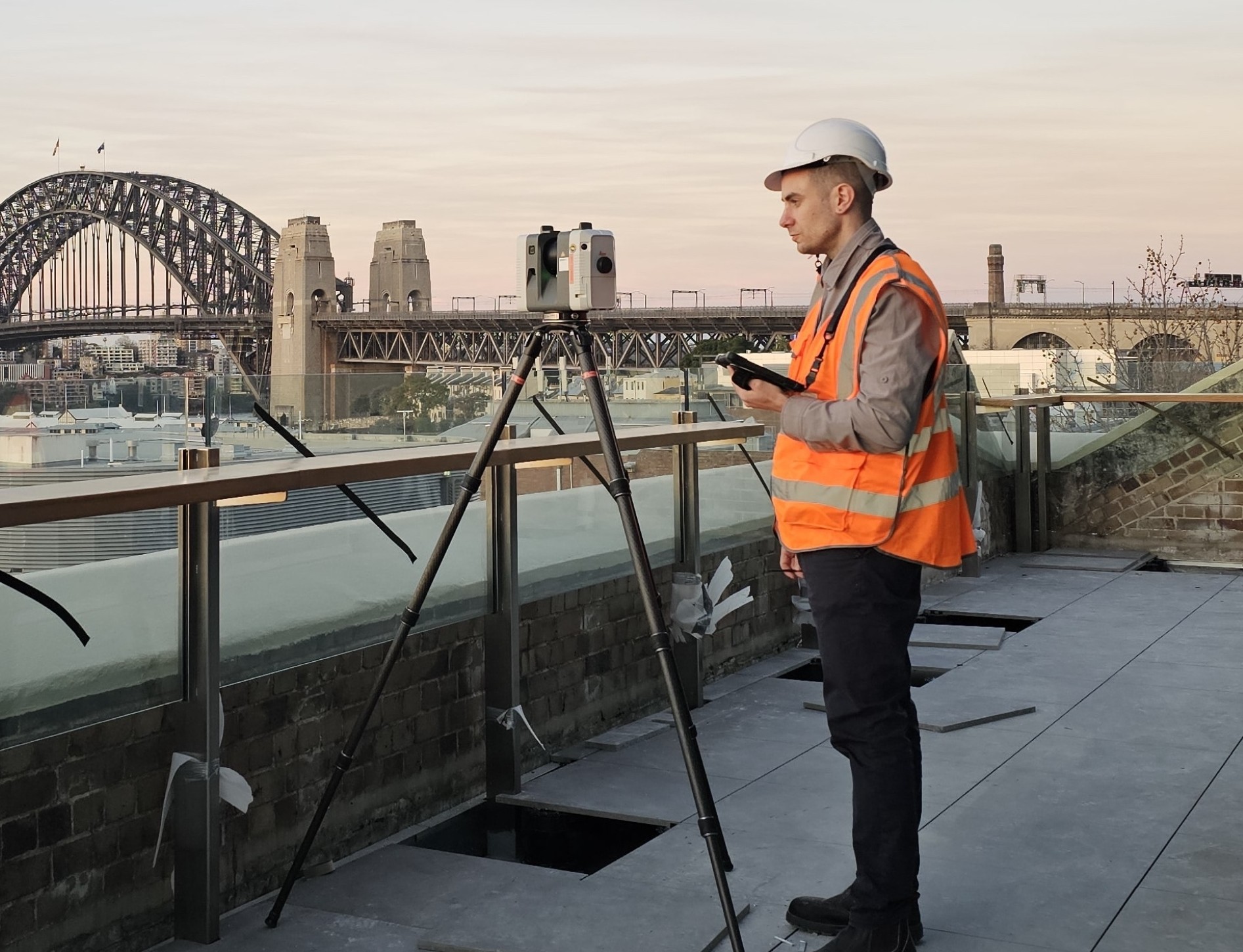
Plowman Craven delivered a coordinated multi-method survey programme, combining terrestrial laser scanning, photogrammetry, UAS capture and utilities mapping to build a highly detailed LOD4 BIM model.
Workstreams included:
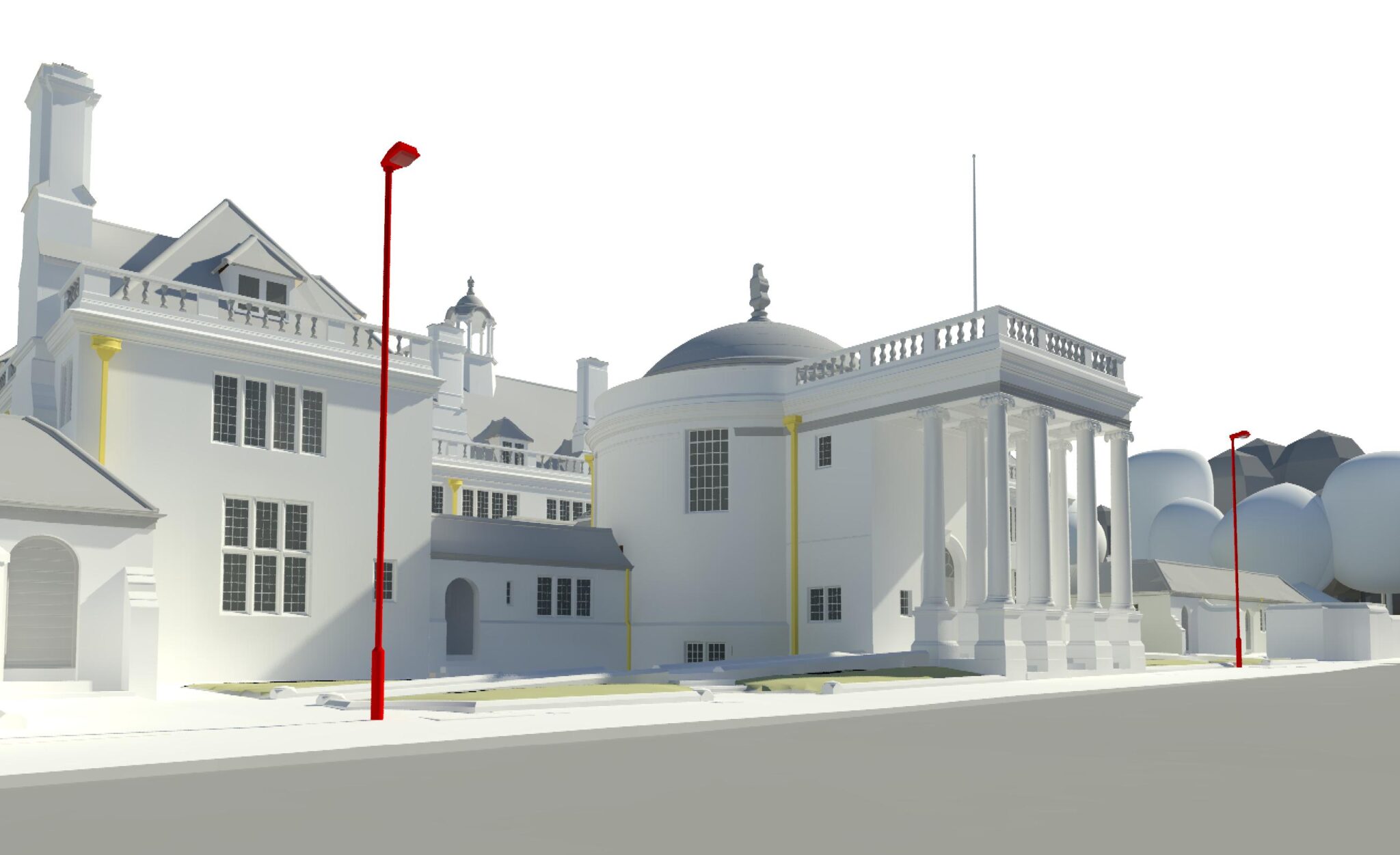
All survey outputs were federated into a single Revit model, providing an accurate spatial and contextual digital platform for design, planning and stakeholder engagement.
This project produced a high-definition digital dataset that enabled heritage-sensitive design development with confidence.
The LOD4 BIM model captured architectural detail at the required level for conservation-grade planning and intervention.
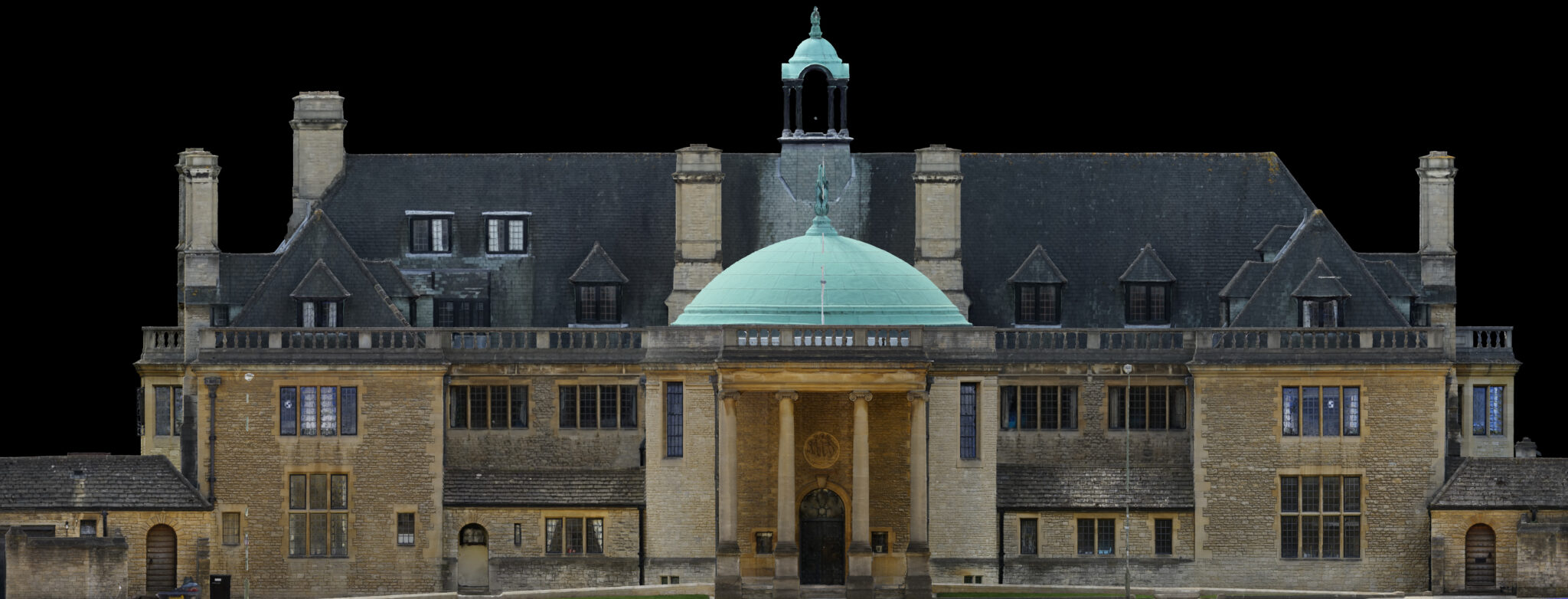
Orthophotos and the federated model allowed architects and consultants to progress design work remotely, particularly valuable during COVID-19 restrictions.
Tree data, roads, utilities and contextual features were incorporated into the model, enabling holistic planning and impact assessment.
Advanced capture technologies minimised disruption to the historic site while delivering precise, reliable information for refurbishment and construction.
The model underpins the £37m redevelopment programme, supporting the sensitive revitalisation of Rhodes House and the creation of new basements, refined internal layouts, a sculptural stone staircase and a new Garden Pavilion.
Plowman Craven’s integrated survey and BIM delivery provided the design team with a robust single source of truth, enabling confident decision-making, accurate coordination and strong stewardship of a culturally significant landmark.