Rail Bridge Inspection

Delivering a safe, high-resolution structural inspection of a live urban rail bridge using remotely piloted UAS technology, eliminating the need for scaffold, rope access or over-water working.

A safer way to inspect complex rail structures.

Plowman Craven was commissioned to support the condition assessment of a operational rail bridge located within a dense urban setting. The bridge crosses a busy river used by regular vessel traffic and sits close to public areas, meaning traditional access-led inspections would be costly, disruptive and higher risk.

The brief was to capture clear, reliable inspection imagery across critical structural elements while maintaining normal rail operations and avoiding unnecessary public interface.

Client challenge.

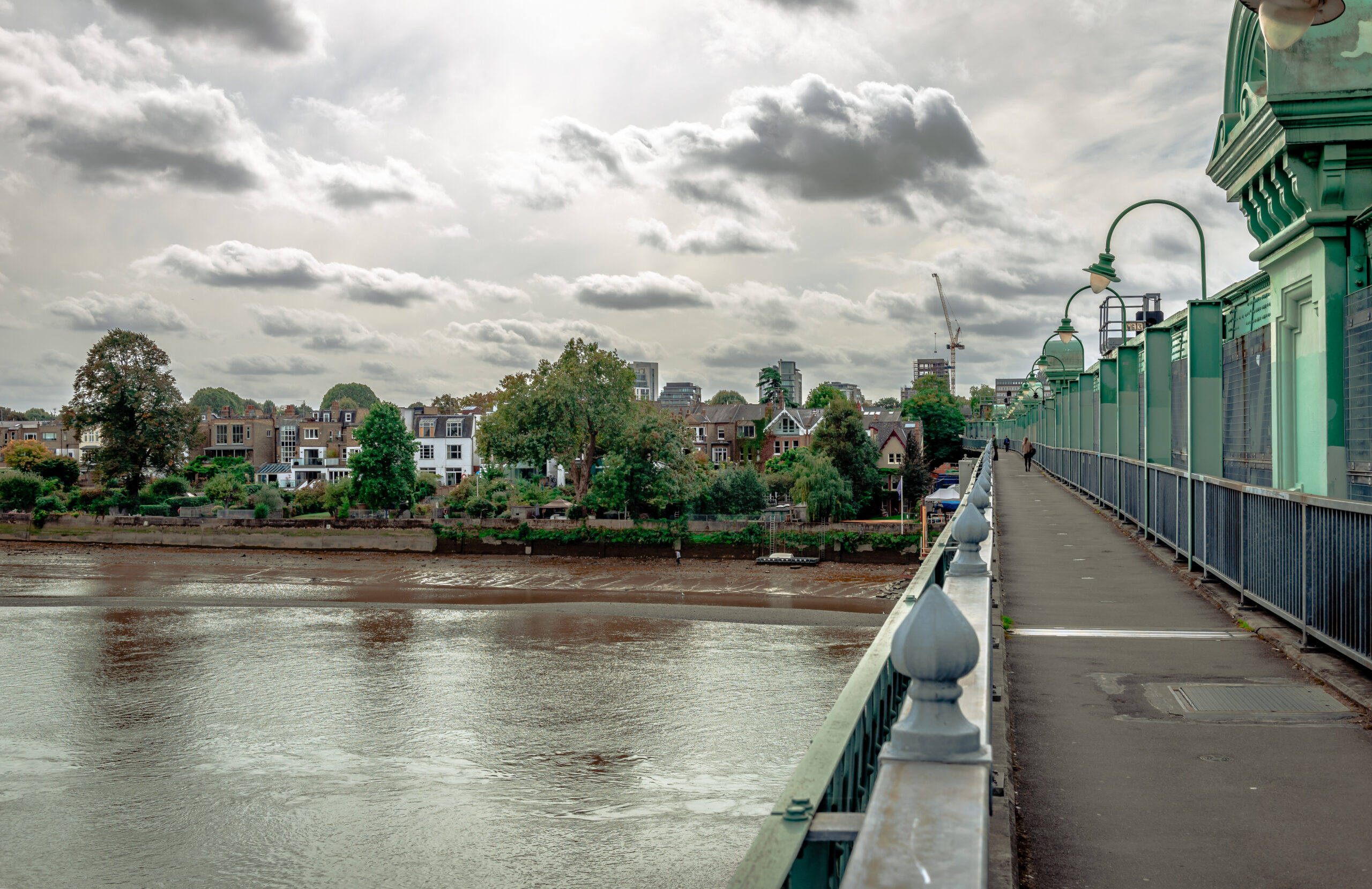
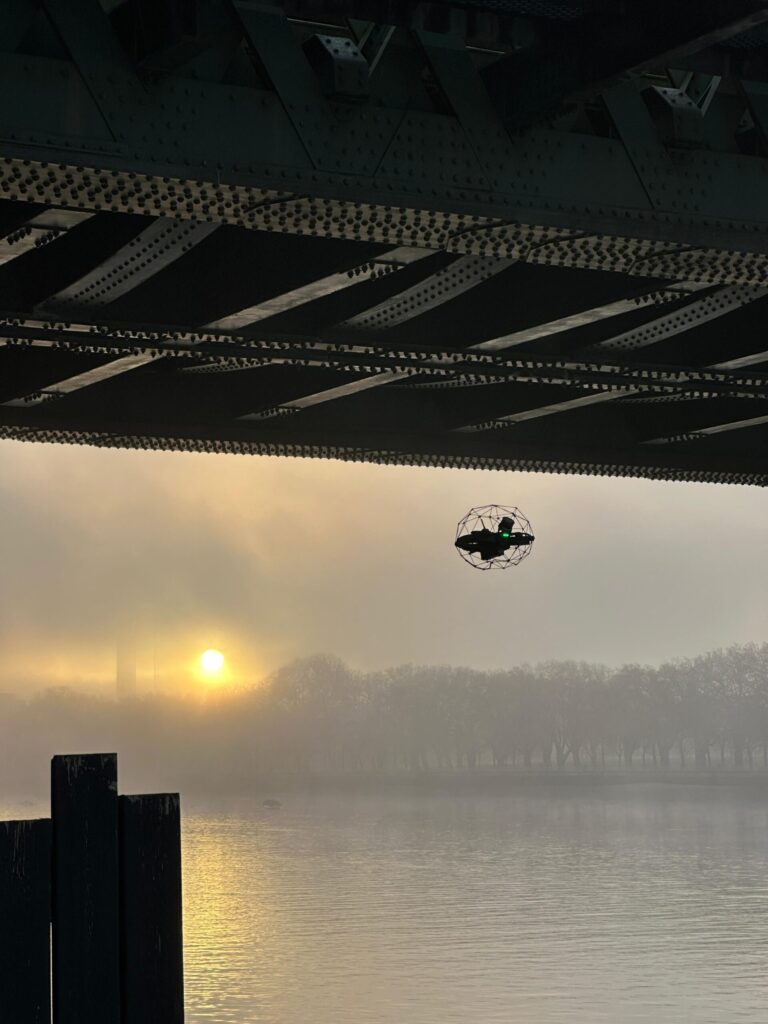
The Fulham Railway Bridge that spans the river Thames, seen from the north. Colloquially known as The Iron Bridge, it can also be crossed on foot. Putney is in the background.

The inspection needed to address a number of practical and safety challenges:

  • Live rail operations with limited access windows
  • Significant working-at-height exposure using conventional methods
  • Interfaces with river traffic, pedestrians and surrounding infrastructure
  • High mobilisation costs associated with scaffold or rope access
  • Requirement for inspection data that could support ongoing asset management

A traditional inspection approach would have required extensive planning, temporary works and physical access, increasing both programme risk and safety exposure.

Our
solution.

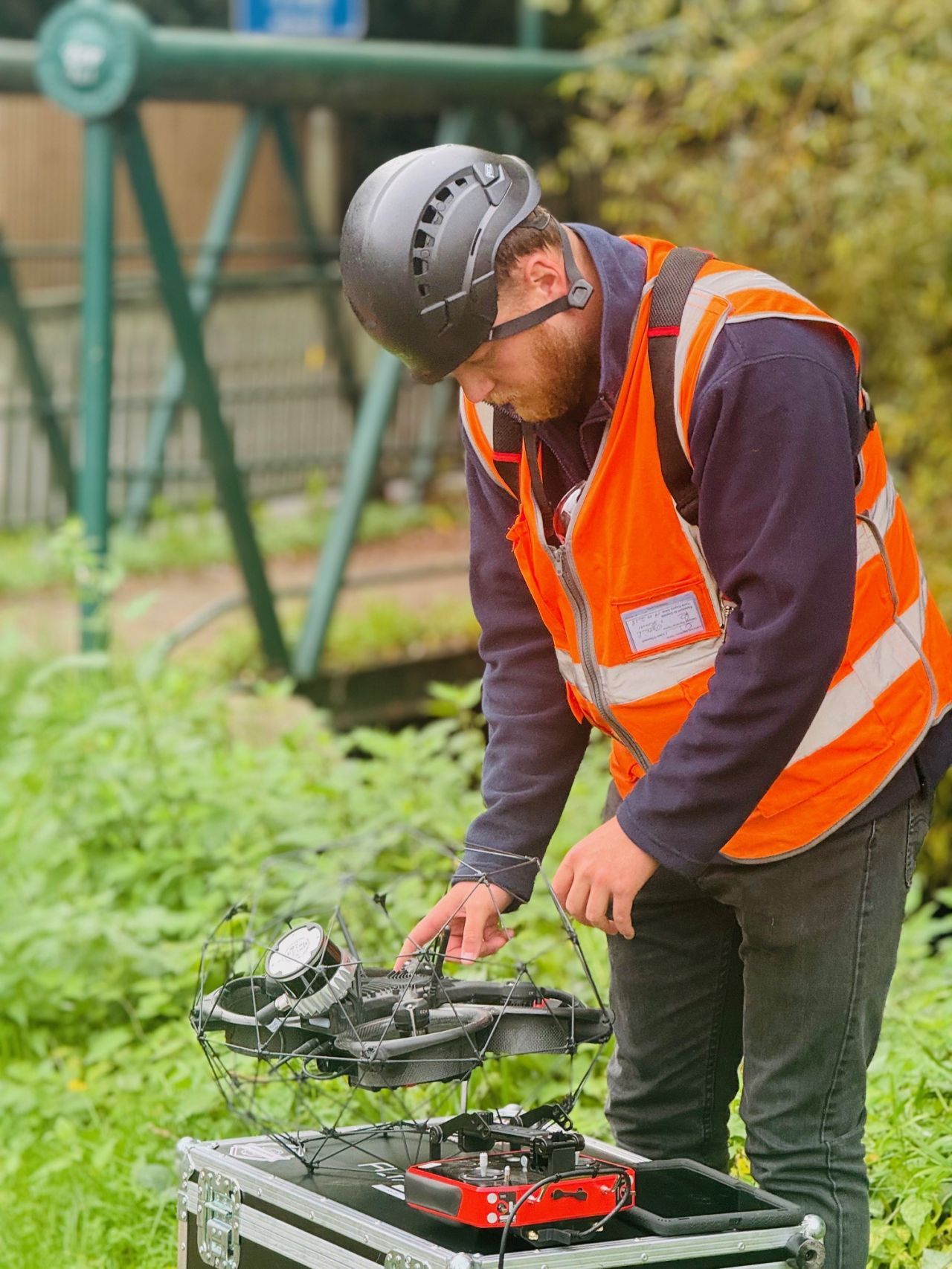
Plowman Craven delivered a fully remote inspection using close-range UAS technology, replacing physical access systems with a controlled, software-led inspection workflow.

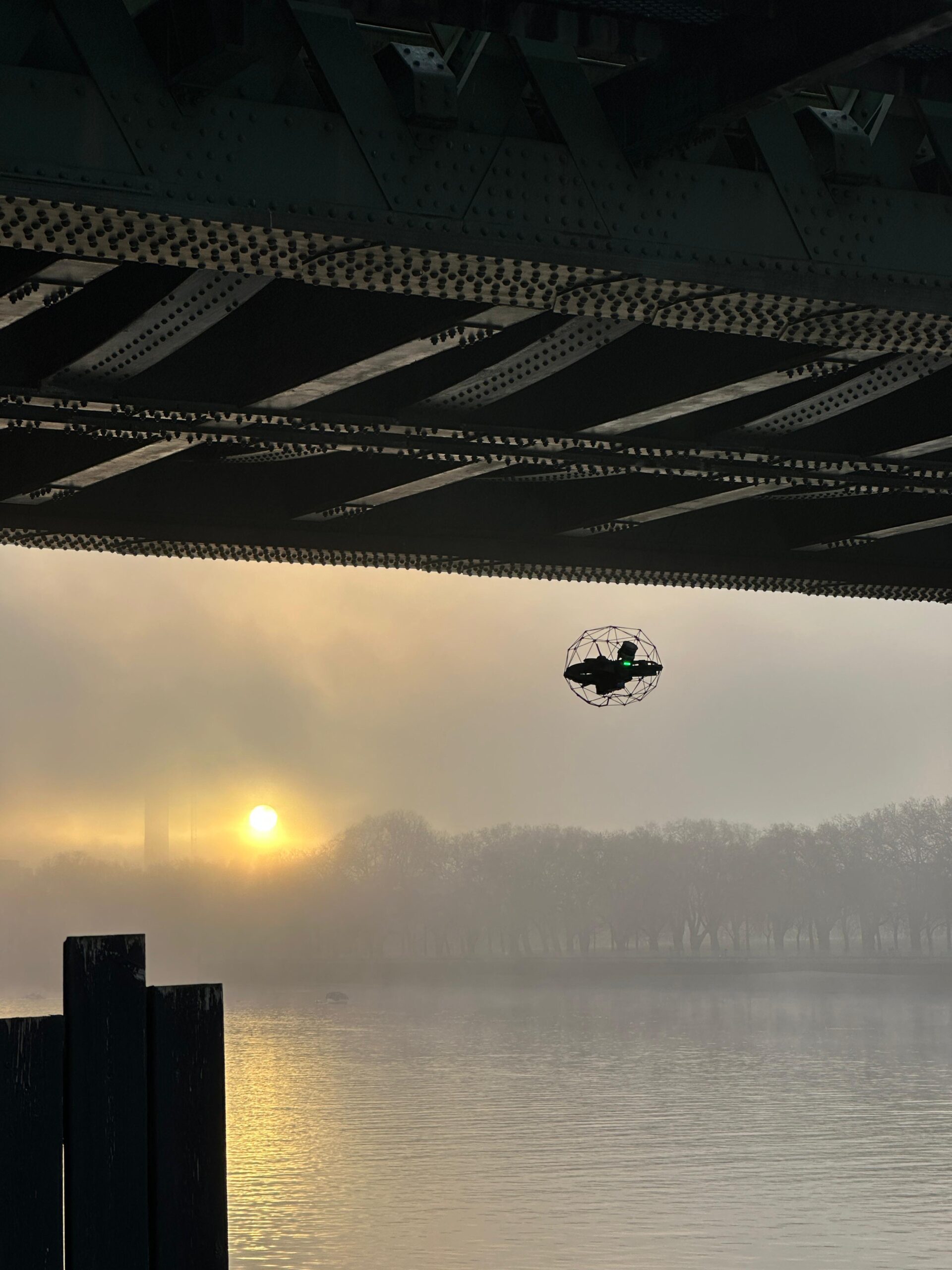
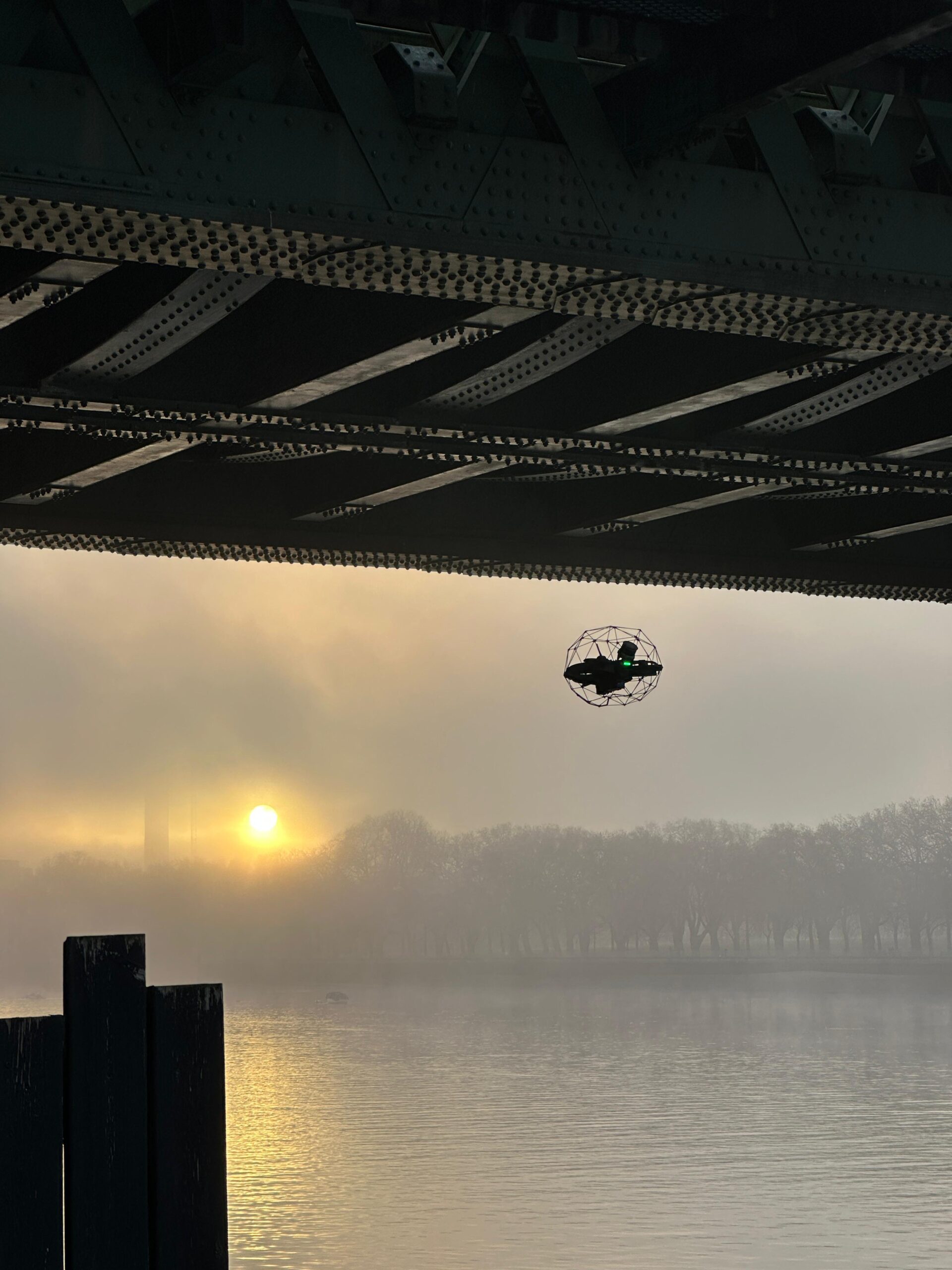
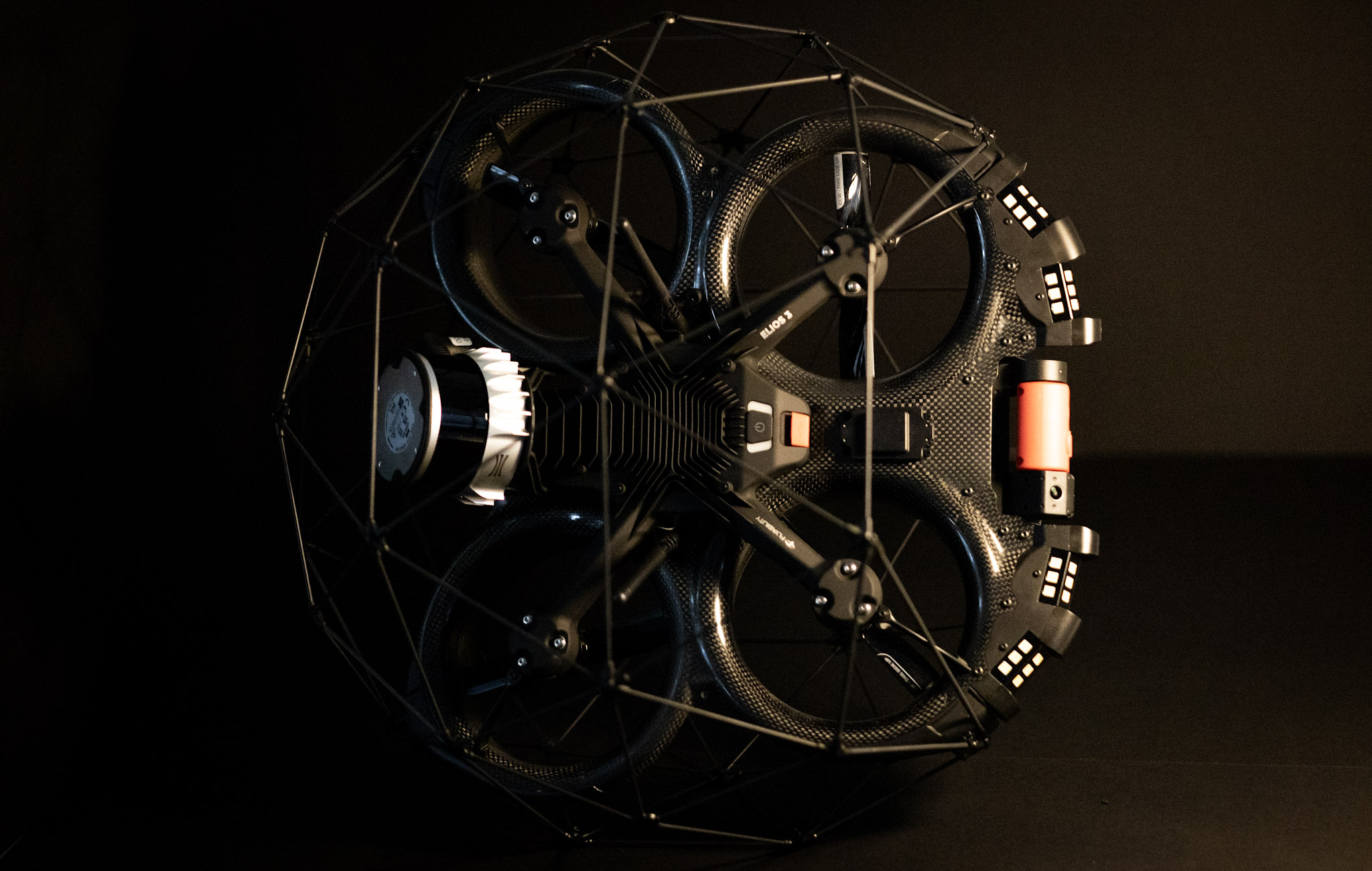
A confined-space capable inspection drone was deployed to fly in close proximity to the bridge structure, enabling detailed visual inspection of underside and hard-to-reach elements without scaffold, MEWPs or rope access. All operations were planned and delivered within approved RAMS and aviation controls suitable for a complex urban environment.

The inspection approach combined capture and digital review in a single, integrated solution:

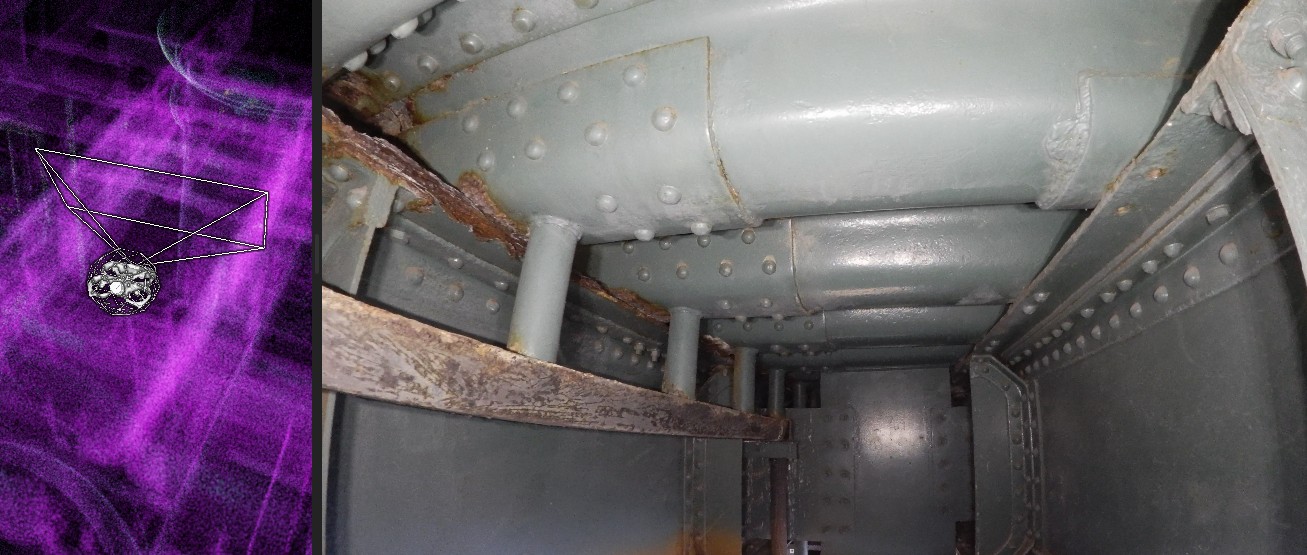
  • High-resolution close-range inspection imagery of structural elements
  • Planned and repeatable flight paths to ensure consistent coverage
  • Confined-space UAS capability for underside and constrained areas
  • Risk mitigation planning aligned to rail and local airspace requirements
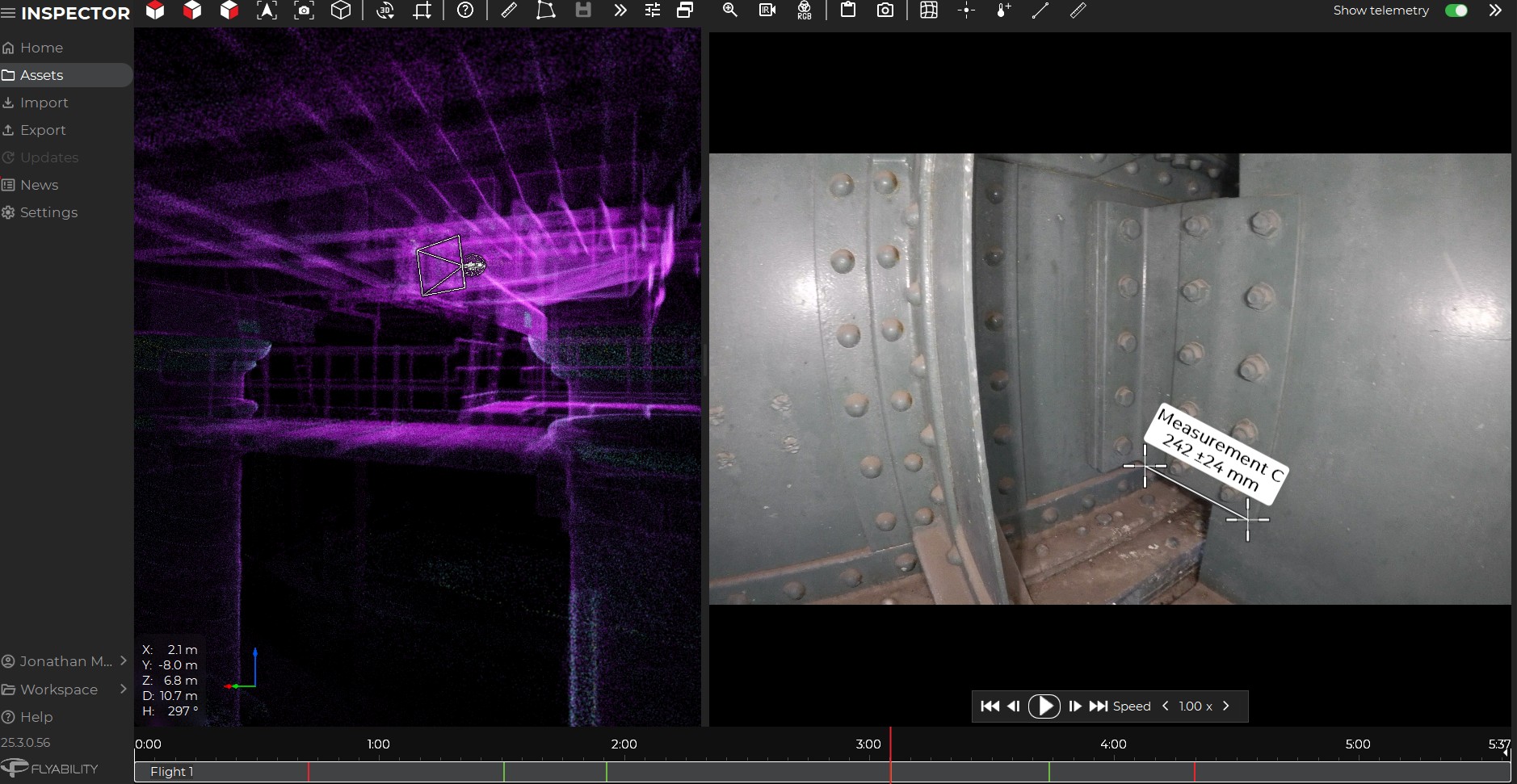
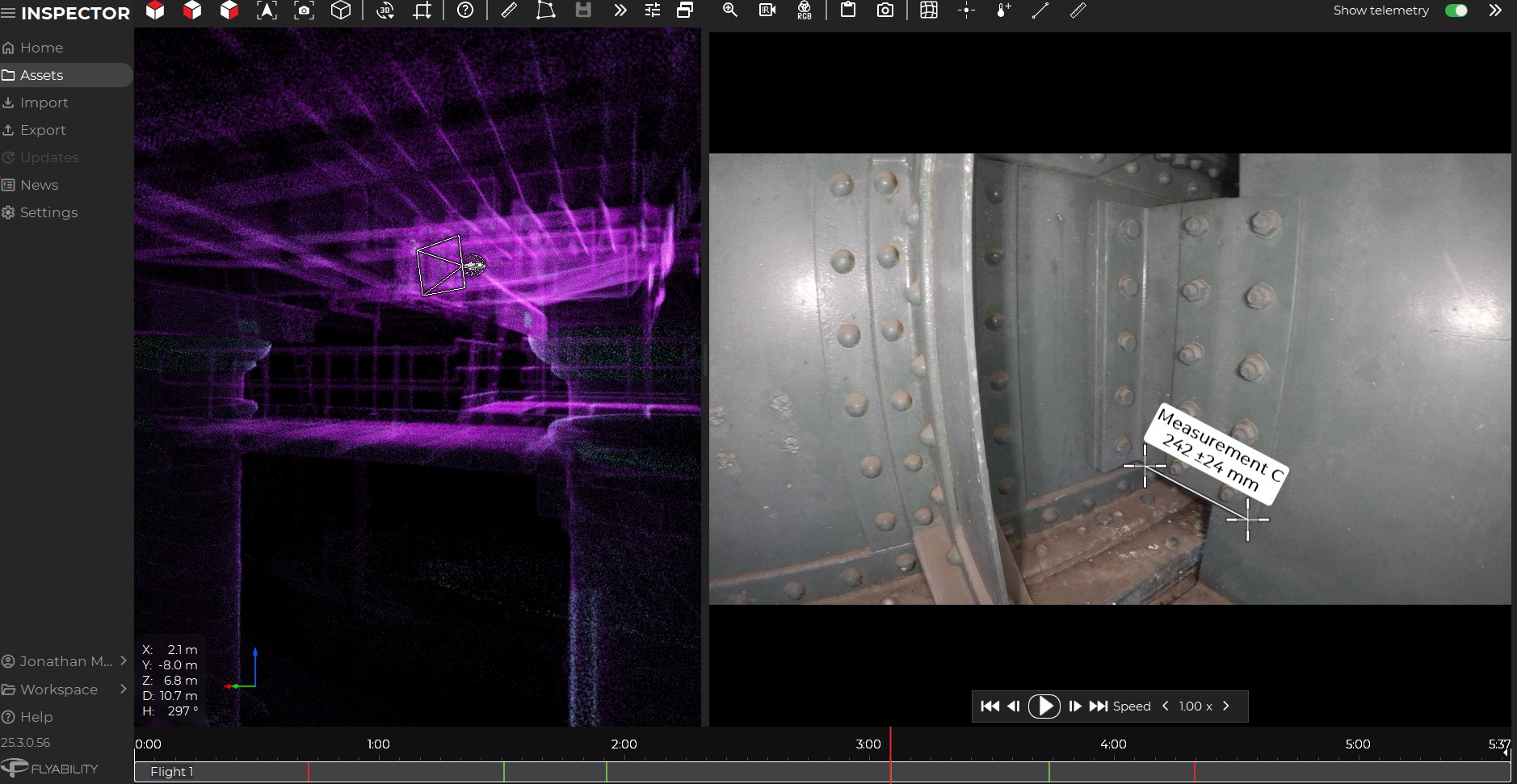
  • Inspection outputs delivered through an interactive digital inspection platform
  • Remote review, measurement and annotation to support engineering assessment

This approach removed the need for repeated site access while providing engineers with a clear, auditable inspection record.

Project benefits.

The remote UAS-led inspection approach delivered clear safety, programme and operational advantages compared to traditional access-led inspection methods.

01

Reduced safety risk

Remote inspection eliminated the need for working at height and significantly reduced exposure to high-risk environments.

02

Minimal disruption

The inspection was delivered without scaffold, road closures or temporary access systems, allowing rail and surrounding activity to continue as normal.

03

Improved inspection insight

Close-range imagery provided enhanced visibility of structural details compared to traditional visual inspections, supporting more informed condition assessment.

04

Faster delivery

Rapid deployment and demobilisation shortened inspection timeframes and reduced programme impact.

05

Future-ready inspection data

Digital inspection outputs created a repeatable baseline, enabling easier comparison and planning for future inspections.

Project
outcome.

This project demonstrates how remote UAS inspection can replace access-heavy inspection methods on complex urban rail structures.

By combining drone-enabled capture with an interactive digital inspection environment, Plowman Craven delivered a safer, more efficient inspection while improving the quality and usability of the data. The outcome supports better-informed asset management decisions and shows how UAS technology can be confidently used as a primary inspection tool in constrained, live environments.

Want to see more of our work?

Know more. Risk less. At every stage.

With 60 years' experience providing clarity for complex, high stakes projects, we'll deliver the insight you need to build better.