Integrated surveying, subsurface mapping and environmental monitoring delivering reliable data for safe construction and long-term management of London’s super sewer.
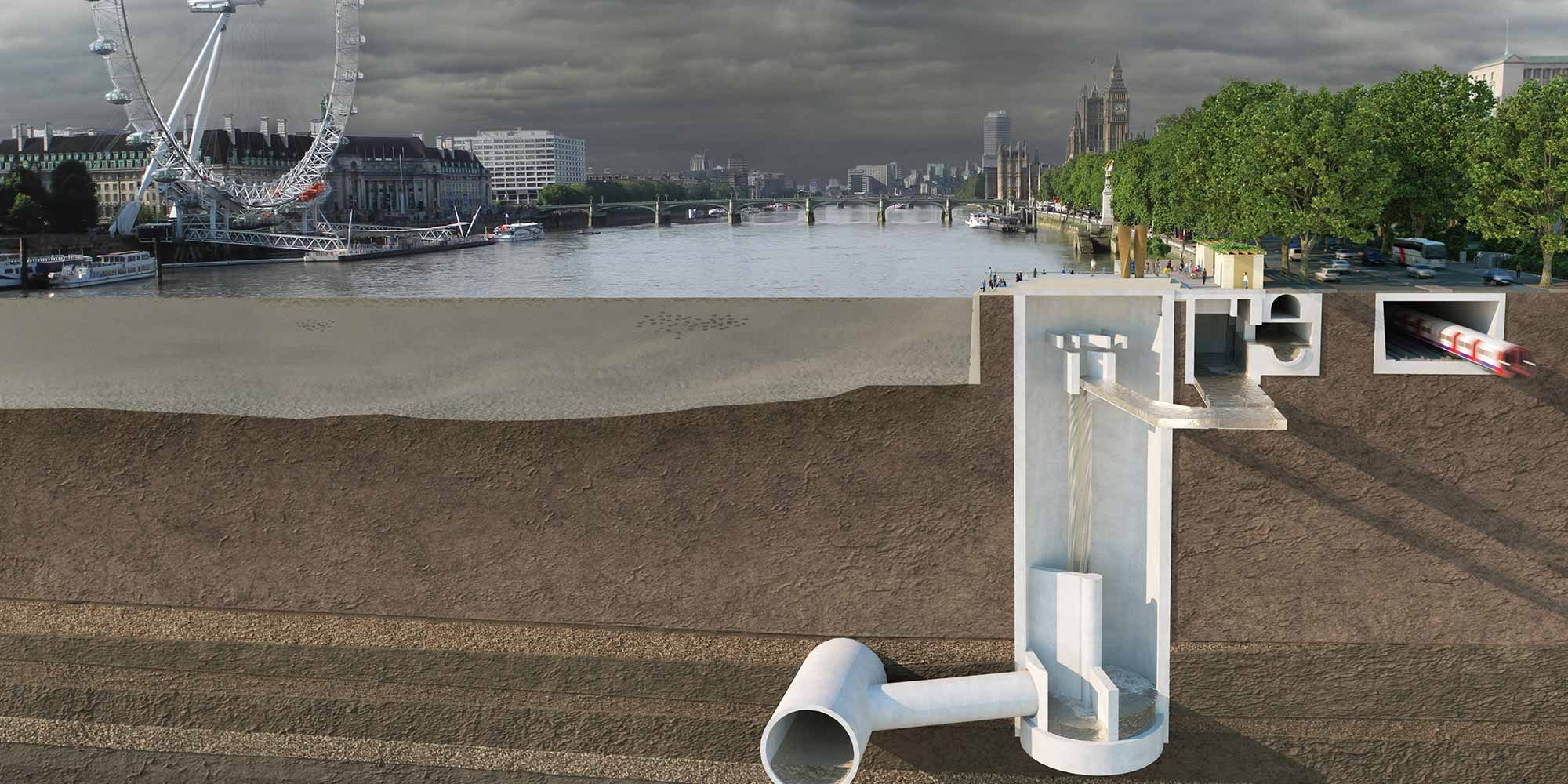
The Thames Tideway Tunnel is a 25 km deep-level sewer constructed beneath the tidal Thames to expand London’s wastewater capacity and prevent pollution entering the river. Plowman Craven supported the project across multiple sites, delivering specialist surveying, mapping, and environmental monitoring services. The team provided critical data to inform design, enable safe construction, and create a reliable digital record for future asset management.
The project involved building new tunnels and shafts up to 65 metres below ground through central London, often in areas with live utilities, restricted access, and sensitive neighbouring structures.
Plowman Craven’s role focused on:
The survey and monitoring work covered multiple locations along the Thames, from west to east London, ensuring the project team had dependable and consistent data throughout construction.
Plowman Craven implemented a coordinated programme of surveying, correlation, and monitoring services to deliver accurate and integrated data across the Tideway project.
Topographical and Utilities Surveys
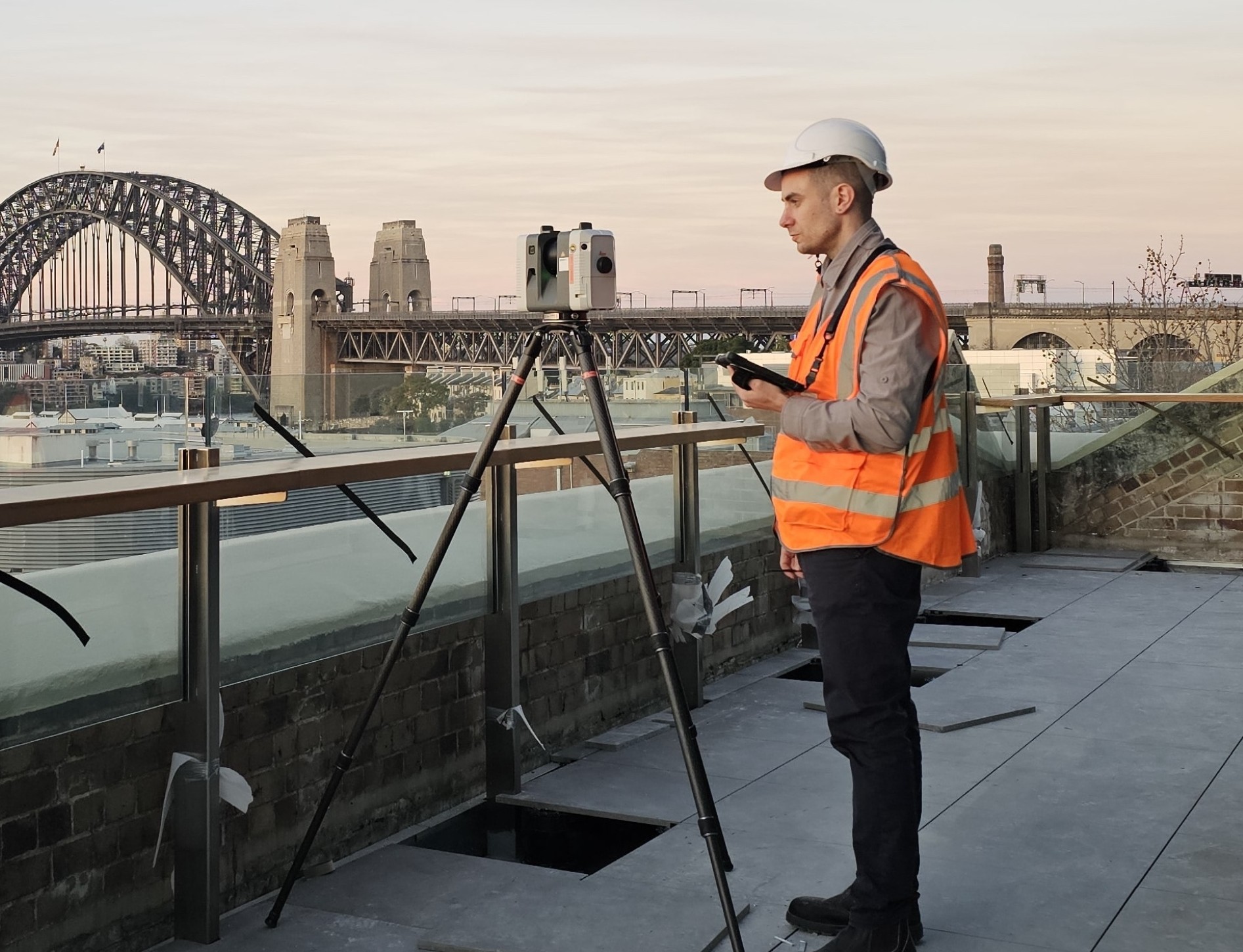
Comprehensive above- and below-ground surveys established a detailed baseline of existing conditions at each site, capturing structures, utilities, and surface features to inform early design and construction planning.
Sewer Correlation and Underground Mapping
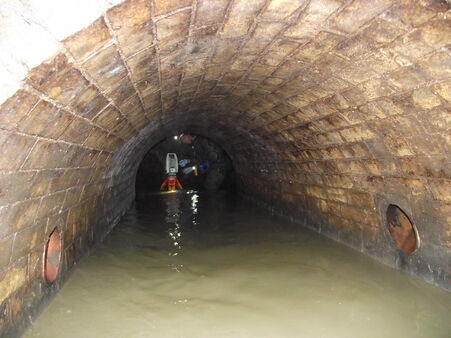
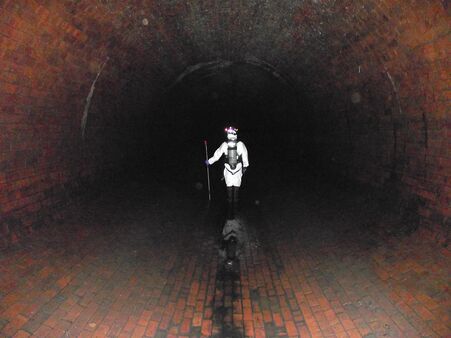
Detailed correlation surveys recorded the line, level, and condition of existing sewers. The team managed the full process, including cleaning operations, access coordination, and liaison with local authorities and Thames Water to ensure data accuracy and compliance.
Tunnel and Asset Verification
Surveys of the Lee Raw Water Tunnel, Thames Water Ring Main, and other underground structures verified alignments and clearances, allowing designers to plan new crossings with confidence and avoid costly clashes.
Environmental Monitoring
Continuous noise and vibration monitoring was carried out using automated sensors and live web dashboards. This ensured potential impacts on nearby residential, commercial, and heritage properties were identified quickly and addressed promptly.
BIM Integration and Data Management
All spatial and environmental data were consolidated into BIM-ready formats. This provided Tideway and its contractors with a unified, structured dataset to support coordination, reporting, and long-term asset management.

The project delivered a reliable foundation of spatial and environmental data that supported safe construction and effective risk management.
Accurate mapping and correlation surveys provided essential data for design and tunnelling decisions.
Continuous environmental monitoring enabled rapid response to changing conditions, helping protect nearby communities and infrastructure.
Digital deliverables integrated directly into Tideway’s project information systems, streamlining coordination between multiple contractors and stakeholders.
The final datasets now form a complete and traceable record of the works, supporting future maintenance and asset management across London’s sewer network.
“by how well the sewer survey programme has been delivered by you all. It has been a real demonstration of teamwork, commitment and planning across many teams and organisations.”
Plowman Craven’s integrated survey and monitoring programme supported the safe and efficient delivery of one of the UK’s most complex engineering projects. By providing accurate, coordinated, and accessible data, the team helped Tideway and its partners manage risk, maintain control during construction, and create a long-term digital foundation for the management of London’s new super sewer.