Rhodes House

Providing a detailed BIM model of Rhodes House to guide sensitive restoration, new design integration, and informed heritage management.

Blending heritage preservation with digital precision.

Rhodes House is a Grade II listed architectural landmark in central Oxford and home to the Rhodes Trust and the world-renowned Rhodes Scholarships. As a historic convening space for scholars and global leaders for nearly a century, the building required sensitive refurbishment alongside a contemporary extension to enhance academic, residential and event facilities.
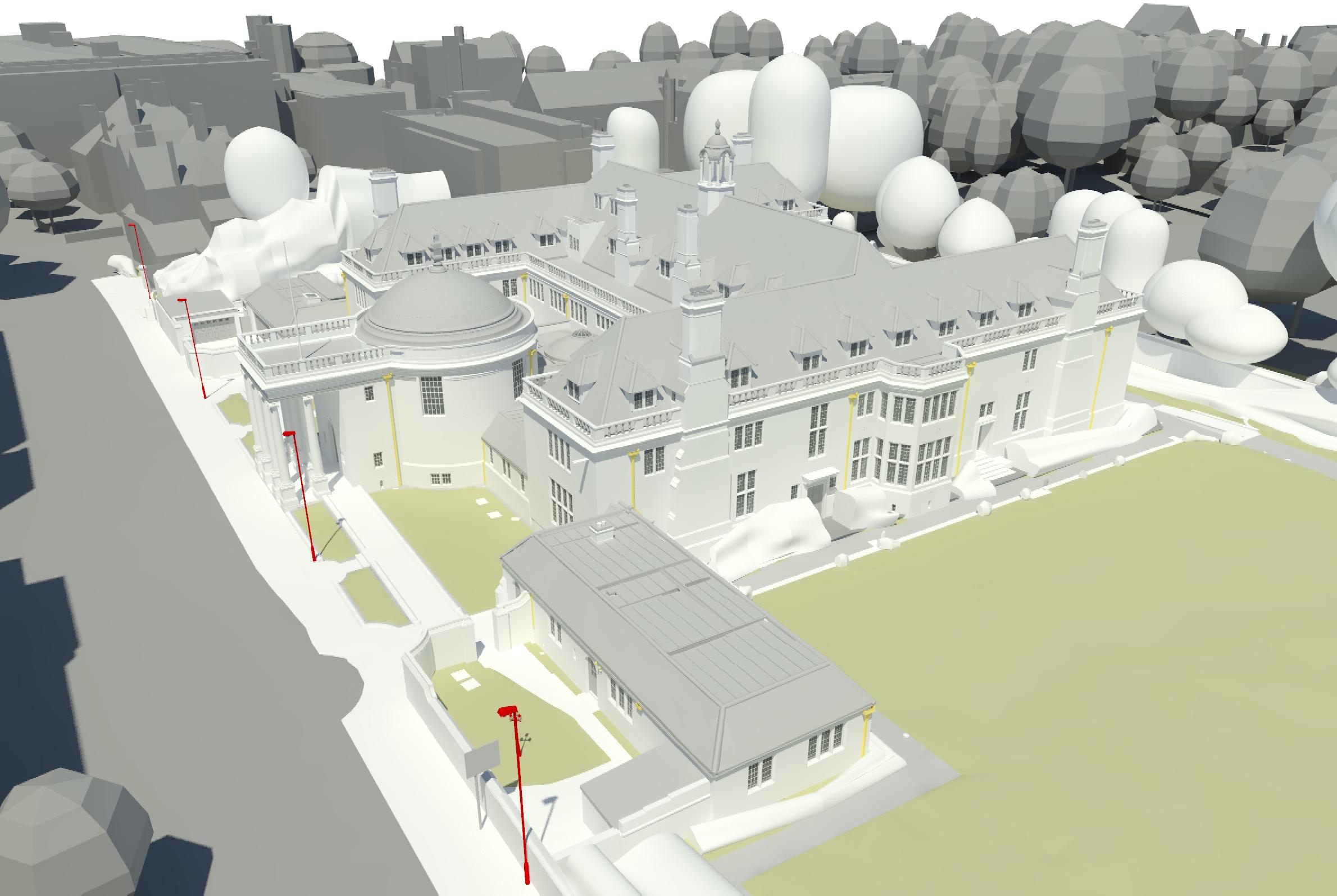
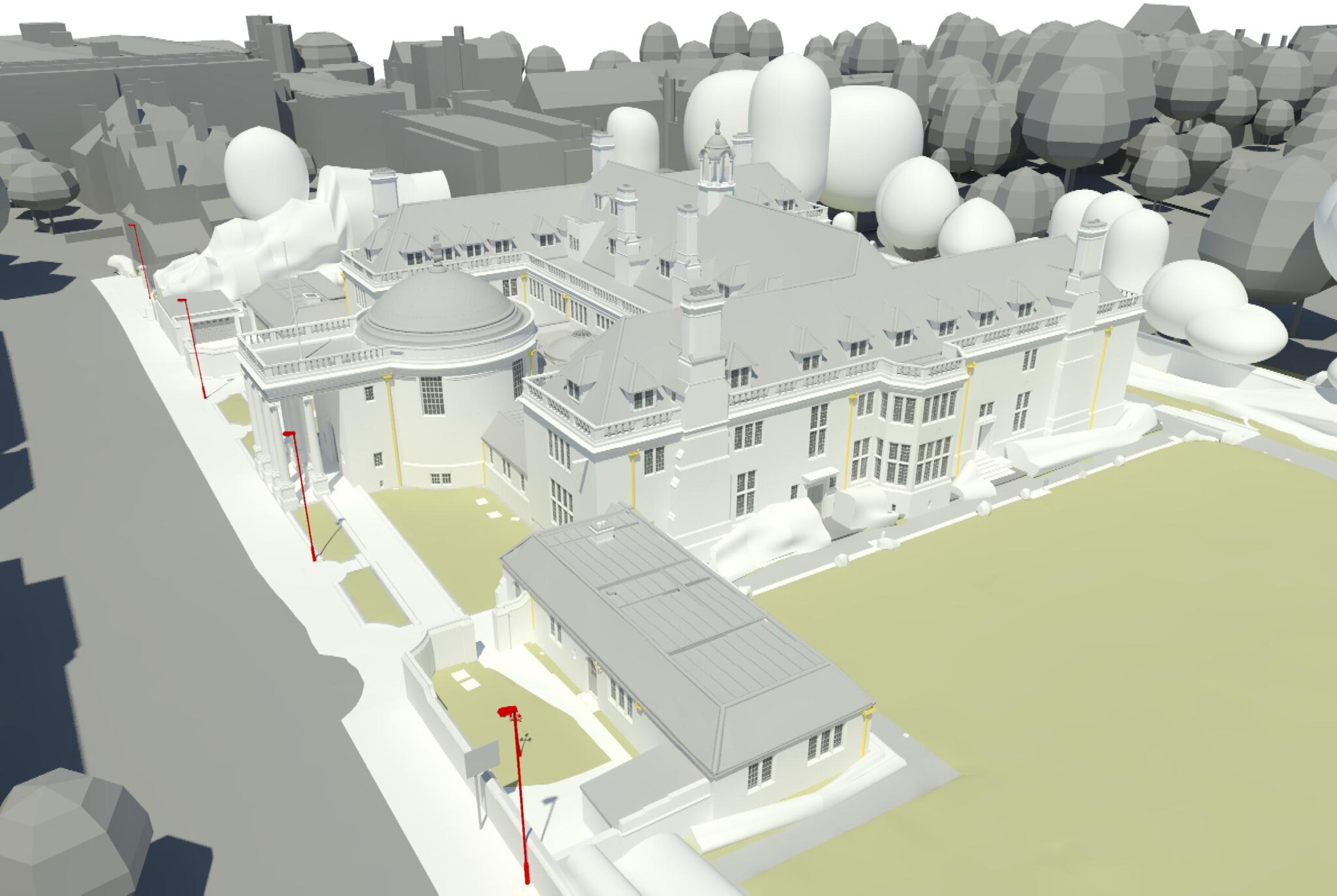
The Rhodes Trust appointed Stanton Williams to lead the redevelopment. Plowman Craven was engaged to deliver a highly accurate LOD4 BIM model of the existing building and surrounding environment, providing a single source of truth for design coordination, planning and visualisation. 

Client challenge.

This heritage project required a detailed and unobtrusive digital survey to inform complex refurbishment and extension works. Key drivers included: 

  • Creating a full digital record of intricate internal and external architectural features 
  • Ensuring minimal disruption to an operational and historically significant site 
  • Capturing contextual site data including: 
  • Roads and access routes 
  • Underground services 
  • Arboricultural features including species, height, girth, water demand and tree protection orders 
  • Supporting design for new basement levels, a feature spiral stone staircase within the rotunda and a contemporary glass Garden Pavilion 

The aim was to provide a unified dataset capable of supporting precise design development, accurate visualisation and long-term heritage protection. 

Our
solution.

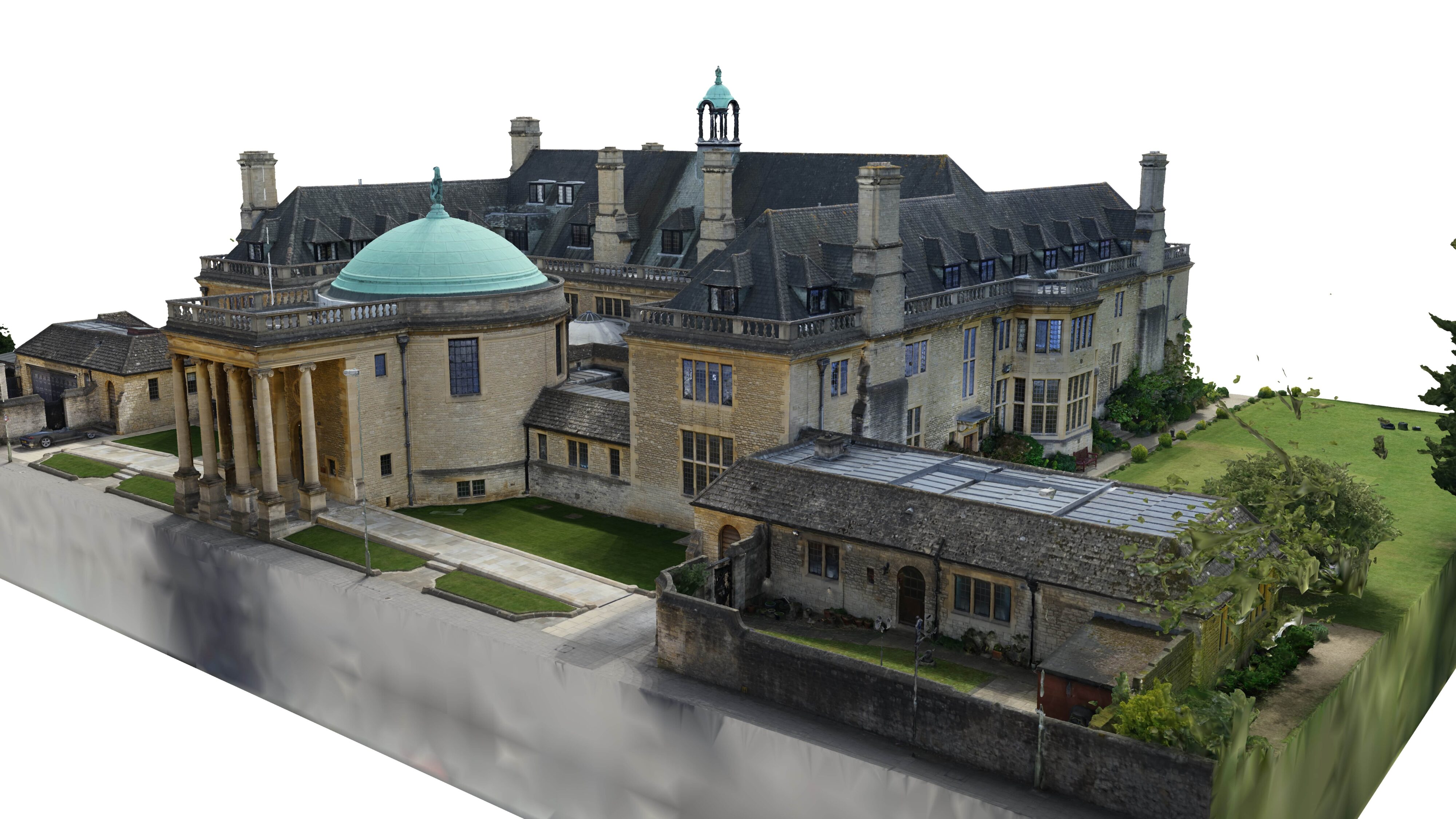
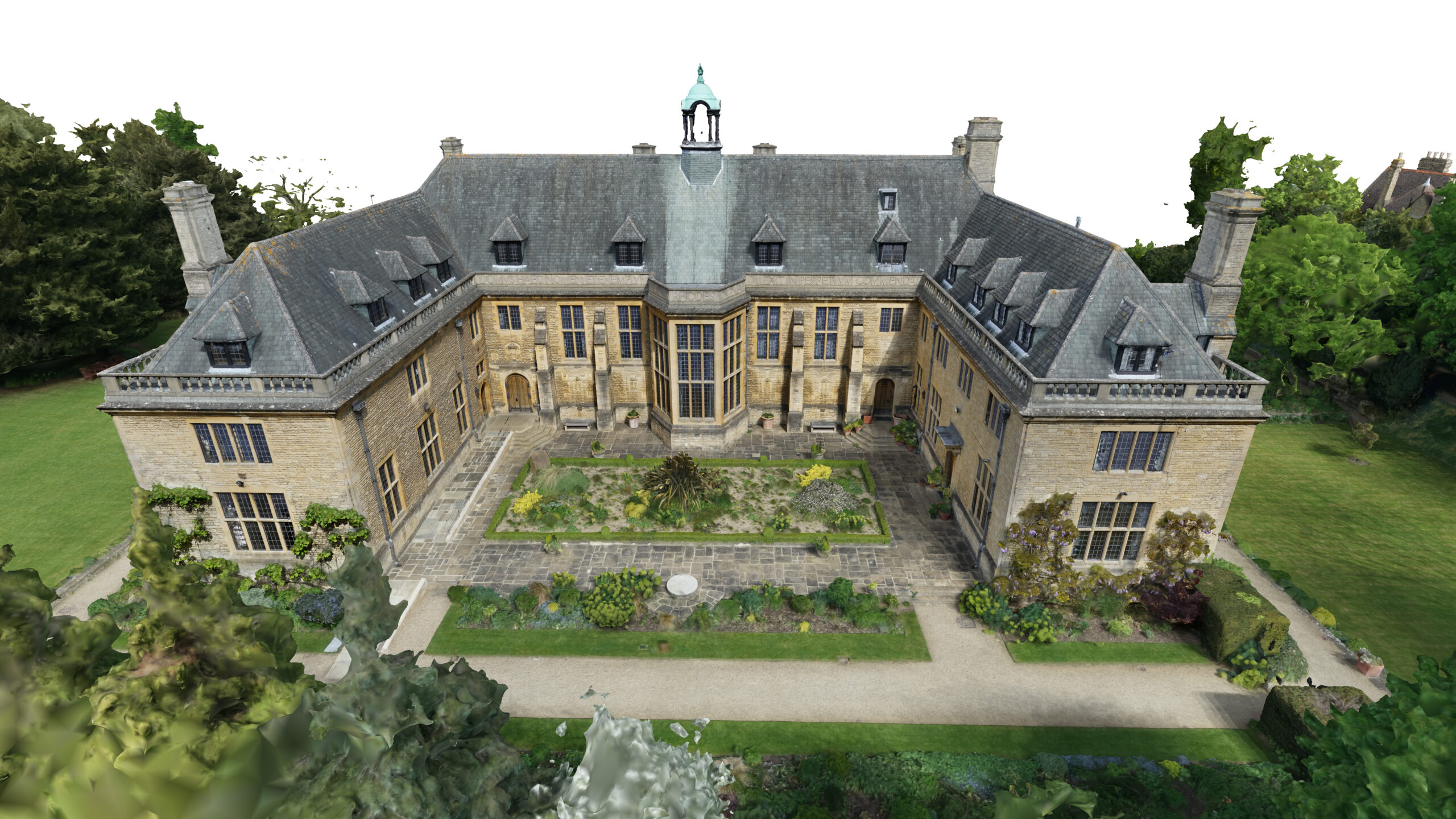
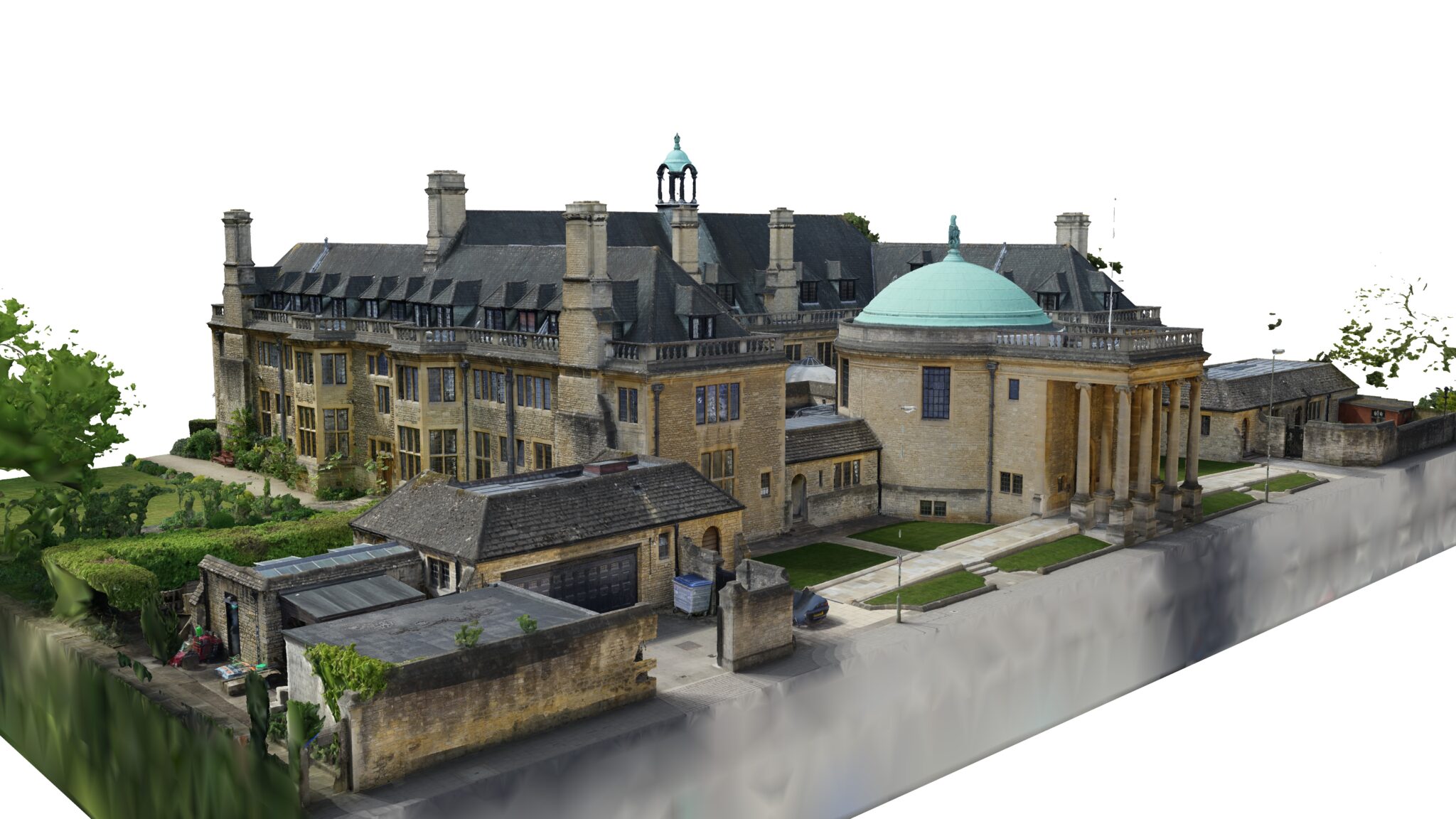
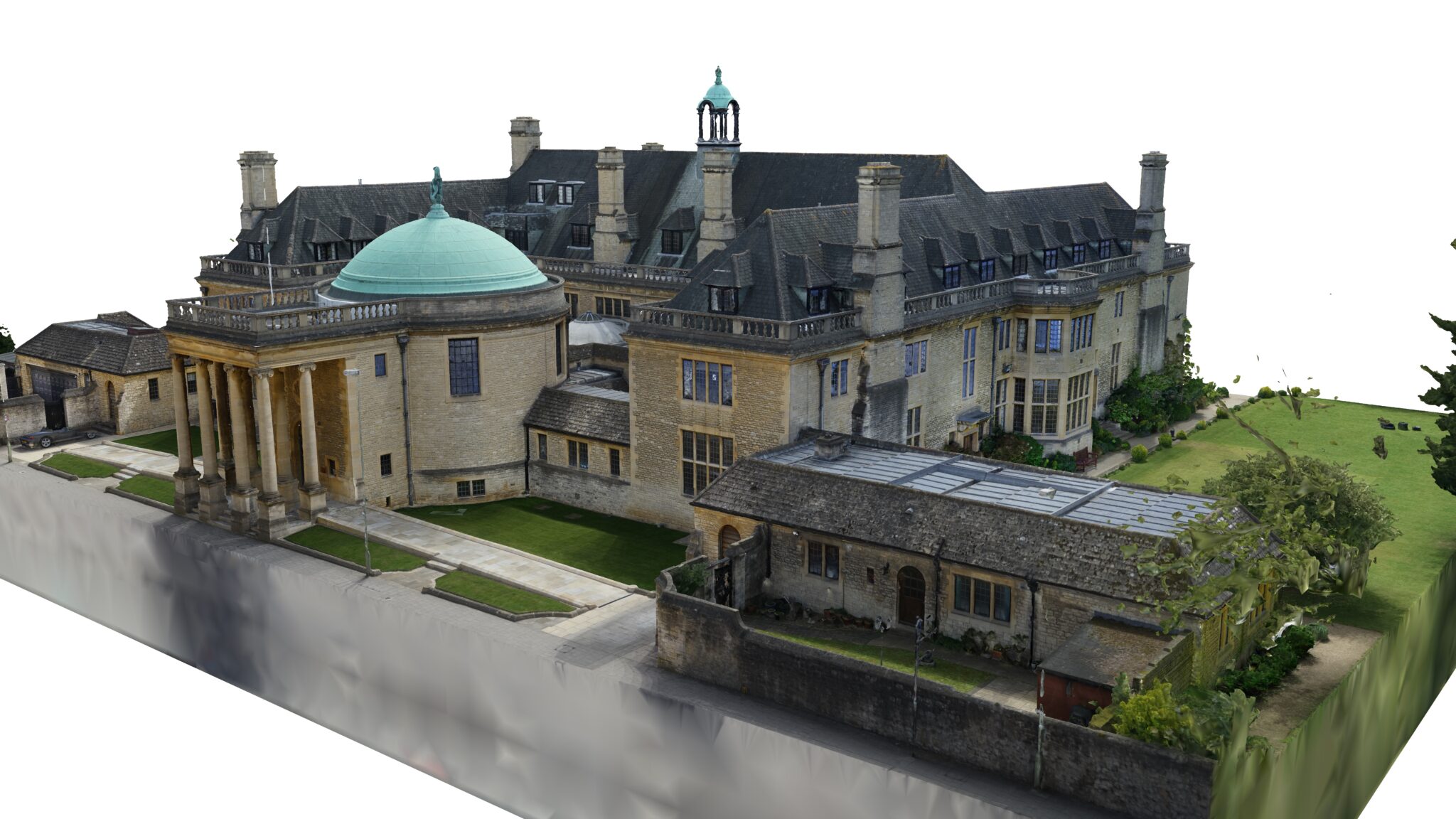
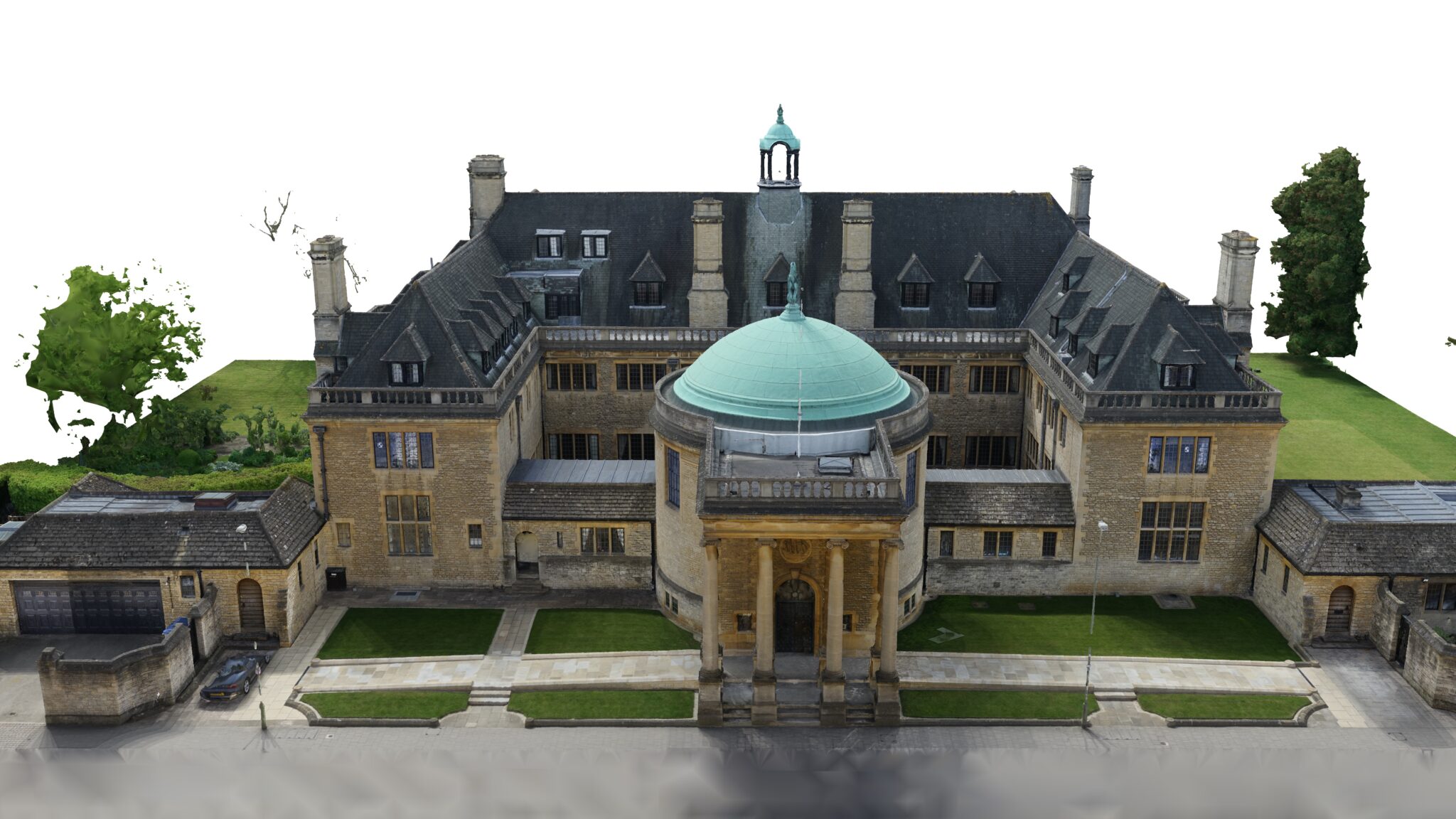
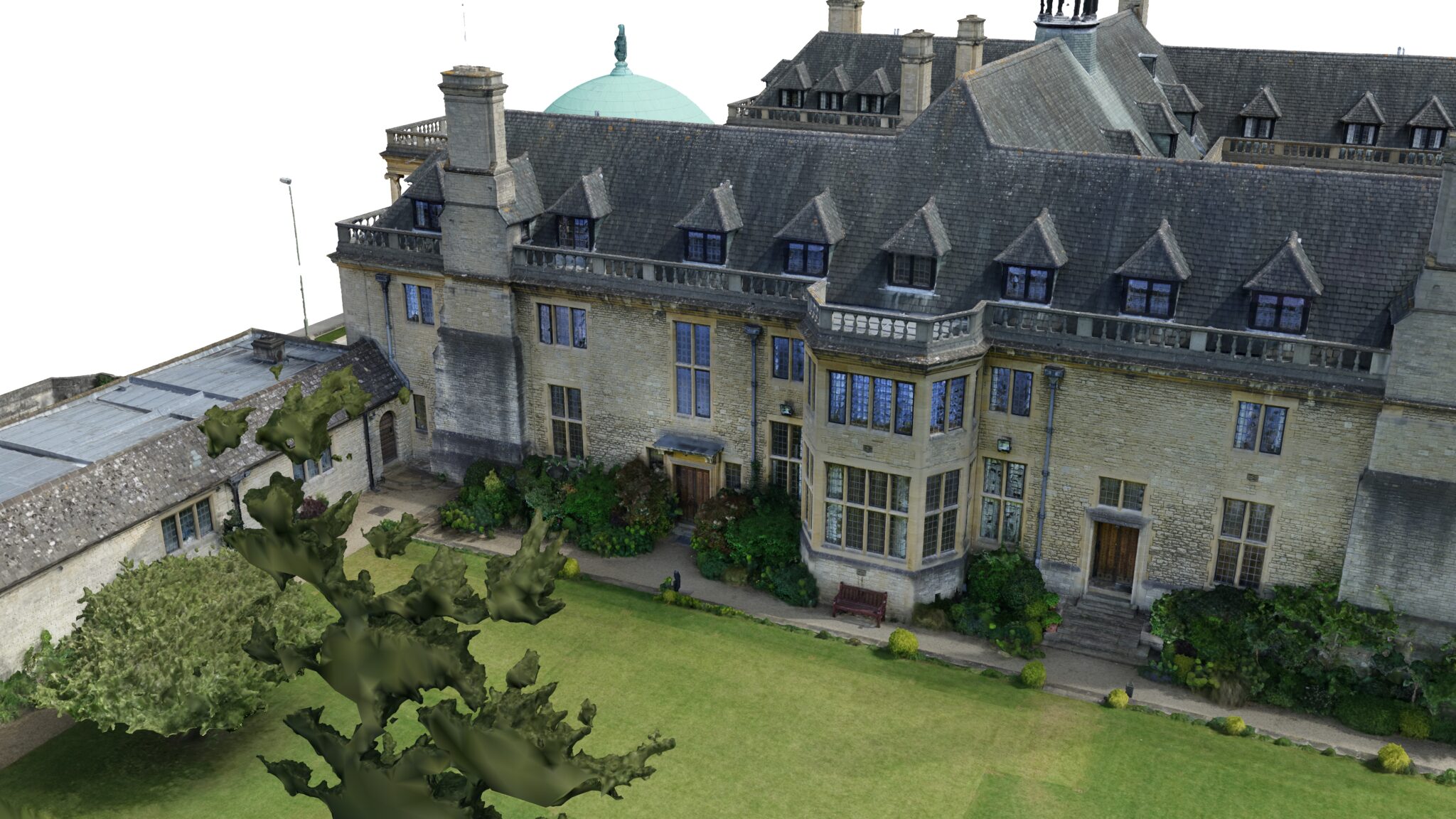
Plowman Craven delivered a coordinated multi-method survey programme, combining terrestrial laser scanning, photogrammetry, UAS capture and utilities mapping to build a highly detailed LOD4 BIM model. 

Workstreams included: 

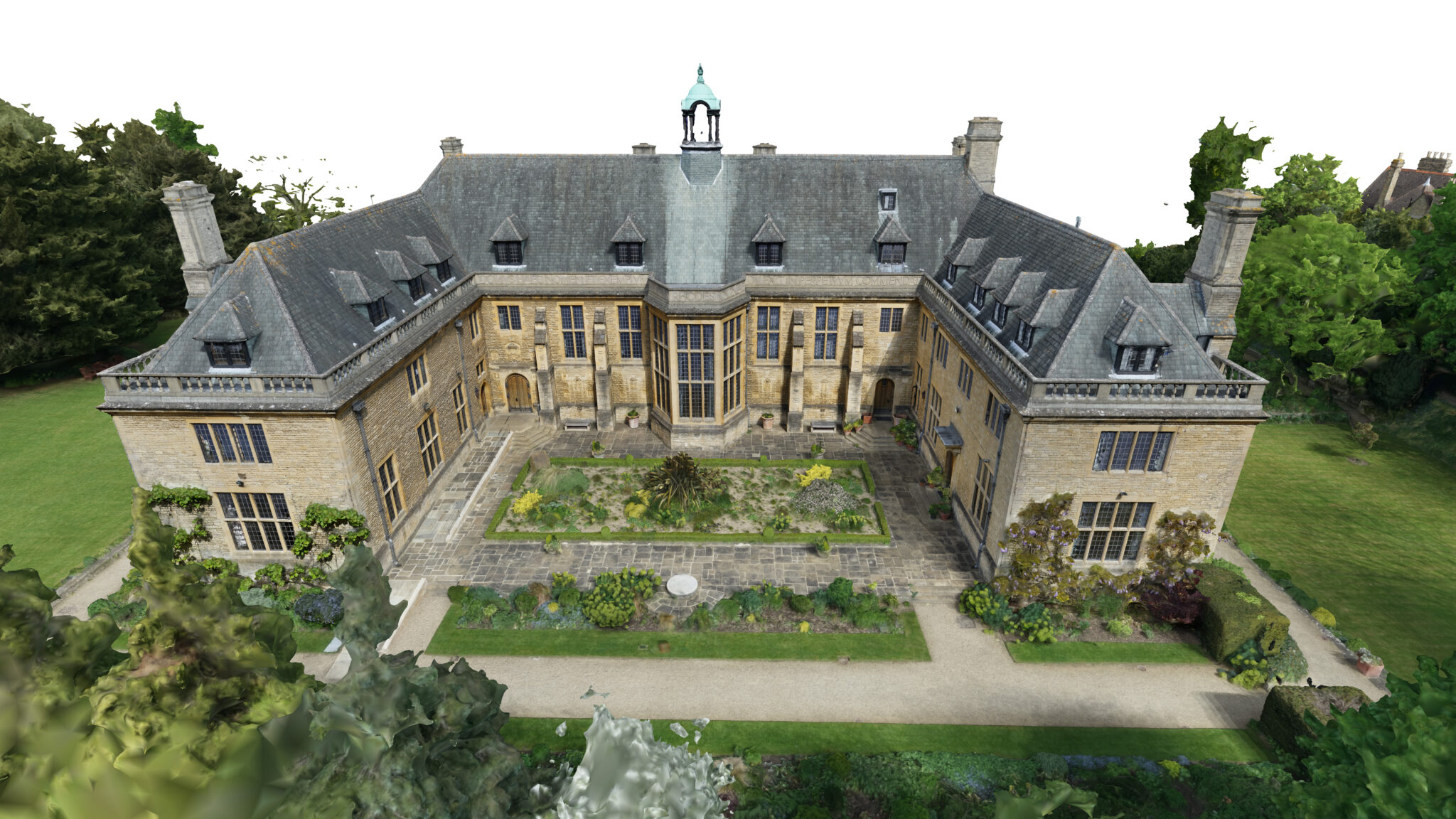
  • Generation of a comprehensive point cloud capturing all architectural elements, both internal and external 
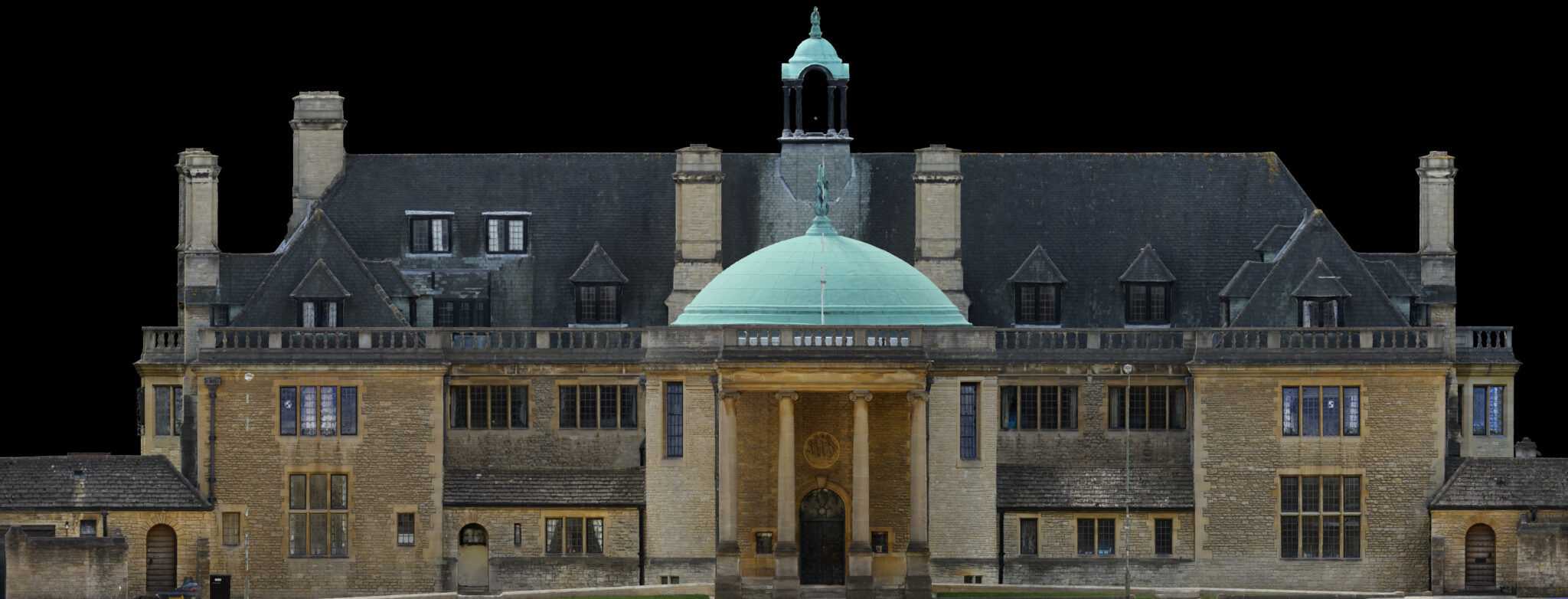
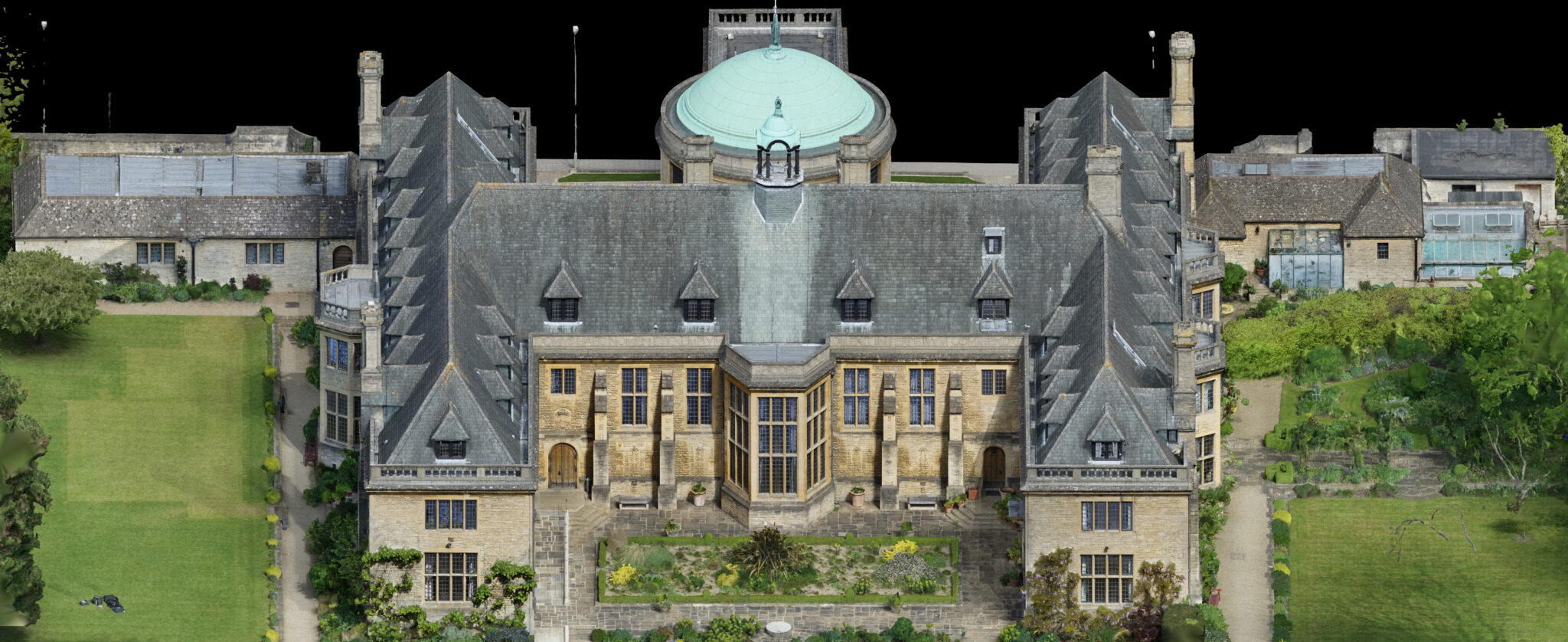
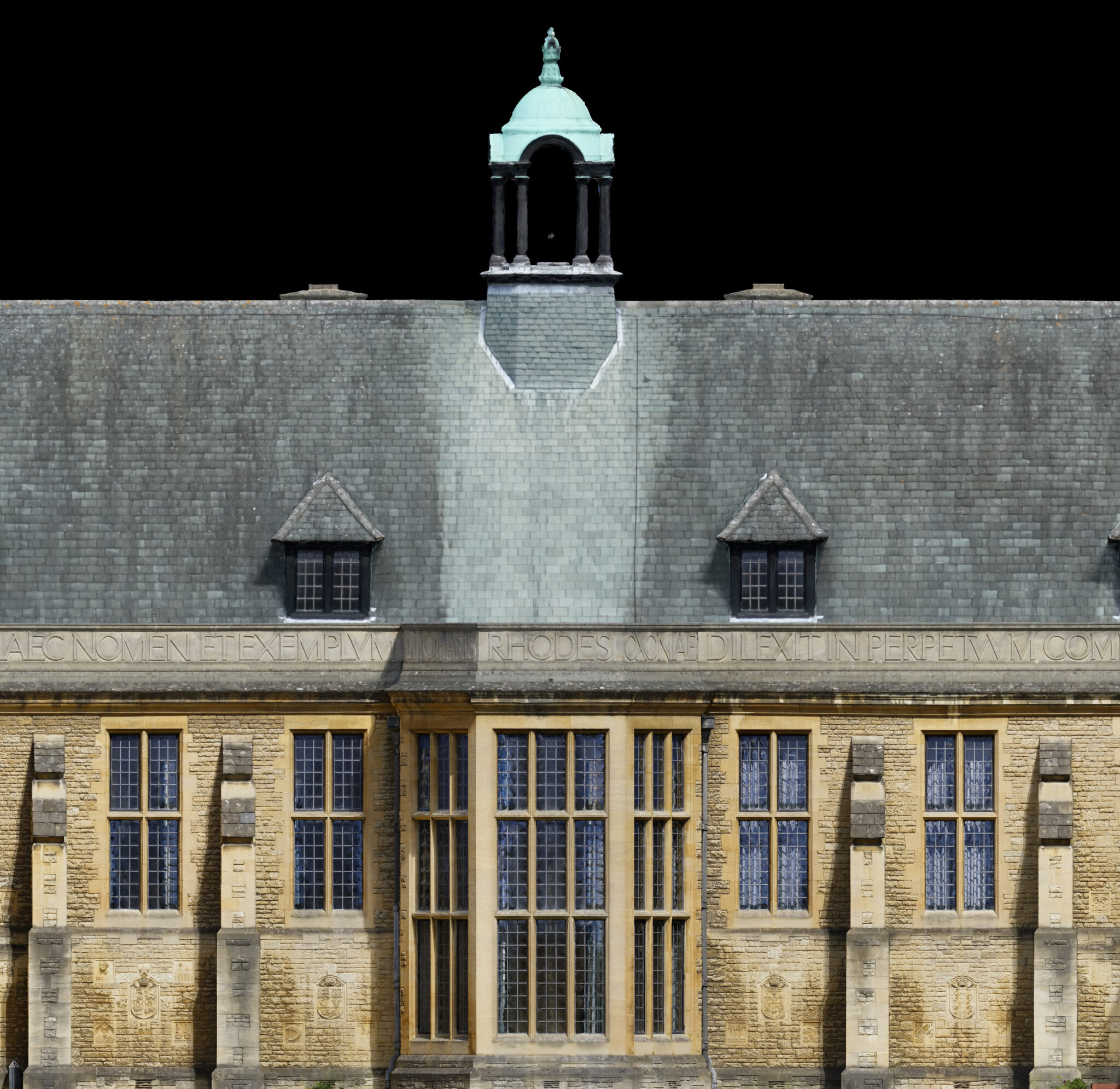
  • Early delivery of orthophotos, enabling the design team to review and measure remotely 
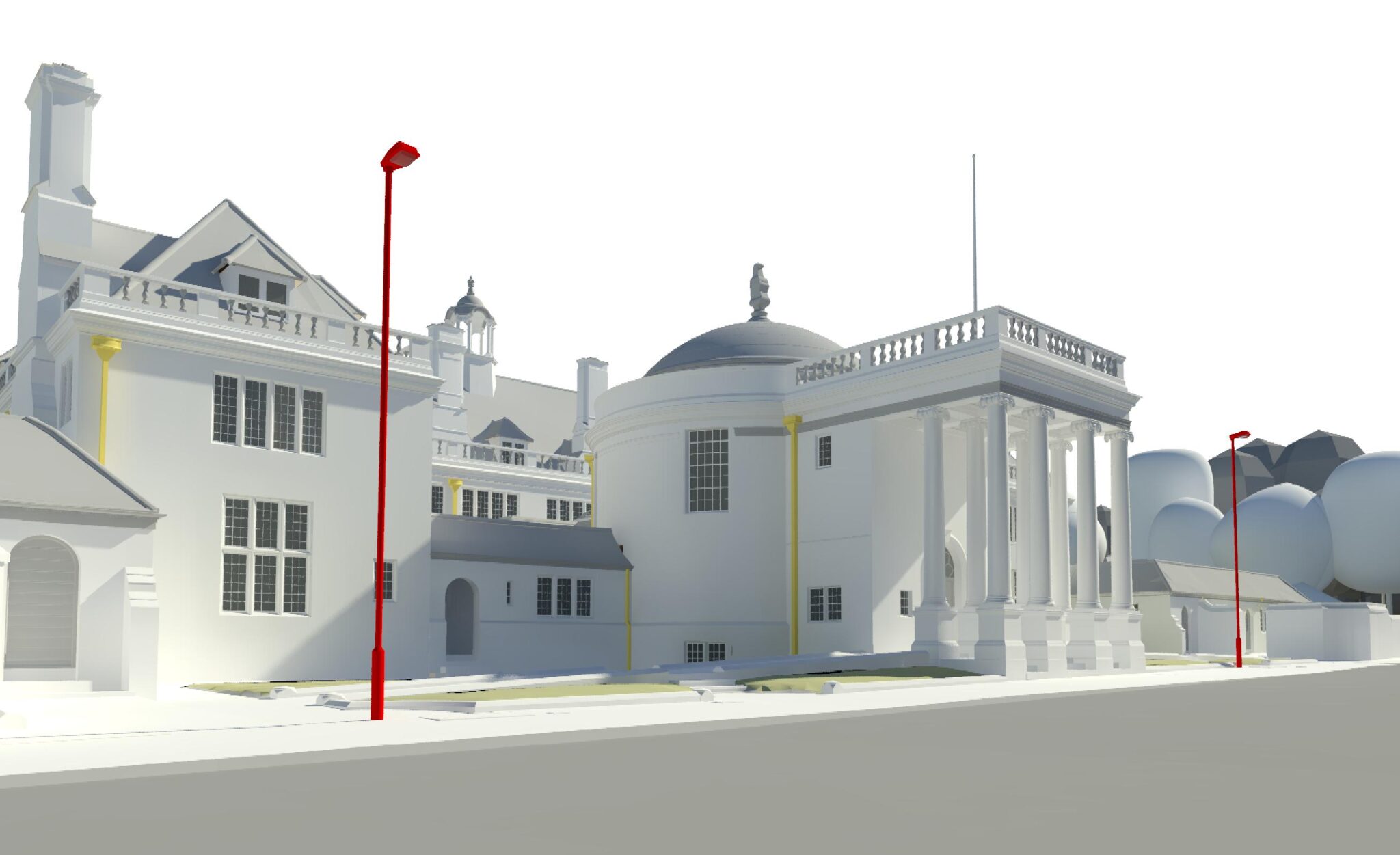
  • Scan-to-BIM modelling of the full building fabric, including complex heritage details, rotunda staircase geometry and basement zones 
  • Topographical survey of surrounding roads and landscape 
  • Detailed arboricultural survey and integration of environmental data 
  • Underground utilities tracing to support excavation planning and risk management 

All survey outputs were federated into a single Revit model, providing an accurate spatial and contextual digital platform for design, planning and stakeholder engagement. 

Project benefits.

This project produced a high-definition digital dataset that enabled heritage-sensitive design development with confidence. 

01

Comprehensive Heritage Model

The LOD4 BIM model captured architectural detail at the required level for conservation-grade planning and intervention.

02

Remote Access and Collaboration

Orthophotos and the federated model allowed architects and consultants to progress design work remotely, particularly valuable during COVID-19 restrictions. 

03

Integrated Environmental Intelligence

Tree data, roads, utilities and contextual features were incorporated into the model, enabling holistic planning and impact assessment.

04

Efficient and Accurate Delivery

Advanced capture technologies minimised disruption to the historic site while delivering precise, reliable information for refurbishment and construction.

“...access to such comprehensive information has been invaluable”

“Having access to a full three-dimensional model of the building has been incredibly useful, enabling us to cut sections and plans through any part of the existing building. When we were prevented from visiting the site, the ability to walk around a virtual model of the existing building and to have access to such comprehensive information has been invaluable to the design team.”

Craig Harrison Smith

BIM Manager, Stanton Williams

Project outcome.

The model underpins the £37m redevelopment programme, supporting the sensitive revitalisation of Rhodes House and the creation of new basements, refined internal layouts, a sculptural stone staircase and a new Garden Pavilion. 

Plowman Craven’s integrated survey and BIM delivery provided the design team with a robust single source of truth, enabling confident decision-making, accurate coordination and strong stewardship of a culturally significant landmark. 

Want to see more of our work?

Know more. Risk less. At every stage.

With 60 years' experience providing clarity for complex, high stakes projects, we'll deliver the insight you need to build better.